Eyebright
NameEyebright
Scientific NameEuphrasia officinalis
Common NamesEyebright, Euphrasia
Plant FamilyOrobanchaceae
Natural HabitatIt thrives in meadows, pastures, heaths, and grassy areas, particularly on calcareous or acidic soils, often found in temperate regions of Europe, Asia, and North America.
Parts Usedwhole_plant
Medicinal Actionsanti-inflammatory, antimicrobial, antioxidant, astringent
Traditional UsesTraditionally, Eyebright is renowned for its use in treating various eye conditions such as conjunctivitis, blepharitis, styes, and eye strain, often applied as an eyewash. It has also been used internally for respiratory issues like colds, coughs, and hay fever due to its anti-inflammatory and astringent properties.
Active ConstituentsIridoid glycosides (e.g., aucubin), tannins, flavonoids, phenolic acids
Preparation Methodsinfusion, tincture, poultice
Contraindications & WarningsInternal use should be approached with caution, especially during pregnancy and breastfeeding. Potential interactions with blood-thinning medications or medications for diabetes have been noted. External use should be done with sterile preparations to avoid eye irritation or infection.
Cultivation NotesCultivating Eyebright can be challenging due to its semi-parasitic nature, requiring a suitable host plant (often grasses) to thrive. It prefers well-drained soil, full sun to partial shade, and can be propagated by seed.
Raritycommon
Description
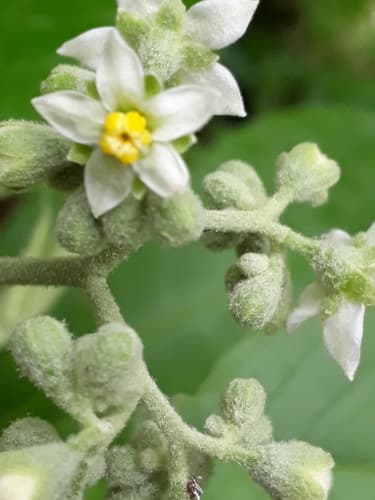
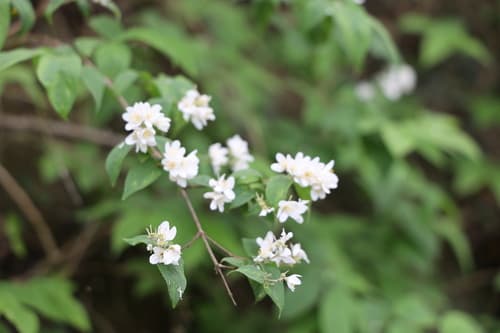
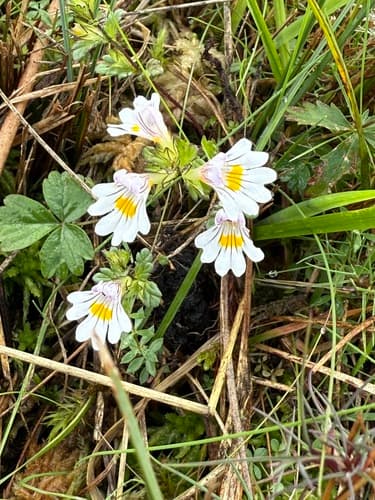
Eyebright (Euphrasia spp.) is a small, semi-parasitic annual herb characterized by its delicate white or pale purple flowers, often adorned with distinctive yellow markings and fine dark veins. Its small, ovate leaves are toothed along the margins, and the plant typically grows low to the ground.