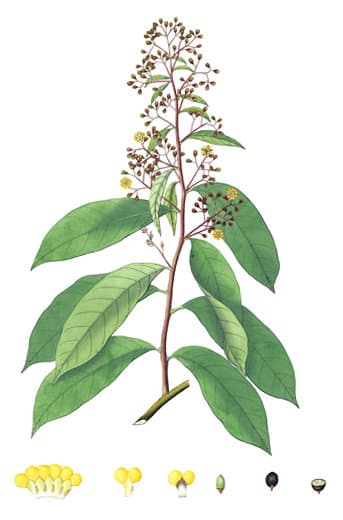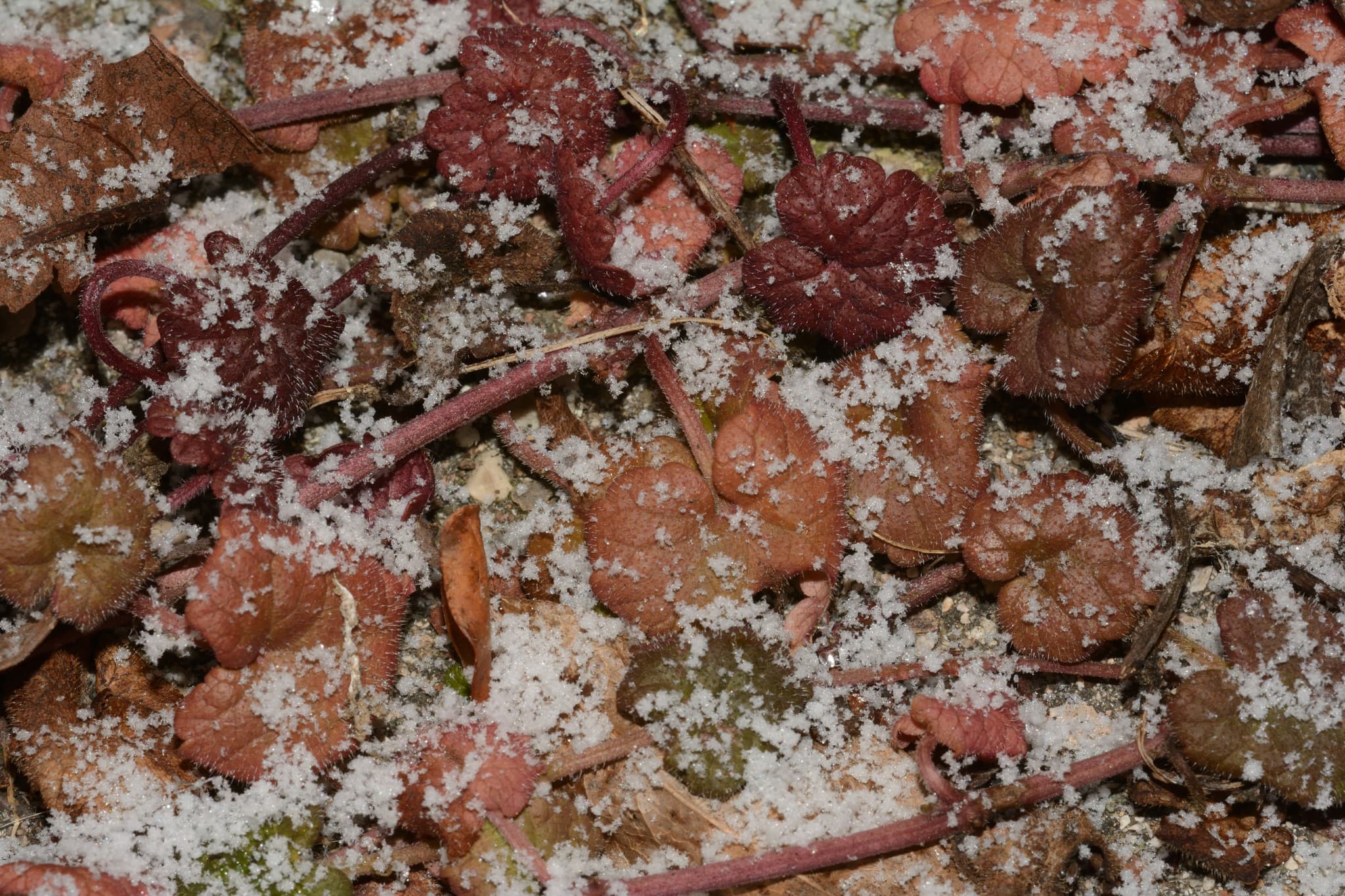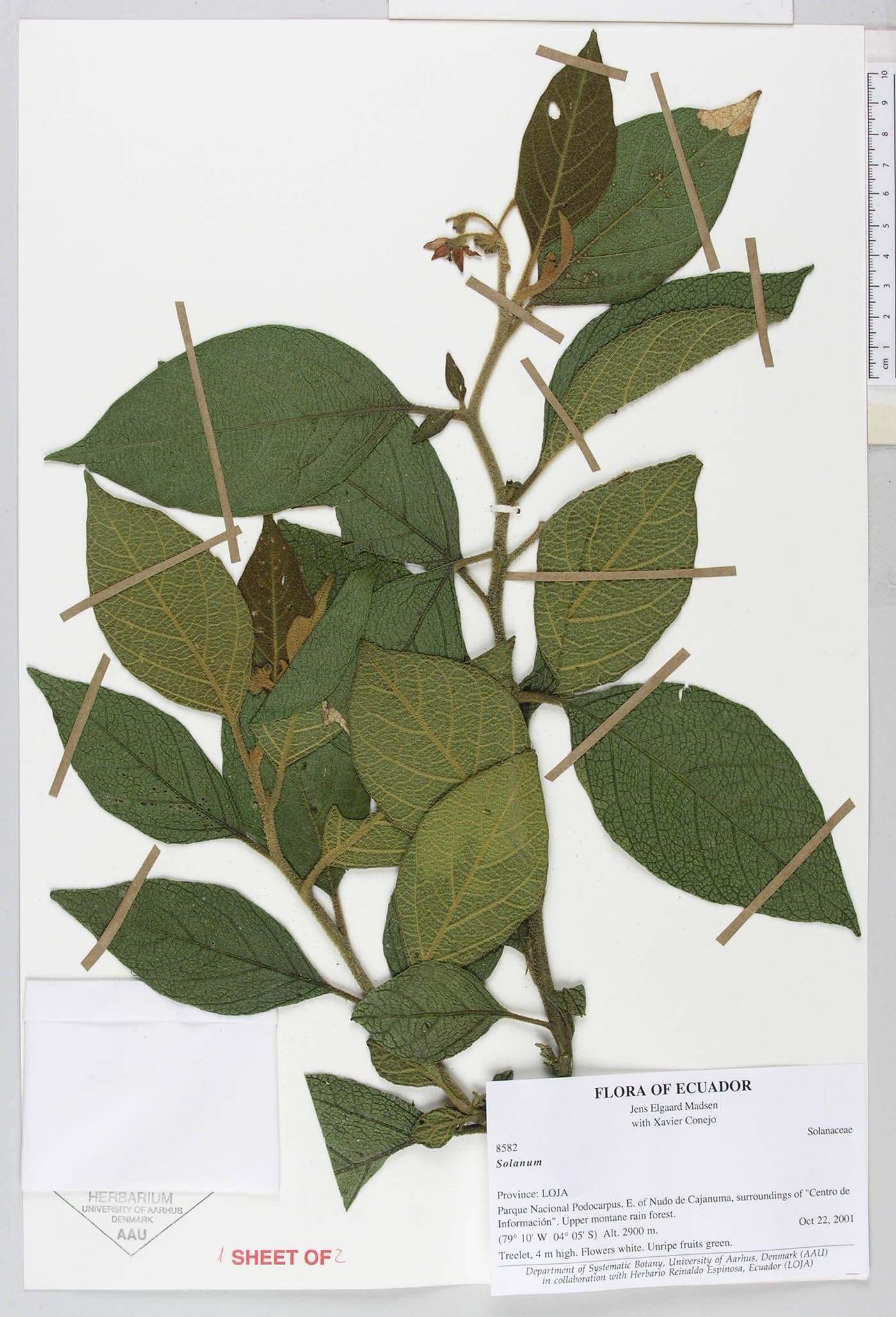
Bicolor Nightshade
NameBicolor Nightshade
Scientific NameSolanum bicolor
Common NamesBicolor Nightshade
Plant FamilySolanaceae
Natural HabitatNative to South America, particularly Brazil, it is often found in disturbed areas, roadsides, and open fields in tropical and subtropical regions.
Parts Usedleaf,flower
Medicinal Actionsanti-inflammatory, analgesic
Traditional UsesWhile specific traditional medicinal uses for Solanum bicolor are not widely documented for internal consumption due to its potential toxicity, some species within the Solanum genus have been traditionally used externally for their anti-inflammatory and analgesic properties, such as in poultices for skin conditions or pain relief. Caution is advised due to the presence of toxic alkaloids.
Active Constituentssteroidal glycoalkaloids, solanine, solamargine
Preparation Methodspoultice
Contraindications & WarningsAll parts of Solanum bicolor are considered potentially toxic due to the presence of steroidal glycoalkaloids. Ingestion can cause gastrointestinal upset, neurological symptoms, and other adverse effects. It should not be used internally. Avoid use during pregnancy, lactation, and in children. Consult a qualified healthcare professional before any external use.
Cultivation NotesSolanum bicolor is a relatively hardy plant that prefers full sun to partial shade and well-drained soil. It can be propagated by seed and is generally considered a weed in some agricultural settings due to its vigorous growth.
Raritycommon
Description
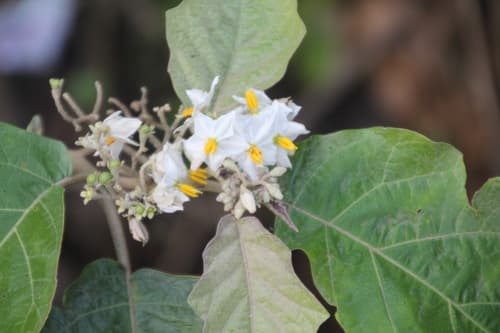
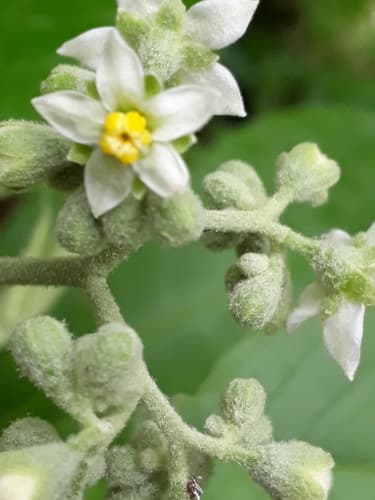
Solanum bicolor is a herbaceous plant characterized by its fuzzy, hairy stems and leaves. It produces small, star-shaped white flowers with five petals and prominent yellow anthers in the center, typically arranged in clusters.