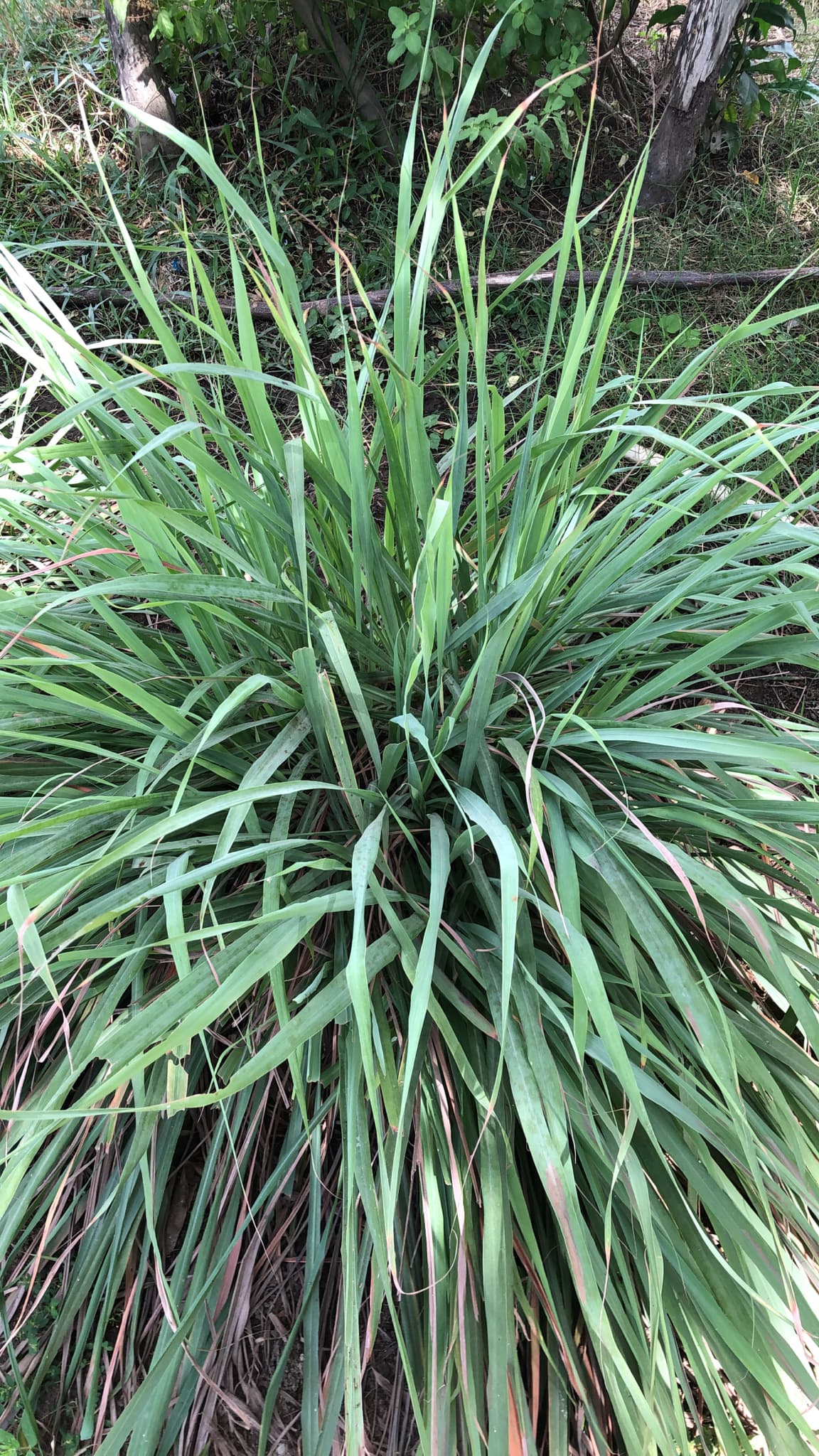
Lemongrass
Image: yolenis castro (cc-by-nc)
NameLemongrass
Scientific NameCymbopogon citratus
Common NamesLemongrass, West Indian Lemongrass, Fever Grass
Plant FamilyPoaceae
Natural HabitatNative to tropical and subtropical regions of Asia, particularly India and Sri Lanka. It thrives in warm climates with full sun and well-drained soil.
Parts Usedleaf,whole_plant
Medicinal Actionsanti-inflammatory, antimicrobial, antioxidant, carminative, diuretic, sedative
Traditional UsesTraditionally used to treat fever, digestive issues like bloating and indigestion, headaches, and muscle pain. It is also employed as a mild sedative for anxiety and insomnia, and as an insect repellent, often consumed as a tea or used in culinary preparations.
Active ConstituentsCitral, Geraniol, Myrcene, Limonene, Citronellol
Preparation Methodsinfusion, decoction, essential oil, powder
Contraindications & WarningsGenerally safe for culinary use. Essential oil should be diluted and used with caution, especially by pregnant women or those with sensitive skin. Large doses may cause stomach upset and it may interact with certain medications, such as blood thinners.
Cultivation NotesPrefers full sun and moist, well-drained soil. Can be grown from stalks purchased at a grocery store. Requires warm temperatures and is often grown as an annual or brought indoors in colder climates.
Raritycommon
Description
A perennial grass forming dense clumps, growing up to 1.5 meters tall. It features long, slender, blade-like leaves with a distinct lemon scent when crushed, originating from a bulbous base.