Cuscuta vandevenderi
NameCuscuta vandevenderi
Scientific NameCuscuta vandevenderi
Common NamesDodder, Vandevender's Dodder, Love Vine
Plant FamilyConvolvulaceae
Natural HabitatThis species is parasitic on various herbaceous and woody host plants, often found in disturbed areas, fields, and along roadsides in arid and semi-arid regions, particularly in the southwestern United States and Mexico.
Parts Usedwhole_plant,seed
Medicinal Actionsadaptogen, antioxidant, diuretic
Traditional UsesWhile specific traditional uses for Cuscuta vandevenderi are not widely documented, other Cuscuta species, particularly Cuscuta chinensis (Tu Si Zi), are used in Traditional Chinese Medicine. These are traditionally employed to tonify kidney yang, benefit essence and marrow, and improve vision, addressing conditions like impotence, premature ejaculation, frequent urination, and blurred vision.
Active Constituentsflavonoids, lignans, polysaccharides, saponins
Preparation Methodsinfusion, decoction, powder
Contraindications & WarningsDodder species are generally contraindicated in cases of yin deficiency with heat signs or excessive urination due to damp-heat. Caution is advised for individuals on blood-thinning medications due to potential interactions. Pregnant or breastfeeding women should consult a healthcare professional.
Cultivation NotesCuscuta vandevenderi is a parasitic plant that cannot be cultivated independently. It requires a suitable host plant to germinate and grow, making its intentional cultivation challenging and generally undesirable as it is often considered a weed.
Rarityuncommon
Description
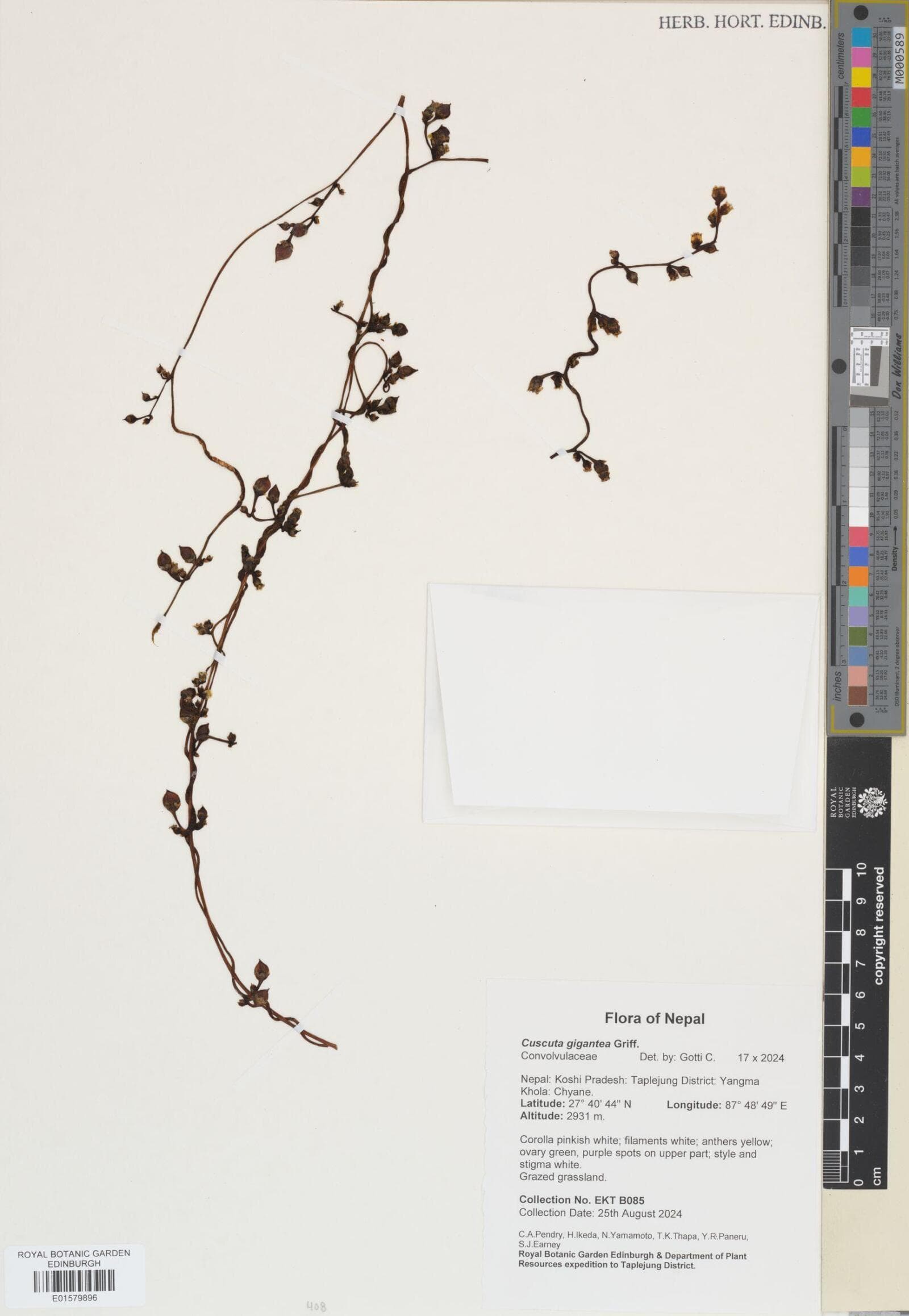
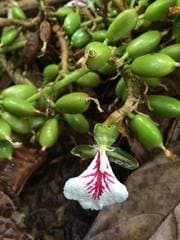
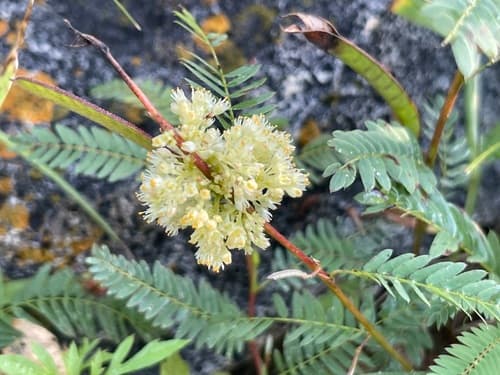
Cuscuta vandevenderi is a parasitic annual vine, characterized by its thread-like, leafless, yellowish-orange stems that twine around host plants. It lacks chlorophyll and roots, obtaining all nutrients by penetrating host tissues with haustoria. Its small, whitish to pale yellow flowers are typically clustered along the stems.