Cardamom
NameCardamom
Scientific NameElettaria cardamomum
Common NamesGreen Cardamom, True Cardamom, Cardamom
Plant FamilyZingiberaceae
Natural HabitatNative to the moist, evergreen forests of southern India, Sri Lanka, and Southeast Asia, thriving in tropical and subtropical climates with high rainfall and humidity.
Parts Usedseed,fruit
Medicinal Actionsanti-inflammatory, antimicrobial, antioxidant, carminative, diuretic
Traditional UsesTraditionally used to aid digestion, relieve flatulence, bloating, and nausea. It is also employed for its warming properties, to freshen breath, and in some traditional systems for respiratory complaints like coughs and asthma.
Active Constituentscineole, alpha-terpineol, limonene, sabinene, terpinyl acetate
Preparation Methodsinfusion, decoction, powder, essential oil
Contraindications & WarningsGenerally safe in culinary amounts. High doses may interact with certain medications (e.g., blood thinners, liver medications) or exacerbate gallstone conditions. Pregnant and breastfeeding women should use with caution.
Cultivation NotesPrefers partial shade, rich, well-drained soil, and high humidity. Requires consistent moisture and warm temperatures (20-30°C). Can be propagated from seeds or rhizome division.
Raritycommon
Description
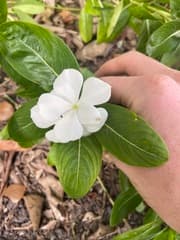
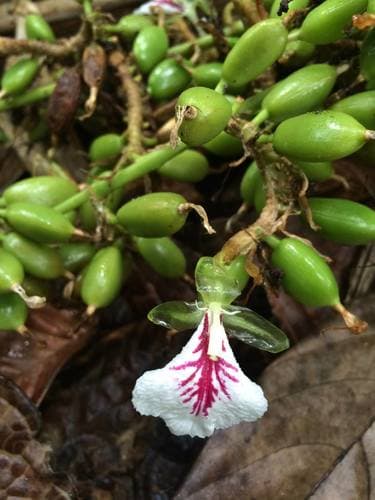
Elettaria cardamomum is a perennial herbaceous plant characterized by long, leafy shoots and flowering stems that emerge from the base. It produces small, pale flowers with a distinctive white lip streaked with purple, as seen in the image, followed by small, green, spindle-shaped fruit capsules containing aromatic black seeds.