Solomon's Seal
Image: harrylurling (cc-by)
NameSolomon's Seal
Scientific NamePolygonatum multiflorum
Common NamesEuropean Solomon's Seal, Common Solomon's Seal, Many-flowered Solomon's Seal
Plant FamilyAsparagaceae
Natural HabitatNative to Europe and Asia, it thrives in woodlands, shady banks, and hedgerows, preferring moist, humus-rich, well-drained soil.
Parts Usedroot
Medicinal Actionsdemulcent, anti-inflammatory, astringent
Traditional UsesTraditionally, the rhizome of Solomon's Seal has been used to treat musculoskeletal issues such as sprains, strains, bruises, joint pain, and broken bones, often applied topically as a poultice or taken internally. It is also valued for its demulcent properties to soothe irritated tissues, particularly in the digestive tract.
Active ConstituentsSaponins, Mucilage, Flavonoids, Allantoin
Preparation Methodsdecoction, tincture, poultice, powder
Contraindications & WarningsLarge doses may cause gastrointestinal upset, including nausea or diarrhea, due to the saponin content. It is generally advised to avoid use during pregnancy and breastfeeding without professional medical guidance.
Cultivation NotesPrefers partial to full shade and consistently moist, well-drained soil rich in organic matter. It can be propagated by dividing the rhizomes in spring or fall, or by seed, though seeds can take a long time to germinate.
Raritycommon
Description
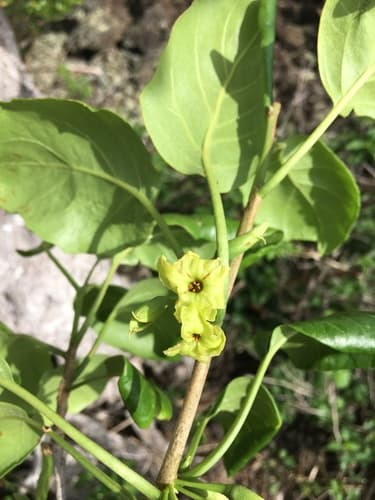
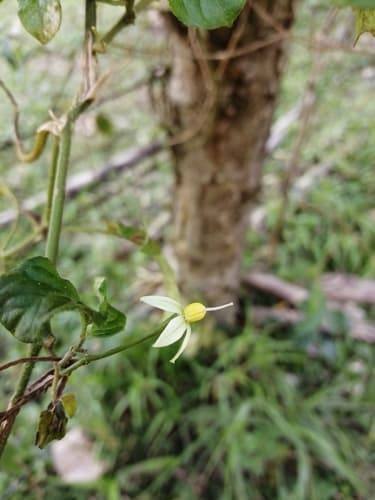
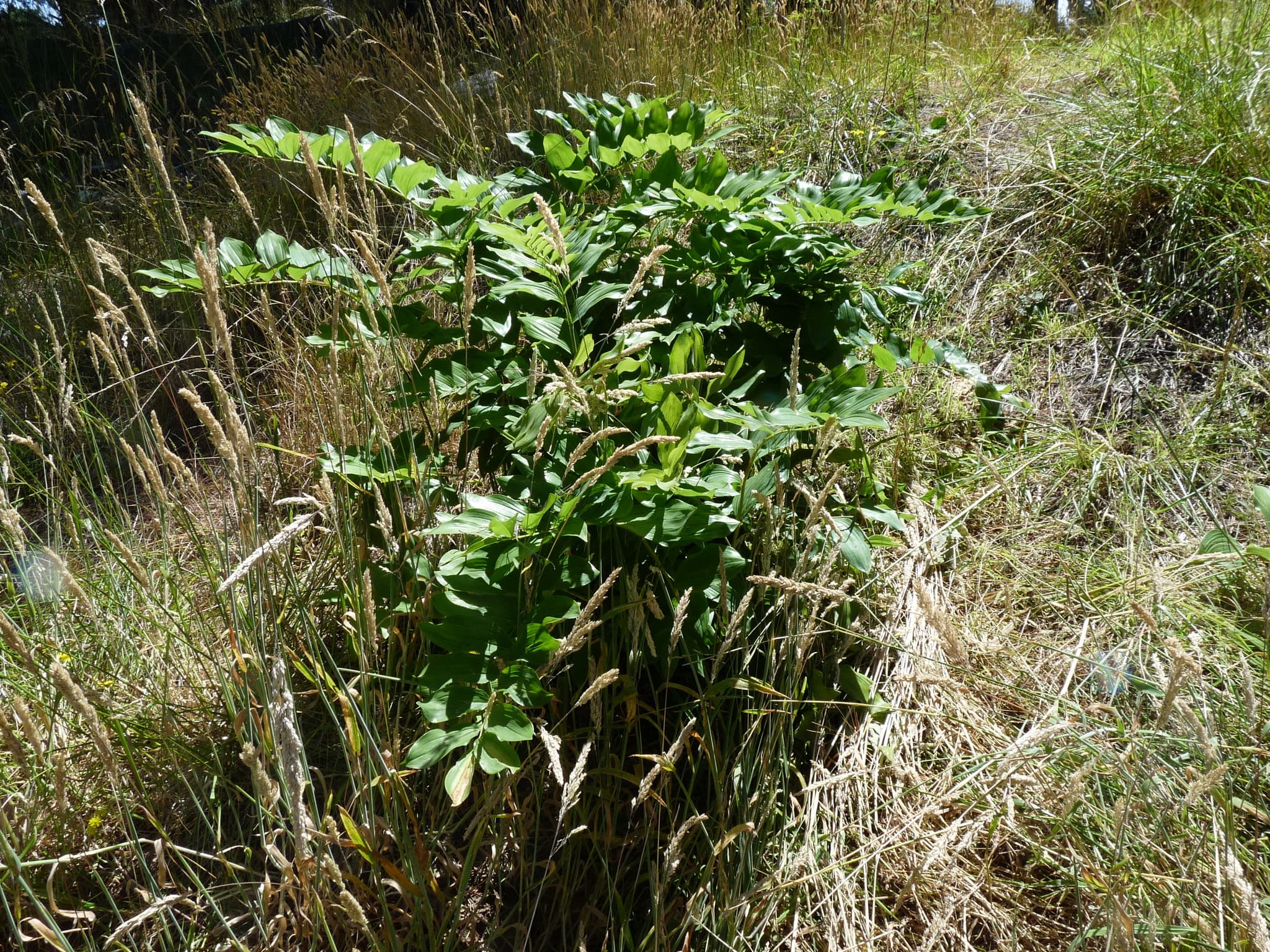
A perennial herbaceous plant characterized by its arching stems, which bear alternate, ovate-elliptic leaves. Small, bell-shaped, greenish-white flowers hang in clusters from the leaf axils along the underside of the stem, typically blooming in late spring.