Cuscuta kurdica
NameCuscuta kurdica
Scientific NameCuscuta kurdica
Common NamesKurdica Dodder, Dodder
Plant FamilyConvolvulaceae
Natural HabitatTypically found in arid and semi-arid regions, often parasitizing various herbaceous and woody plants in steppes, grasslands, and disturbed areas. It is native to parts of the Middle East, including Kurdistan.
Parts Usedwhole_plant,seed
Medicinal Actionsdiuretic, antioxidant, anti-inflammatory, adaptogen
Traditional UsesTraditionally, species of Cuscuta, including its seeds (often known as Tu Si Zi in Traditional Chinese Medicine), are used to tonify kidney yang, benefit essence and marrow, and astringe urine. It is also employed for kidney and liver support, to improve vision, strengthen bones, and as a general tonic.
Active ConstituentsFlavonoids, Lignans, Polysaccharides, Saponins
Preparation Methodsinfusion, decoction, powder, tincture
Contraindications & WarningsCaution is advised during pregnancy and lactation. Due to its parasitic nature, it can accumulate compounds from its host plant, which might be a concern if the host is toxic or treated with pesticides. Consult a healthcare professional before use.
Cultivation NotesAs a parasitic plant, Cuscuta kurdica cannot be cultivated independently. It requires a living host plant to survive and is often considered an agricultural weed rather than a cultivated medicinal plant.
Rarityuncommon
Description
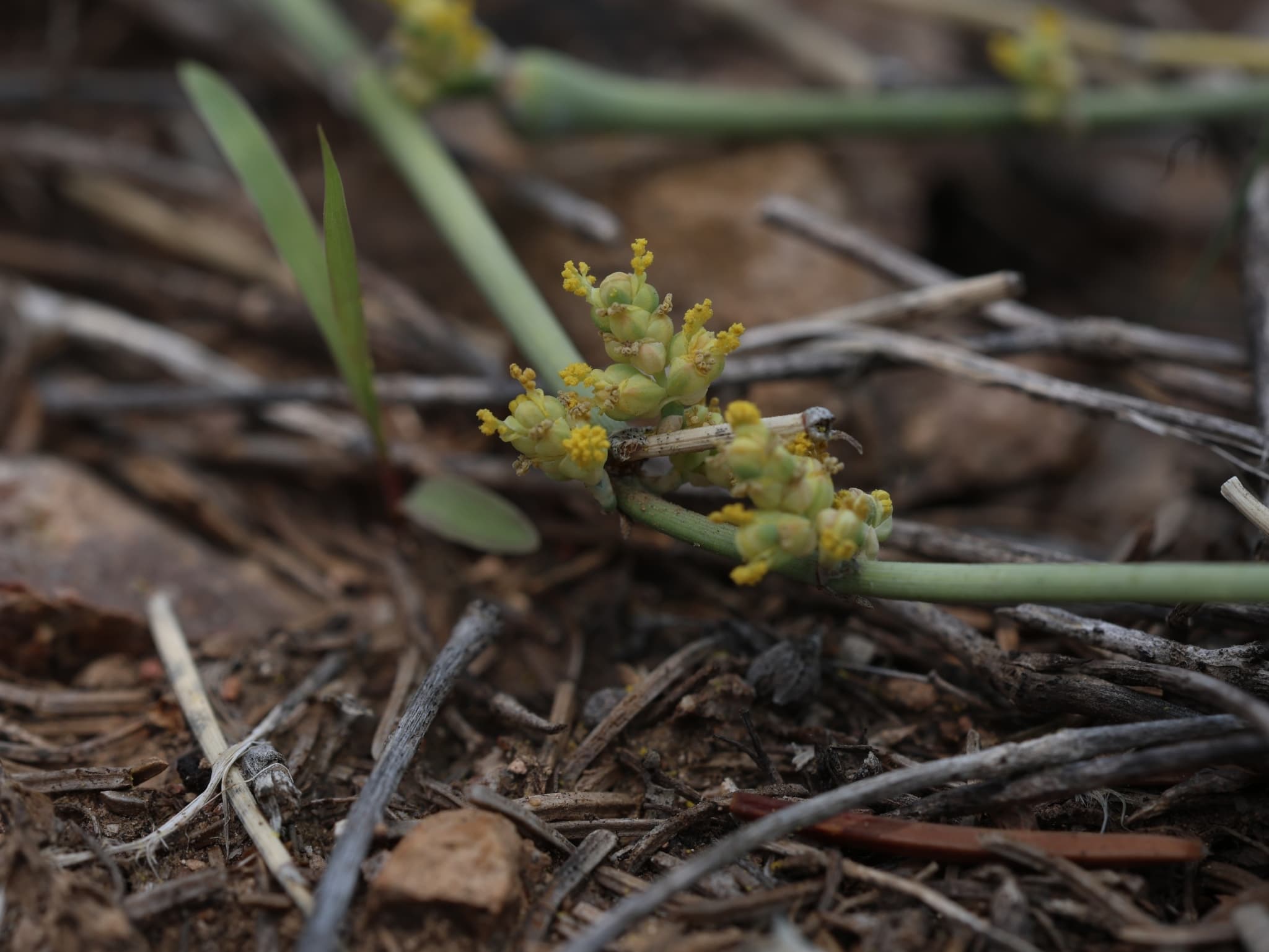
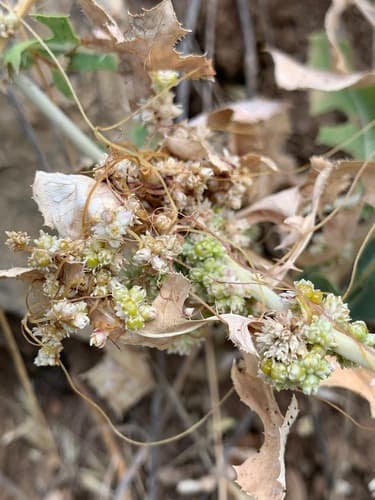
Cuscuta kurdica is a parasitic annual plant characterized by its slender, leafless, yellowish-orange to reddish stems that twine tightly around host plants. It produces dense clusters of small, whitish to pale pink flowers and globose fruits along its stems.