Solanum trachycyphum
NameSolanum trachycyphum
Scientific NameSolanum trachycyphum
Common NamesAndean Nightshade
Plant FamilySolanaceae
Natural HabitatNative to the Andean cloud forests and montane regions of South America, typically found at elevations between 1500 and 3500 meters in both undisturbed and disturbed areas.
Parts Usedleaf,fruit
Medicinal Actionsanalgesic, anti-inflammatory, antimicrobial
Traditional UsesSpecific traditional medicinal uses for Solanum trachycyphum are poorly documented in widely accessible literature. However, other Solanum species in the Andean region have been traditionally used externally for pain relief, inflammation, and skin conditions, often with extreme caution due to the plant's inherent toxicity.
Active Constituentssteroidal glycoalkaloids (e.g., solanine, solamargine)
Preparation Methodspoultice, decoction, powder
Contraindications & WarningsAll parts of Solanum trachycyphum are considered potentially toxic due to the presence of steroidal glycoalkaloids. Internal use is not recommended without expert guidance and extreme caution. Contraindicated in pregnancy, lactation, children, individuals with gastrointestinal issues, and those taking medications that may interact with solanaceous alkaloids.
Cultivation NotesPrefers subtropical to tropical montane climates with well-drained soil and partial to full sun exposure. Can be propagated from seeds. Requires conditions mimicking its native high-altitude environment.
Rarityuncommon
Description
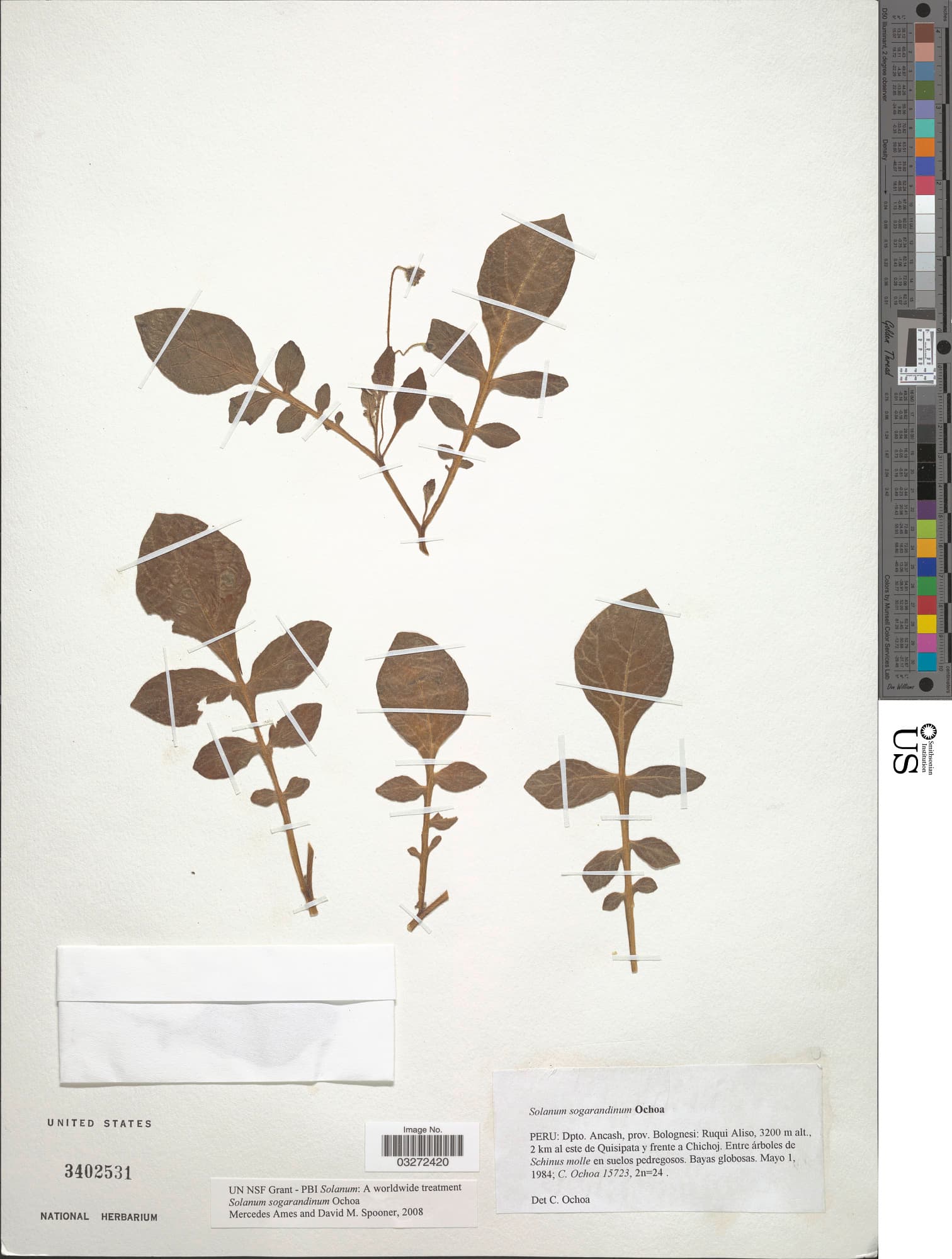
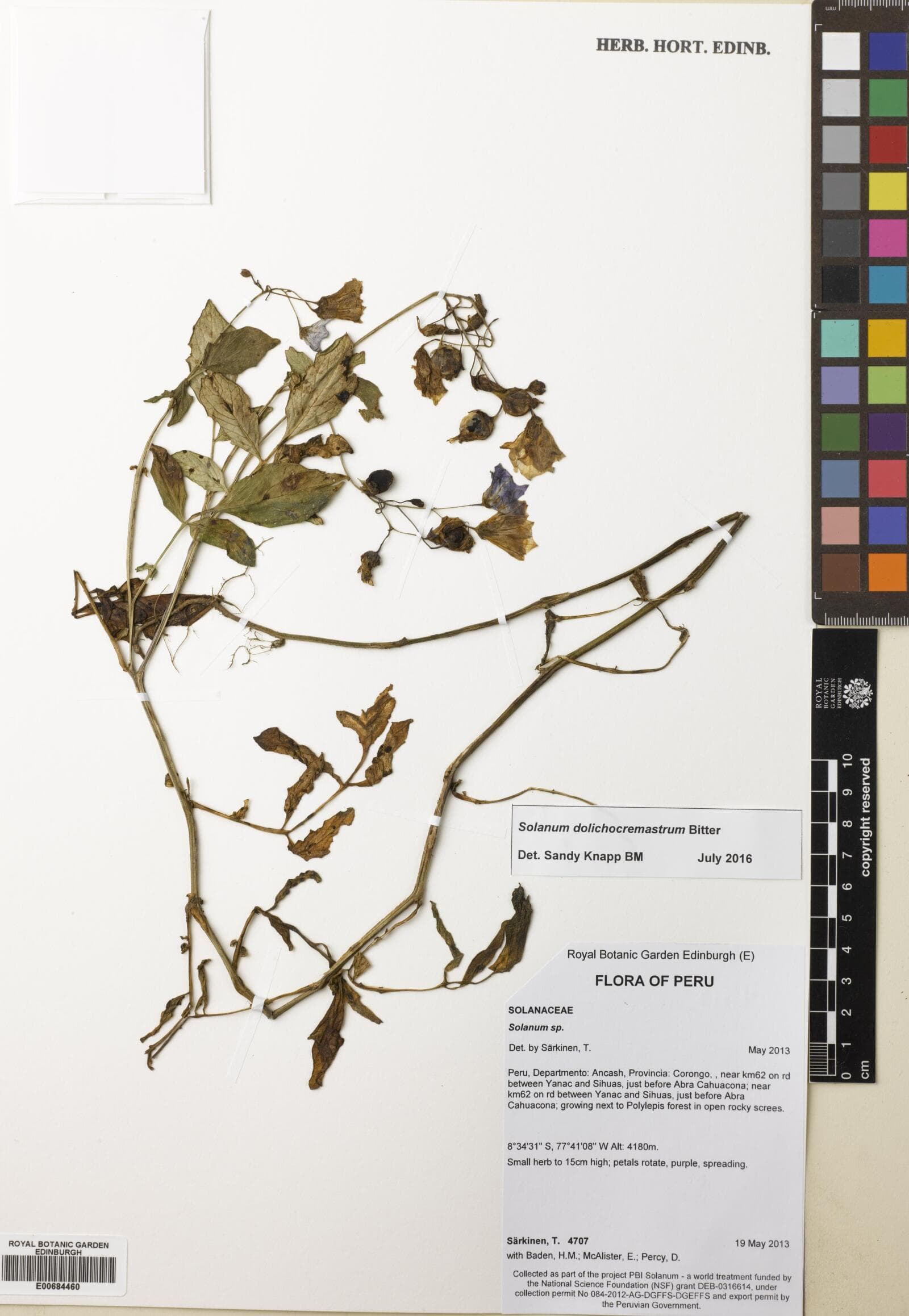
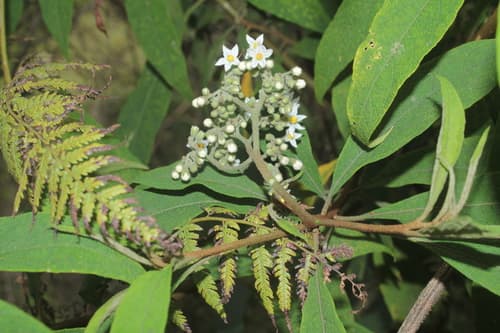
Solanum trachycyphum is a shrub or small tree native to the Andes, characterized by simple, often pubescent leaves and clusters of small, white, star-shaped flowers with prominent yellow anthers. These flowers develop into globose berries, typically green when immature and ripening to yellow or orange.