Cuscuta cozumeliensis
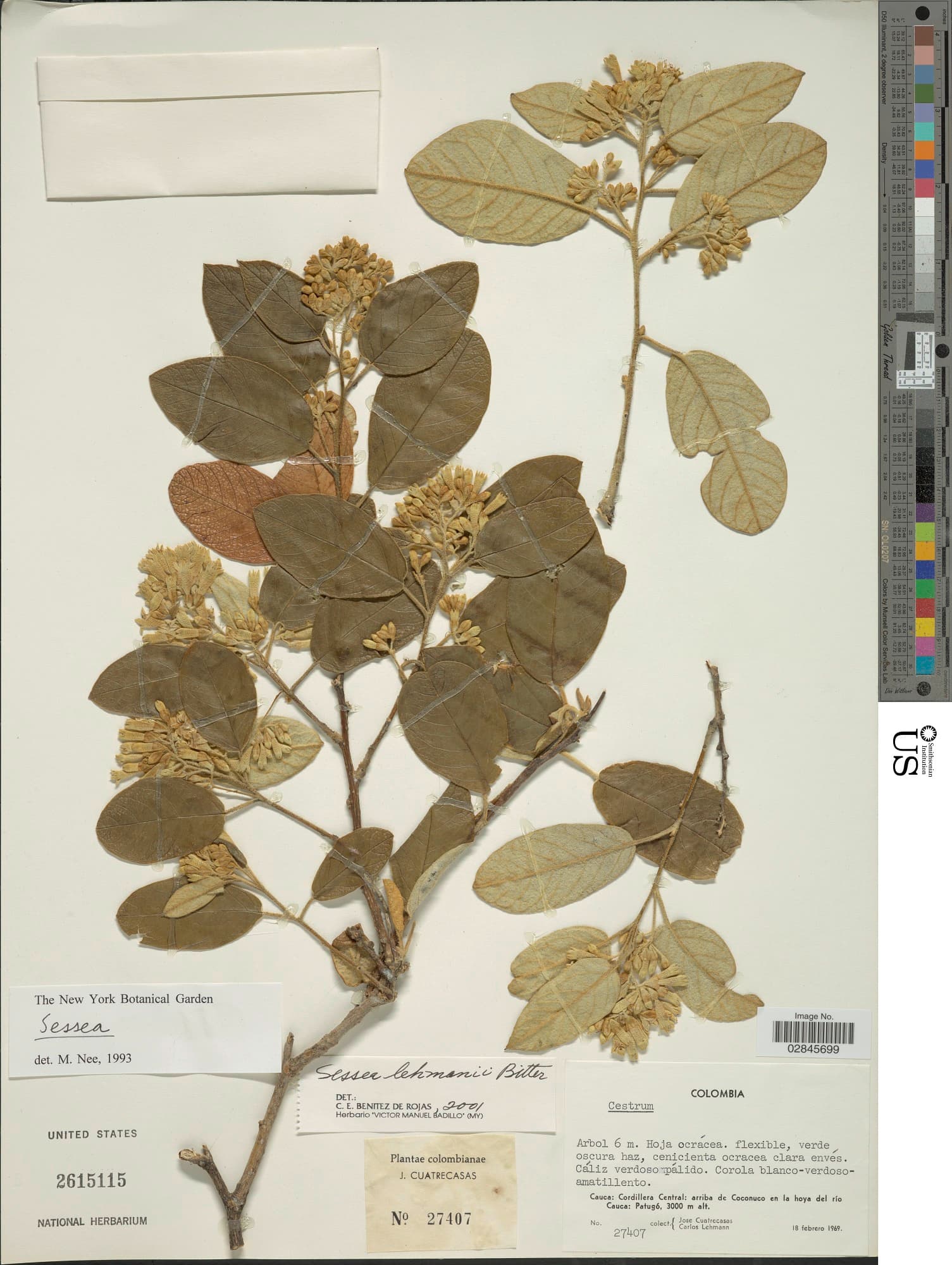
Image: The New York Botanical Garden (cc-by)
NameCuscuta cozumeliensis
Scientific NameCuscuta cozumeliensis Yunck.
Common NamesCozumel Dodder, Dodder, Love Vine, Strangleweed
Plant FamilyConvolvulaceae
Natural HabitatEndemic to Cozumel Island, Yucatan, Mexico, where it parasitizes various host plants in tropical and subtropical environments.
Parts Usedwhole_plant,seed
Medicinal Actionsadaptogen, anti-inflammatory, antioxidant
Traditional UsesTraditionally, species of Cuscuta, particularly their seeds (Tu Si Zi), are used in herbal medicine as a tonic for the liver and kidneys. They are employed to address issues such as impotence, premature ejaculation, frequent urination, and blurred vision, and are also believed to strengthen bones and tendons.
Active ConstituentsFlavonoids, Lignans, Polysaccharides, Saponins
Preparation Methodsinfusion, decoction, powder, tincture
Contraindications & WarningsNot recommended for use during pregnancy or lactation. Individuals with yin deficiency with heat signs should avoid. Always consult a healthcare professional before use, especially if on medication, due to potential interactions or specific health conditions.
Cultivation NotesAs a parasitic plant, Cuscuta cozumeliensis requires a host plant for survival and cannot be cultivated independently. It is typically managed or harvested from wild populations growing on suitable hosts. Propagation is primarily by seed.
Rarityuncommon
Description
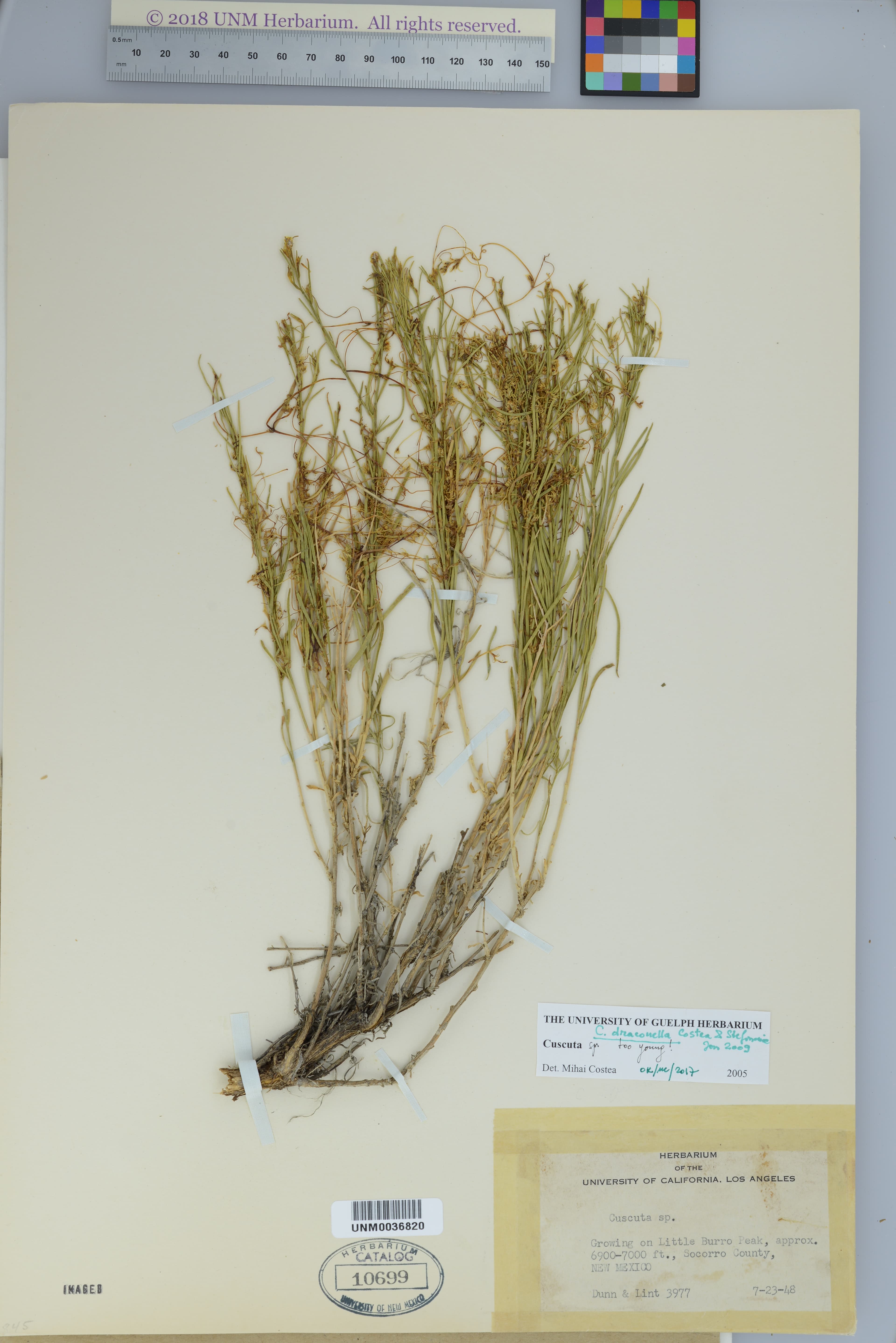
Cuscuta cozumeliensis is a parasitic, herbaceous vine characterized by its thread-like, yellowish or reddish stems that lack true leaves and roots once established. It attaches to host plants via haustoria to absorb nutrients, forming dense, tangled masses.