Nolana filifolia
NameNolana filifolia
Scientific NameNolana filifolia
Plant FamilyNolanaceae
Natural HabitatThis species is endemic to the coastal deserts of northern Chile, particularly within the Atacama Desert region, where it thrives in sandy or rocky soils.
Parts Used
Traditional UsesTraditional medicinal uses for Nolana filifolia are not well-documented or widely known in ethnobotanical literature. The genus Nolana is primarily recognized for its ornamental value and adaptation to arid environments, with some species noted for potential toxicity rather than medicinal properties.
Contraindications & WarningsNo specific contraindications are well-documented for Nolana filifolia due to a lack of established medicinal use. However, some species within the Nolana genus are known to contain alkaloids and can be toxic if ingested, so caution is advised.
Cultivation NotesNolana filifolia prefers full sun and extremely well-drained, sandy or rocky soils, mimicking its native desert habitat. It is drought-tolerant once established and typically grows as an annual or short-lived perennial in suitable climates.
Rarityuncommon
Description
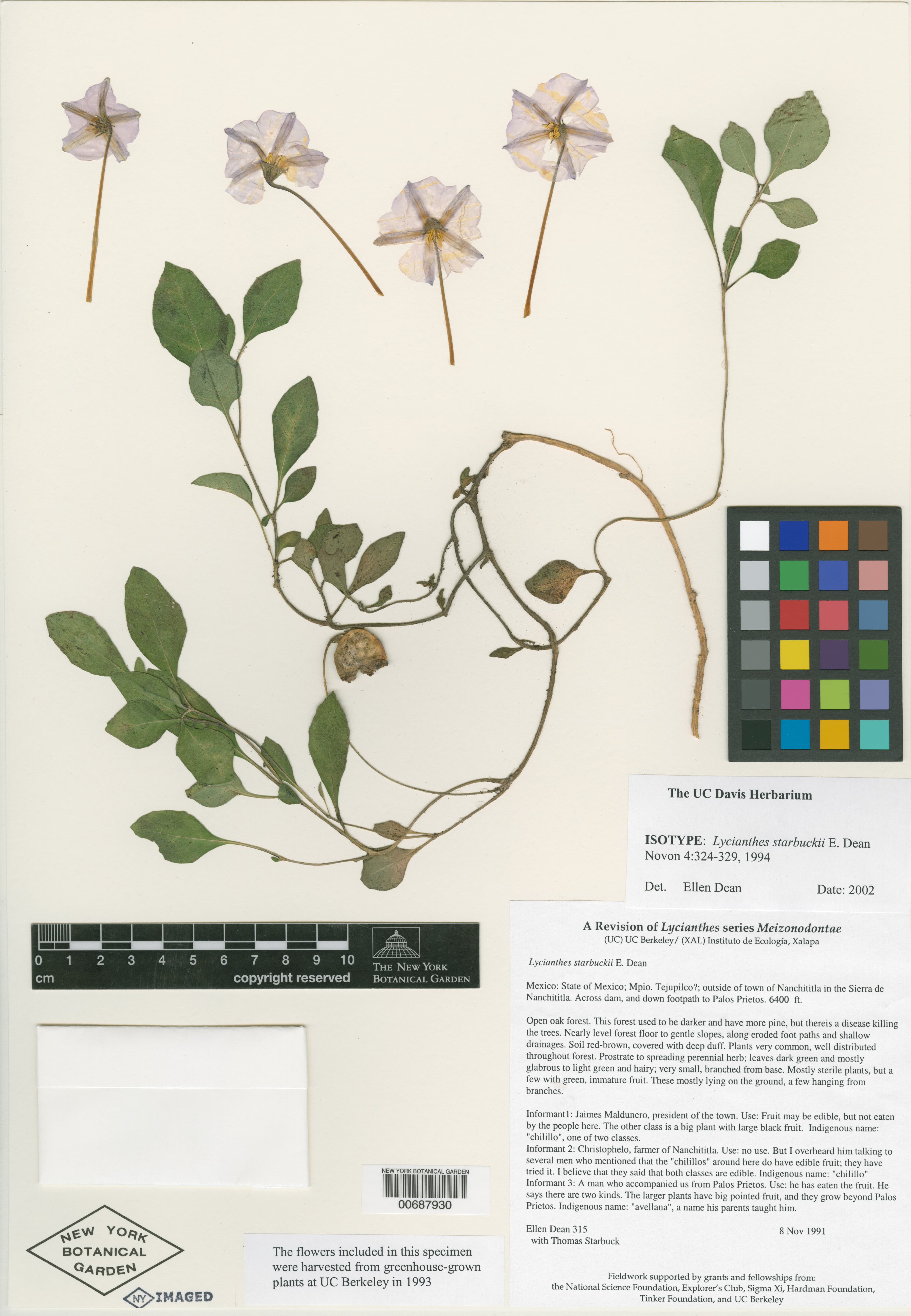
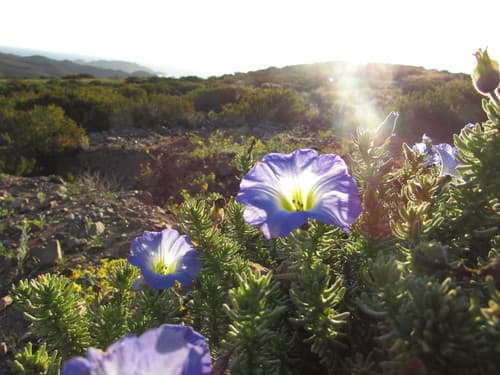
Nolana filifolia is a low-growing annual or subshrub characterized by its succulent, linear to filiform leaves. It produces striking trumpet-shaped flowers, typically blue to violet with a lighter, often yellowish or white throat, blooming profusely after seasonal rains.