Ephedra
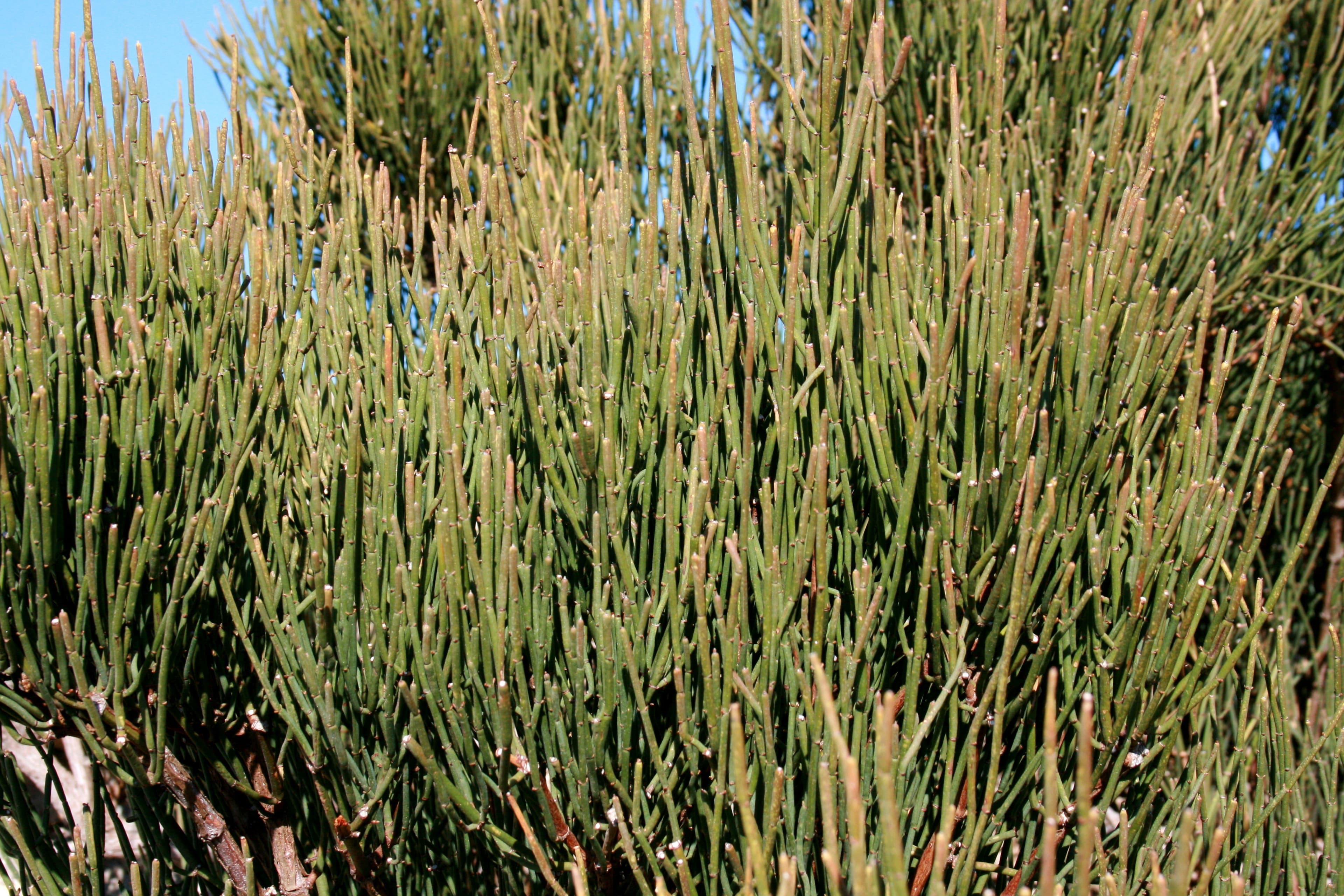
Image: Frank Vincentz (CC BY-SA 3.0)
NameEphedra
Scientific NameEphedra fragilis
Common NamesBrittle Ephedra, Joint Pine, Mormon Tea
Plant FamilyEphedraceae
Natural HabitatNative to the Mediterranean region and Canary Islands, it thrives in dry, rocky areas, coastal cliffs, and scrublands, often found in full sun and well-drained soils. The specimen in the image was found growing at Cap de Formentor, Mallorca.
Parts Usedwhole_plant
Medicinal Actionsdiuretic, expectorant
Traditional UsesTraditionally, various Ephedra species have been used for thousands of years in herbal medicine, particularly in traditional Chinese medicine (Ma Huang). It was historically employed to treat respiratory conditions such as asthma, bronchitis, and colds due to its bronchodilator and decongestant properties. It was also used as a stimulant, to increase energy, and as a diuretic.
Active ConstituentsEphedrine, Pseudoephedrine, Norephedrine
Preparation Methodsinfusion, decoction, powder
Contraindications & WarningsEphedra can cause significant side effects and is contraindicated in individuals with high blood pressure, heart conditions, anxiety, insomnia, glaucoma, prostate enlargement, or thyroid disorders. It should not be used by pregnant or breastfeeding women, or in conjunction with MAO inhibitors or other stimulants. Due to serious health risks, its use is highly regulated or banned in many countries.
Cultivation NotesEphedra fragilis prefers full sun and extremely well-drained, sandy or rocky soil. It is highly drought-tolerant once established and requires minimal watering. It can be propagated by seed or stem cuttings and is generally low-maintenance in suitable climates.
Raritycommon
Description
Ephedra fragilis is a shrub-like gymnosperm characterized by its numerous slender, jointed, green stems that perform photosynthesis, as its leaves are reduced to small, scale-like structures. It forms dense, broom-like bushes, typically growing in arid or semi-arid environments.