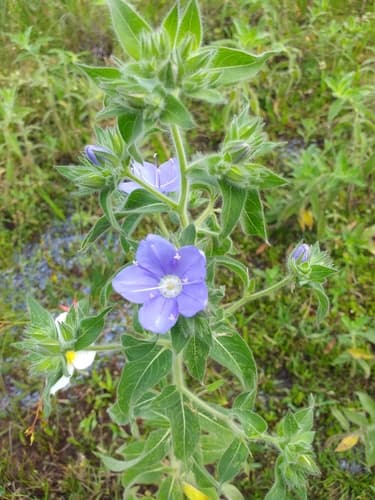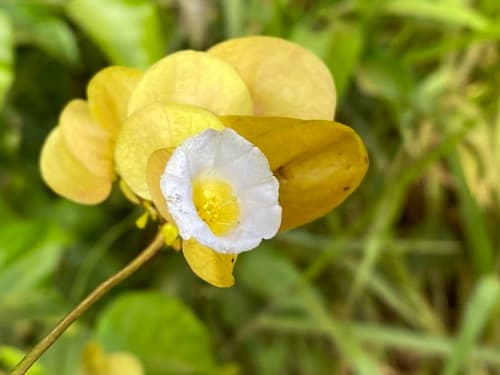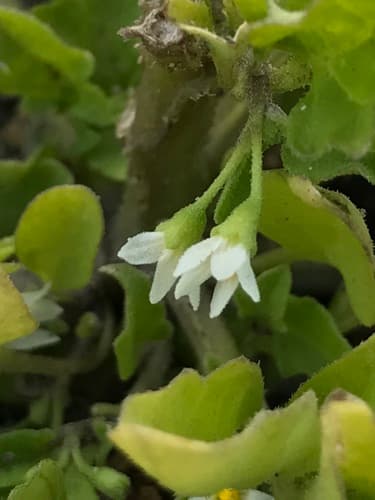
Solanum sanfurgoi
NameSolanum sanfurgoi
Scientific NameSolanum sanfurgoi
Plant FamilySolanaceae
Natural HabitatThis species is native to parts of South America, particularly Chile and Argentina, where it can be found in disturbed areas, roadsides, agricultural fields, and open, often dry, habitats.
Parts Used
Traditional UsesSpecific traditional medicinal uses for Solanum sanfurgoi are not widely documented in ethnobotanical literature. While other species within the Solanum genus have various traditional applications, often with caution due to toxicity, direct evidence for S. sanfurgoi is scarce.
Active ConstituentsSteroidal glycoalkaloids (e.g., solanine, chaconine - common in Solanum species, potential for toxicity), Flavonoids, Phenolic compounds
Contraindications & WarningsAs with many species in the Solanum genus, S. sanfurgoi likely contains steroidal glycoalkaloids which can be toxic if ingested, especially in raw or improperly prepared forms. Due to the lack of specific medicinal use documentation and potential toxicity, internal consumption is strongly contraindicated. Pregnant or lactating individuals, children, and those with liver or kidney conditions should avoid any contact or ingestion.
Cultivation NotesSolanum sanfurgoi is generally adaptable and can grow in a variety of soil types, preferring well-drained conditions. It thrives in full sun to partial shade and is often found as a weed in disturbed areas, indicating its resilience. Propagation is typically by seed.
Rarityuncommon
Description
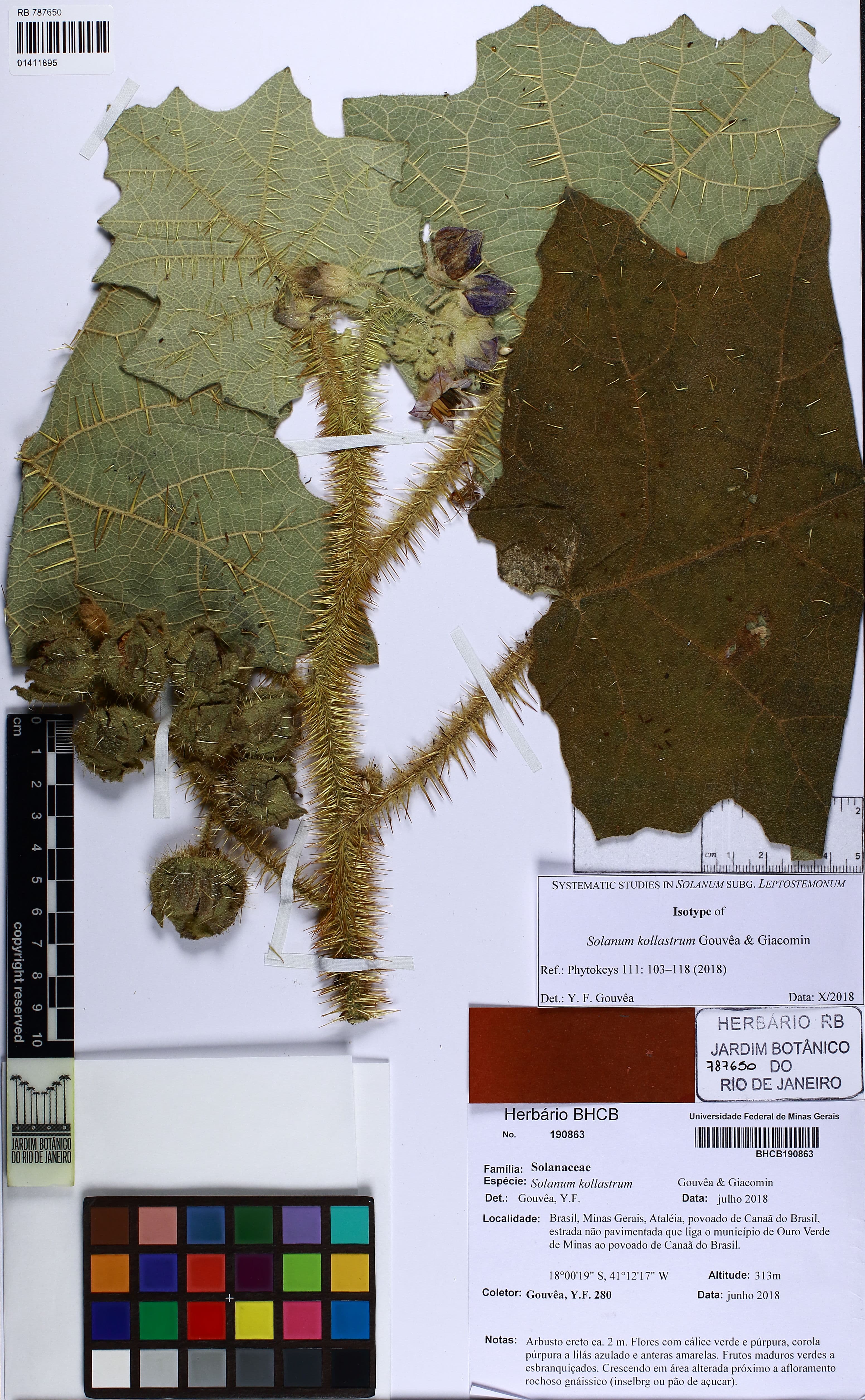
Solanum sanfurgoi is a perennial herbaceous plant, often sprawling or decumbent, characterized by small, white, star-shaped flowers with prominent yellow anthers. Its leaves are typically ovate to lanceolate, sometimes with shallow lobes, and can be somewhat hairy.