Culver's Root
Image: daksu (cc-by)
NameCulver's Root
Scientific NameVeronicastrum virginicum
Common NamesCulver's Root, Black Root, Bowman's Root, Leptandra
Plant FamilyPlantaginaceae
Natural HabitatIt thrives in moist woodlands, open woods, meadows, and prairies, preferring rich, well-drained soil.
Parts Usedroot
Medicinal Actionsanti-inflammatory, diuretic
Traditional UsesTraditionally, Culver's Root has been used as a powerful purgative and cholagogue (bile stimulant) for treating constipation, liver congestion, and jaundice. Native Americans and early settlers also employed it for fevers, gallstones, and other liver and gallbladder complaints.
Active Constituentsleptandrin, veronicastroside, phenolic acids, flavonoids
Preparation Methodsdecoction, tincture, powder
Contraindications & WarningsDue to its strong purgative action, Culver's Root should be used with extreme caution and under professional guidance. It is contraindicated in pregnancy, breastfeeding, intestinal obstruction, inflammatory bowel conditions, and severe dehydration. Overdose can cause severe vomiting, diarrhea, and abdominal pain.
Cultivation NotesThis plant prefers full sun to partial shade and moist, well-drained soil. It is relatively easy to grow and drought-tolerant once established, making it a good choice for native plant gardens and naturalized areas.
Raritycommon
Description
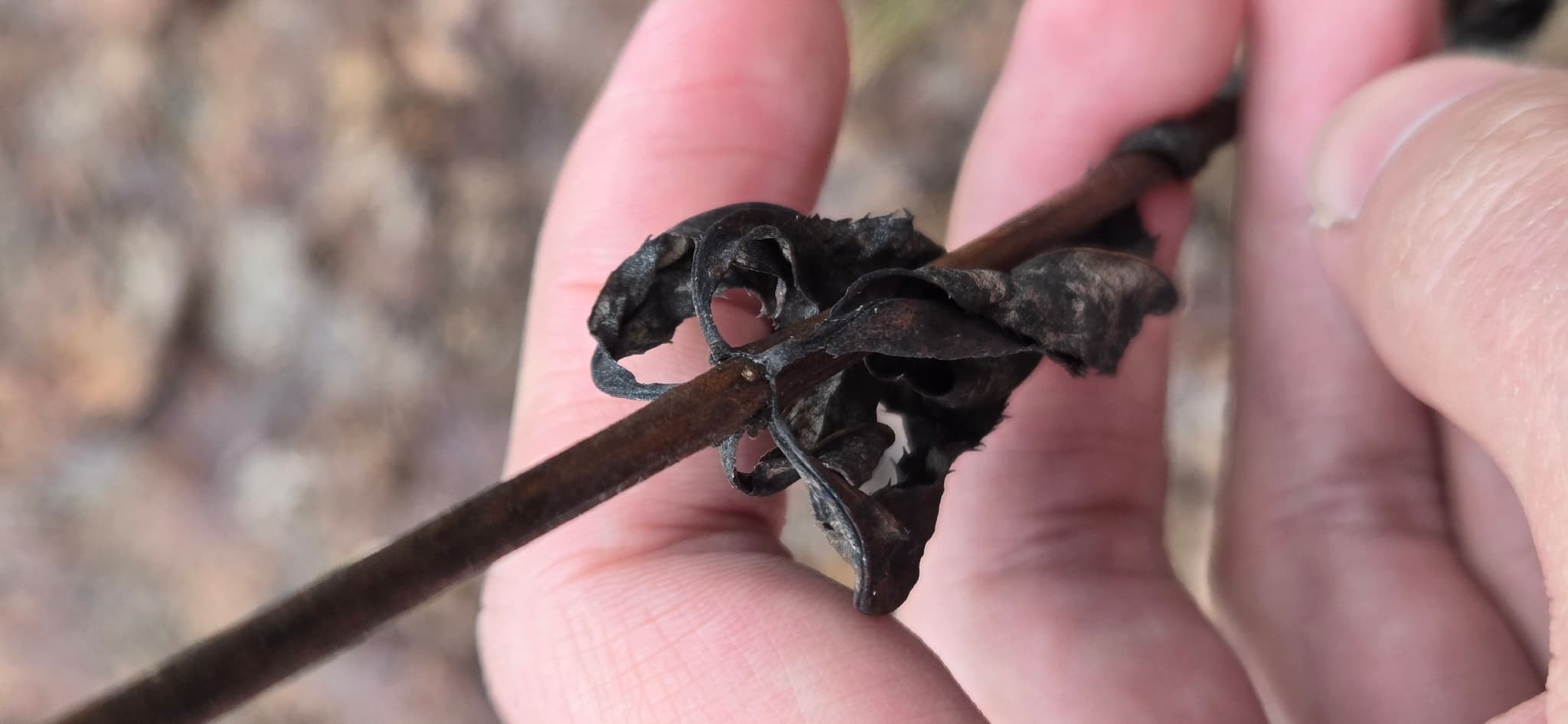
Culver's Root is a tall, slender perennial herb native to eastern and central North America, characterized by whorled leaves and striking candelabra-like spikes of small white to pale blue flowers. The plant in the image appears to be a dried stalk with remnants of leaves or flowers, indicative of its dormant or post-flowering state.