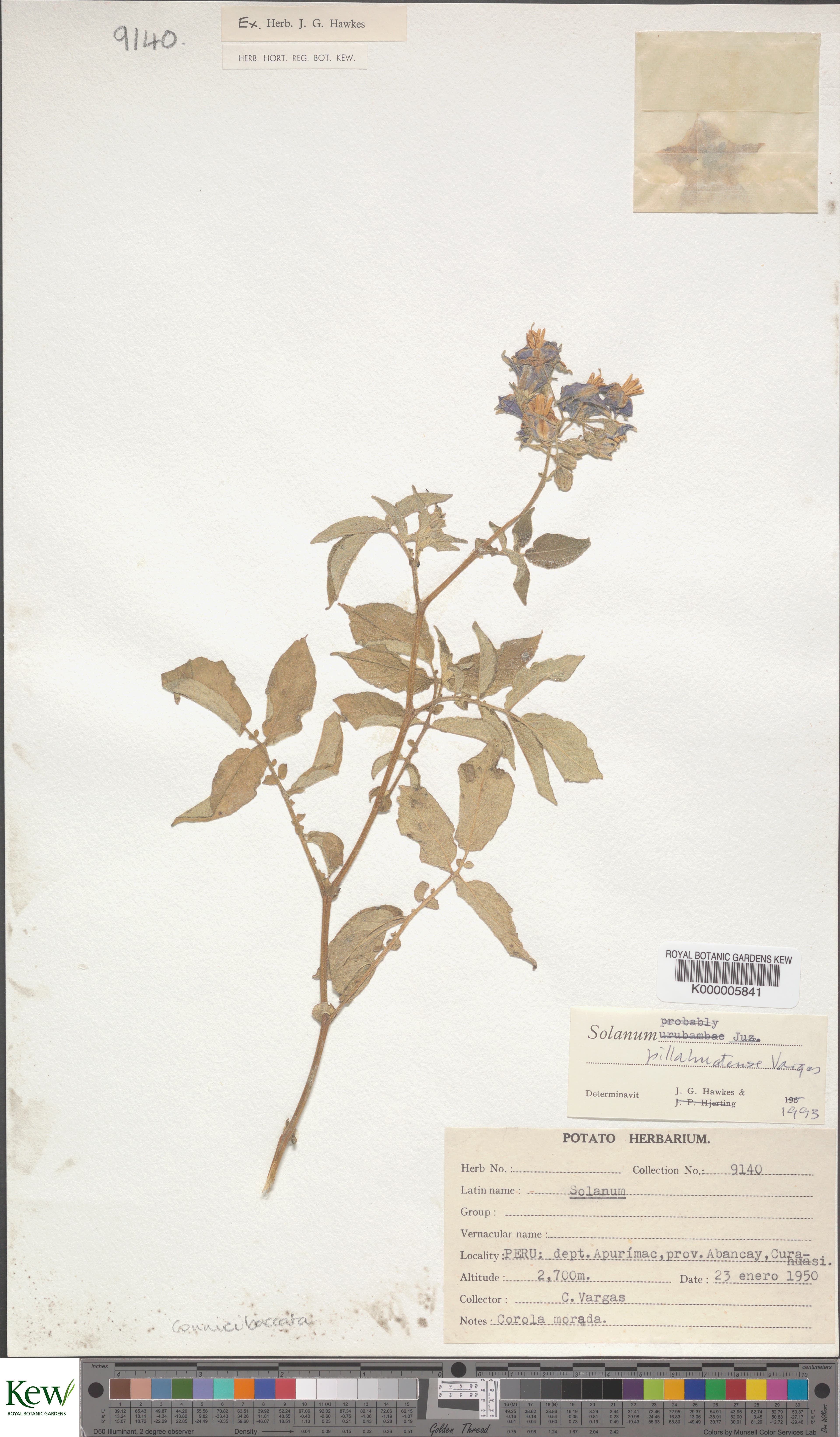
Mallow Bindweed
NameMallow Bindweed
Scientific NameConvolvulus althaeoides
Common NamesMallow-leaved Bindweed, Mallow Bindweed, Silvery Bindweed
Plant FamilyConvolvulaceae
Natural HabitatNative to the Mediterranean region, this plant thrives in dry, rocky, and disturbed areas such as roadsides, fields, olive groves, and coastal sands. It prefers full sun and well-drained soils.
Parts Usedwhole_plant,root,leaf
Medicinal Actionsdemulcent, astringent, antioxidant
Traditional UsesTraditionally, various parts of bindweed species, including *Convolvulus althaeoides*, have been used as a strong purgative and laxative due to their resin glycosides. The plant has also been applied externally as a poultice for skin irritations and wounds, leveraging its demulcent and astringent properties.
Active Constituentsresin glycosides, tannins, flavonoids
Preparation Methodsinfusion, decoction, powder, poultice
Contraindications & WarningsDue to its potent purgative effects, internal use can cause severe gastrointestinal upset, cramping, and dehydration. It is contraindicated for pregnant or nursing women, young children, and individuals with inflammatory bowel conditions or other gastrointestinal disorders. It may also interact with medications by accelerating intestinal transit.
Cultivation NotesMallow-leaved Bindweed is a hardy plant that prefers full sun and well-drained soil, tolerating drought conditions once established. While sometimes cultivated for its ornamental flowers, it can be quite invasive and is often considered a weed in agricultural and garden settings due to its vigorous growth and deep root system.
Raritycommon
Description
Convolvulus althaeoides is a perennial, herbaceous vine characterized by its trailing or climbing habit and distinctive silvery, often deeply lobed leaves. It produces showy, funnel-shaped flowers that are typically pink to purple with a darker, purplish-red throat, blooming from spring to summer.