Cuscuta bella
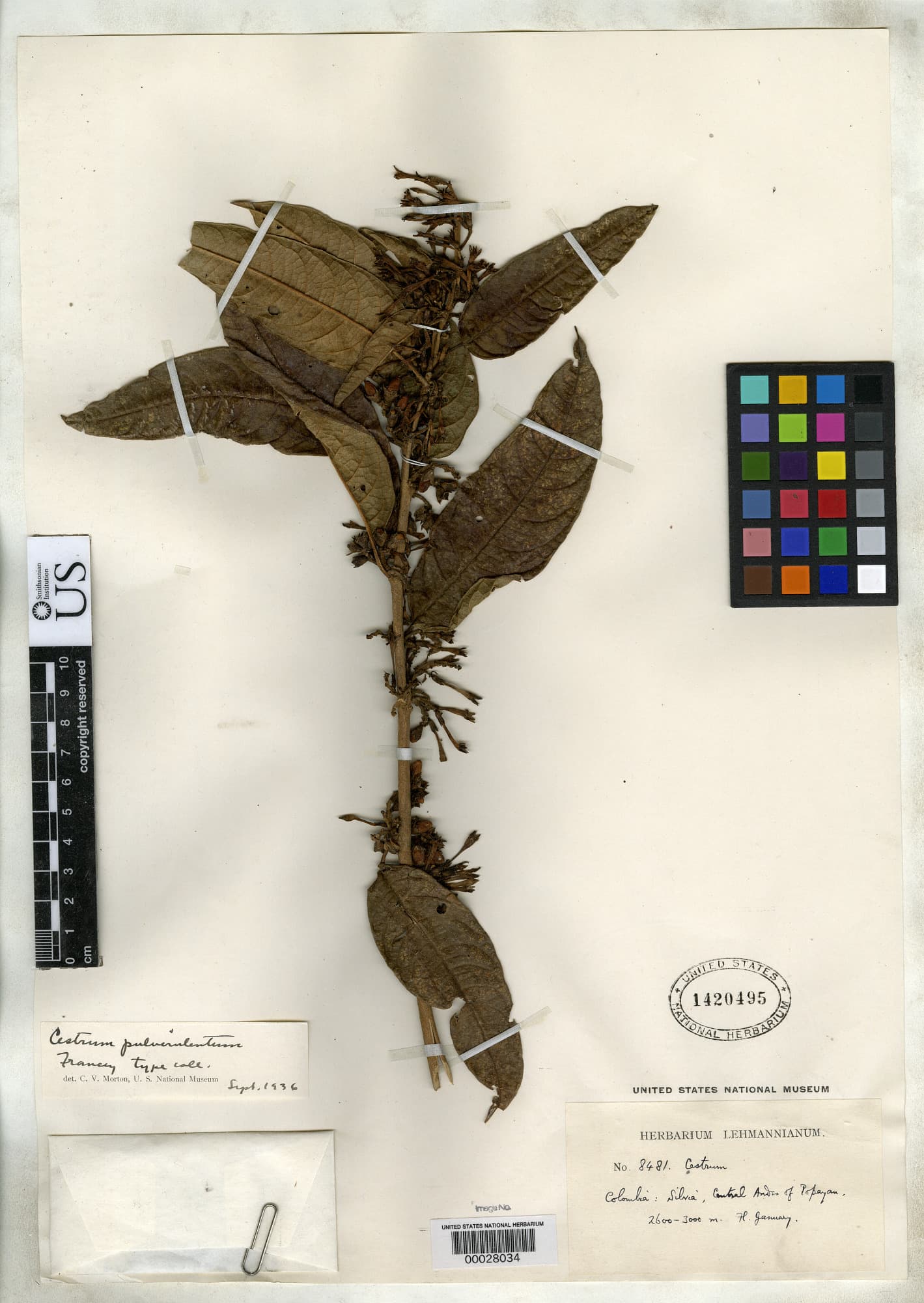
Image: The New York Botanical Garden (cc-by)
NameCuscuta bella
Scientific NameCuscuta bella Yunck.
Common NamesDodder
Plant FamilyConvolvulaceae
Natural HabitatThis species was collected in Peru, specifically in the Department of Junin, Tarma, at an altitude of 3000-3200 meters on an open hillside. It thrives in high-altitude, open environments where it can find suitable host plants.
Parts Usedwhole_plant,seed
Medicinal Actionsadaptogen, anti-inflammatory, antioxidant
Traditional UsesTraditionally, species of Cuscuta are used as a general tonic, particularly for supporting liver and kidney function. They are also employed to address issues related to reproductive health, such as impotence and premature ejaculation, and to improve vision. The plant is often considered an adaptogen, helping the body cope with stress and promoting overall vitality.
Active ConstituentsFlavonoids, Lignans, Polysaccharides, Coumarins
Preparation Methodsinfusion, decoction, powder
Contraindications & WarningsWhile generally considered safe in moderate doses, Cuscuta species should be used with caution during pregnancy and lactation. Individuals on blood-thinning medications or hormone therapies should consult a healthcare professional due to potential interactions. Long-term use or high doses may also warrant medical supervision.
Cultivation NotesAs a parasitic plant, Cuscuta bella cannot be cultivated independently; it requires a suitable host plant to grow and thrive. It is not typically cultivated for medicinal purposes in conventional garden settings. Propagation occurs via seeds, which germinate and then seek out a host.
Rarityuncommon
Description
Cuscuta bella is a parasitic vine characterized by its leafless, twining stems that attach to host plants. The herbarium specimen indicates it has a rich purple corolla and yellow anthers. Like other dodder species, it lacks chlorophyll and obtains nutrients by penetrating the vascular system of its host.