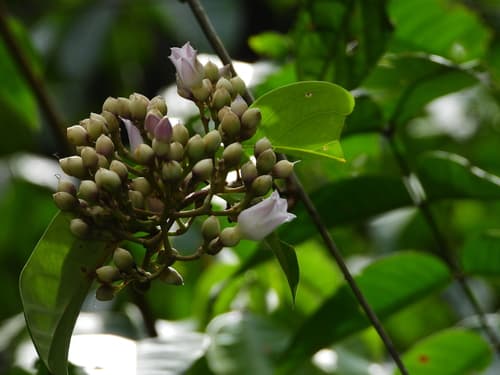
Solanum apiculatum
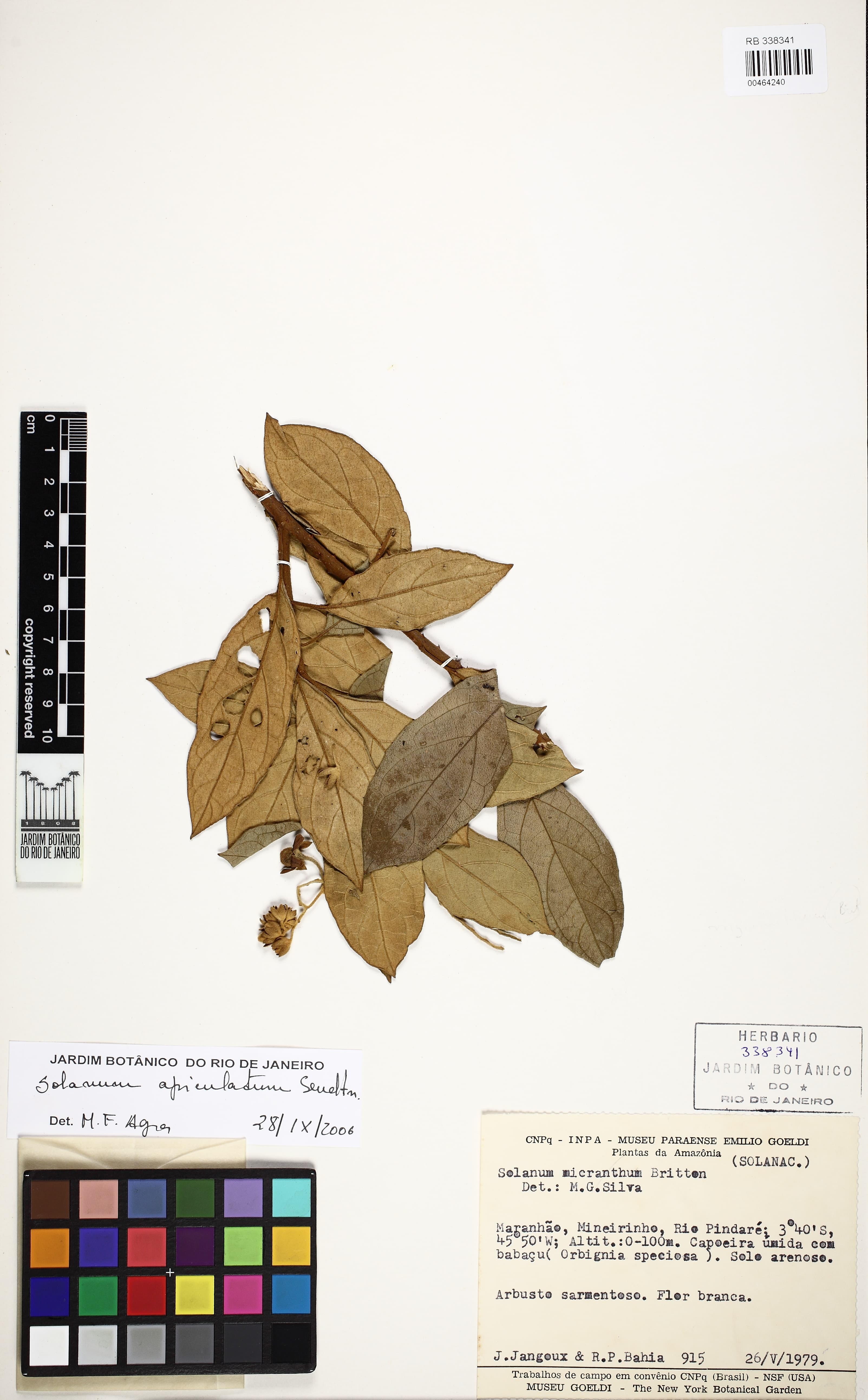
Image: J.Jangoux; R.P.Bahia (cc-by)
NameSolanum apiculatum
Scientific NameSolanum apiculatum Sendtn.
Plant FamilySolanaceae
Natural HabitatNative to humid capoeira (secondary forest) with babassu palms (Orbignia speciosa) on sandy soils, found in regions like Maranhão, Brazil, at altitudes between 0-100 meters.
Parts Usedleaf,flower
Medicinal Actionsanti-inflammatory, antimicrobial
Traditional UsesSpecific traditional medicinal uses for Solanum apiculatum are not widely documented in available ethnobotanical literature. However, other species within the Solanum genus are traditionally used for conditions involving inflammation and microbial infections, often with careful preparation due to potential toxicity.
Active ConstituentsSteroidal glycoalkaloids
Preparation Methodsinfusion, decoction, poultice
Contraindications & WarningsDue to the presence of potentially toxic steroidal glycoalkaloids common in the Solanum genus, internal consumption is generally contraindicated without specific safety data. Pregnant or breastfeeding women, children, and individuals with liver or kidney conditions should avoid use. Potential for skin irritation with topical application.
Cultivation NotesPrefers warm, humid climates with sandy, well-drained soils, mimicking its native secondary forest habitat in regions like Maranhão, Brazil. Requires consistent moisture and protection from extreme cold.
Rarityuncommon
Description
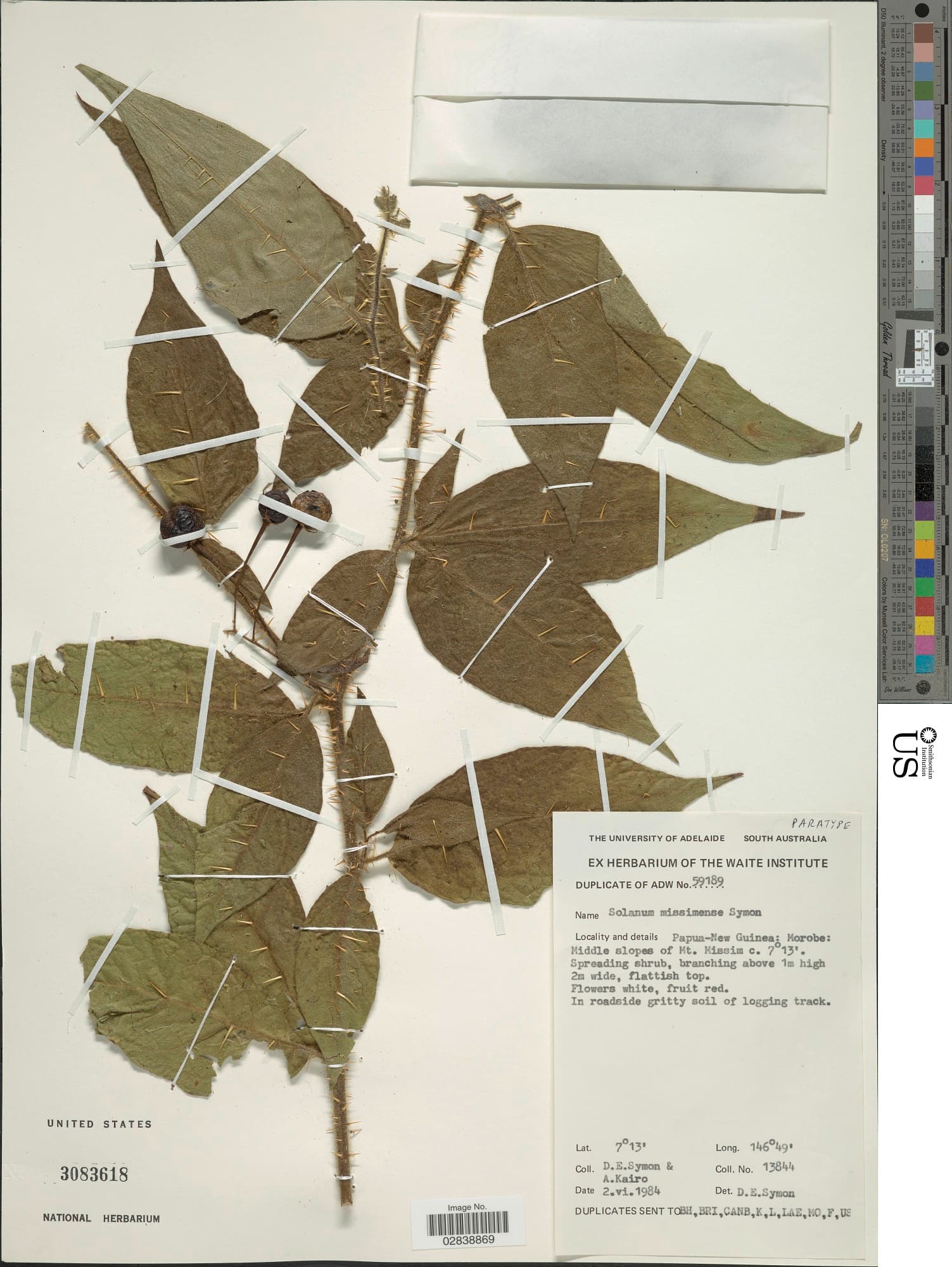
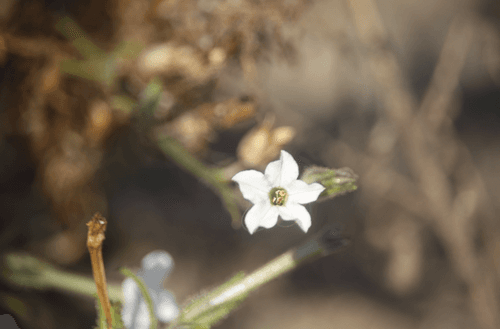
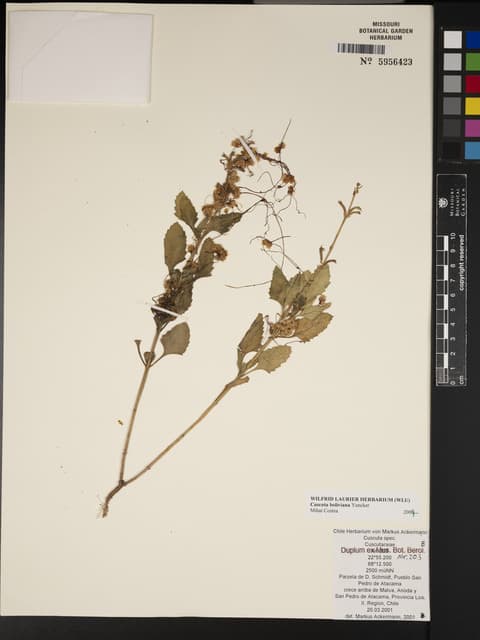
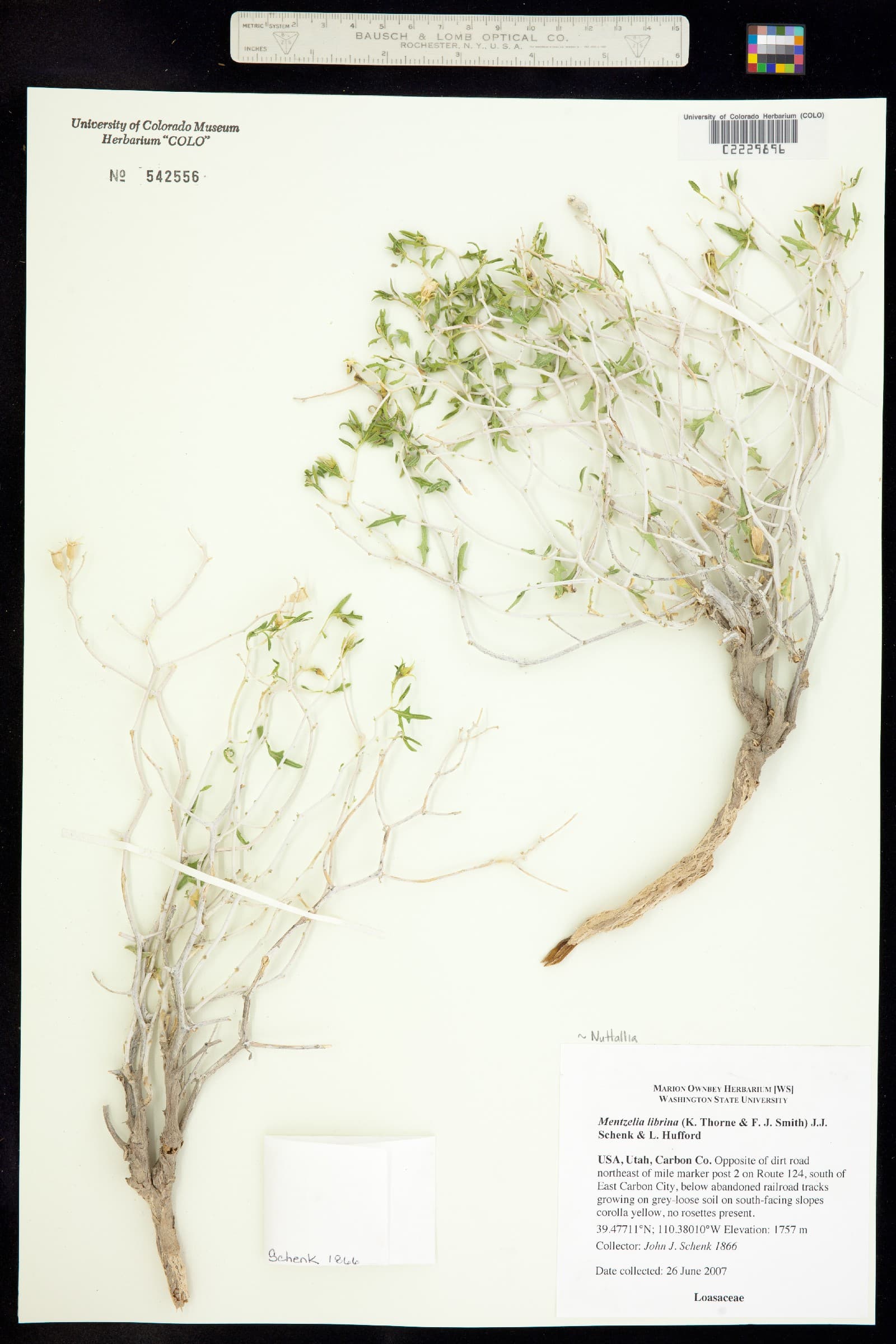
A scrambling shrub characterized by ovate to elliptic leaves and white flowers. The specimen shows dried leaves, some with minor insect damage, attached to a woody stem, indicative of its growth habit.