Cuban raintree
NameCuban raintree
Scientific NameDiospyros crassinervis
Common NamesCuban Persimmon, Jocuma, Ebano carbonero
Plant FamilyEbenaceae
Natural HabitatNative to tropical and subtropical forests of the Caribbean, particularly Cuba, often found in dry to moist limestone soils, coastal areas, and woodlands.
Parts Usedfruit,bark,leaf
Medicinal Actionsastringent, antioxidant
Traditional UsesThe fruits of Diospyros species, including this one, are traditionally consumed and valued for their astringent properties, often used to treat diarrhea and dysentery. The bark and leaves may also be used in traditional remedies for similar conditions or as a general tonic.
Active ConstituentsTannins, Carotenoids, Flavonoids
Preparation Methodsinfusion, decoction, powder
Contraindications & WarningsDue to high tannin content, excessive consumption of unripe fruit may cause constipation. No specific drug interactions are widely documented, but caution is advised.
Cultivation NotesPrefers full sun to partial shade and well-drained soil, tolerating various soil types including limestone. It is drought-tolerant once established and can be propagated by seed.
Rarityuncommon
Description
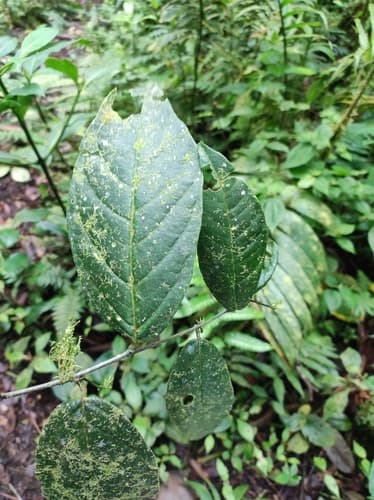
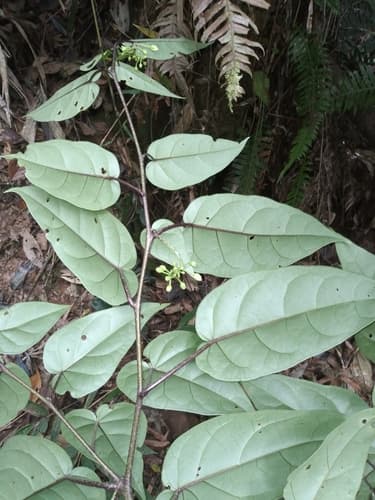
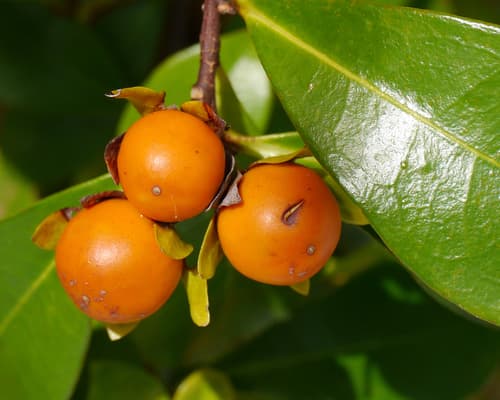
A small to medium-sized evergreen tree, this species is characterized by its glossy, leathery, dark green leaves. It produces small, round, orange fruits that ripen from green, often persisting on the branches and subtended by a persistent calyx.