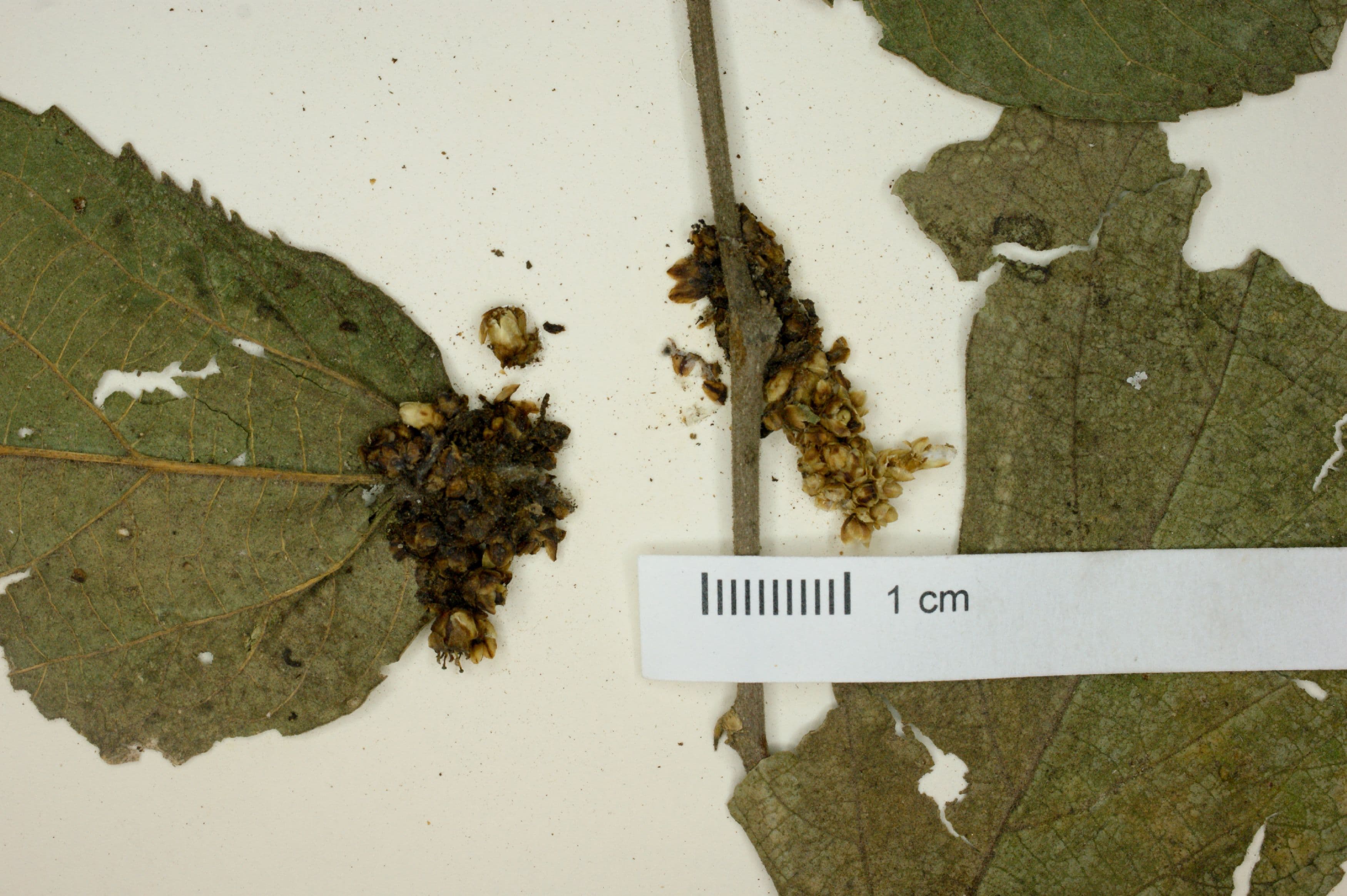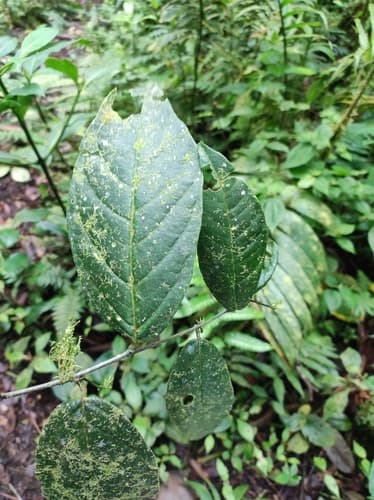
Cestrum endresii
NameCestrum endresii
Scientific NameCestrum endresii
Plant FamilySolanaceae
Natural HabitatNative to tropical and subtropical moist broadleaf forests, often found in montane cloud forest regions of Costa Rica and Panama.
Parts Used
Traditional UsesWhile some species within the Cestrum genus have limited traditional external uses for conditions like pain or skin ailments, specific traditional medicinal uses for Cestrum endresii itself are not well-documented in ethnobotanical literature. The genus is generally known for its toxicity.
Active Constituentssteroidal glycoalkaloids, saponins
Contraindications & WarningsAll parts of Cestrum endresii, like other Cestrum species, are considered toxic if ingested due to the presence of steroidal glycoalkaloids and saponins. Internal use is strictly contraindicated and can cause severe poisoning. Contact with sap may cause skin irritation.
Cultivation NotesPrefers tropical to subtropical climates with moist, well-drained soil and partial shade. It is typically found in forest understories or clearings.
Rarityuncommon
Description
Cestrum endresii is a shrub or small tree native to Central America, characterized by simple, alternate, dark green leaves. It belongs to the nightshade family and typically produces clusters of small, tubular flowers followed by berries.