Calycobolus lanulosus
NameCalycobolus lanulosus
Scientific NameCalycobolus lanulosus
Plant FamilyConvolvulaceae
Natural HabitatFound in tropical forests, forest margins, and disturbed areas across various regions of Africa.
Parts Usedleaf,root,bark
Medicinal Actionsanalgesic, anti-inflammatory, antimicrobial, antioxidant
Traditional UsesTraditionally utilized in African folk medicine for a range of ailments including pain, inflammation, fever, and gastrointestinal issues such as diarrhea and dysentery. It is also employed for skin conditions, as an aphrodisiac, and in treatments for malaria, diabetes, and sexually transmitted infections.
Active ConstituentsAlkaloids, Flavonoids, Tannins, Saponins, Terpenoids
Preparation Methodsinfusion, decoction, poultice
Contraindications & WarningsSpecific contraindications are not widely documented. General caution is advised, especially for pregnant or lactating individuals, and those on existing medications. Consultation with a healthcare professional is recommended before use.
Cultivation NotesThis tropical liana thrives in warm, humid conditions with well-drained soil. It requires a sturdy support structure for its climbing growth habit and can be propagated from seeds or cuttings.
Rarityuncommon
Description
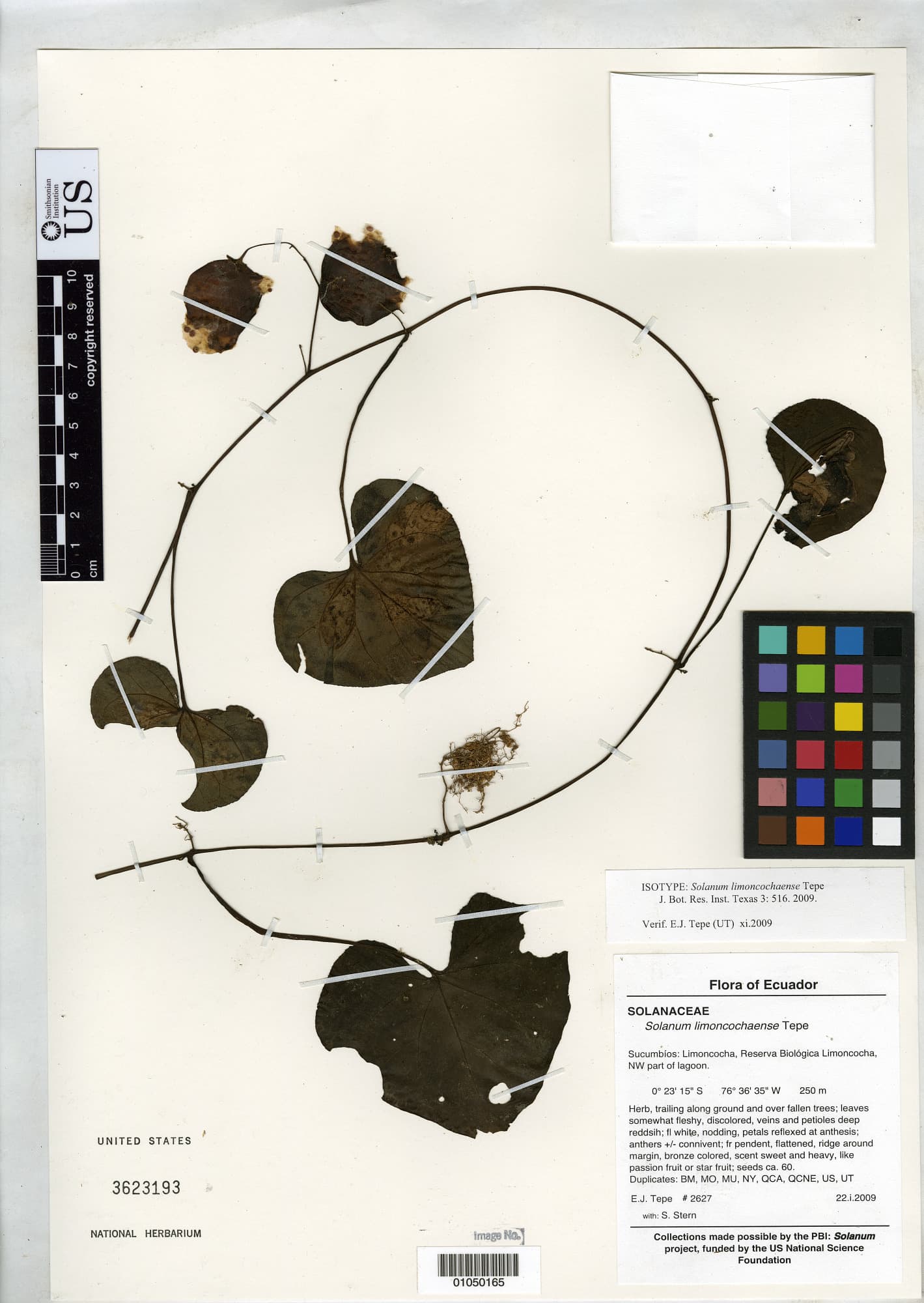
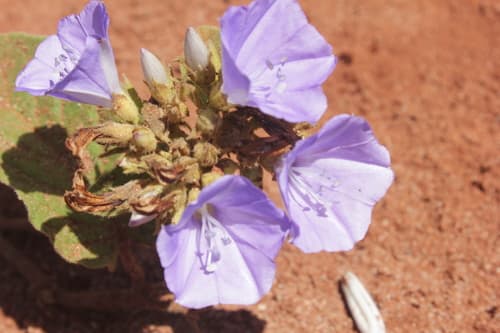
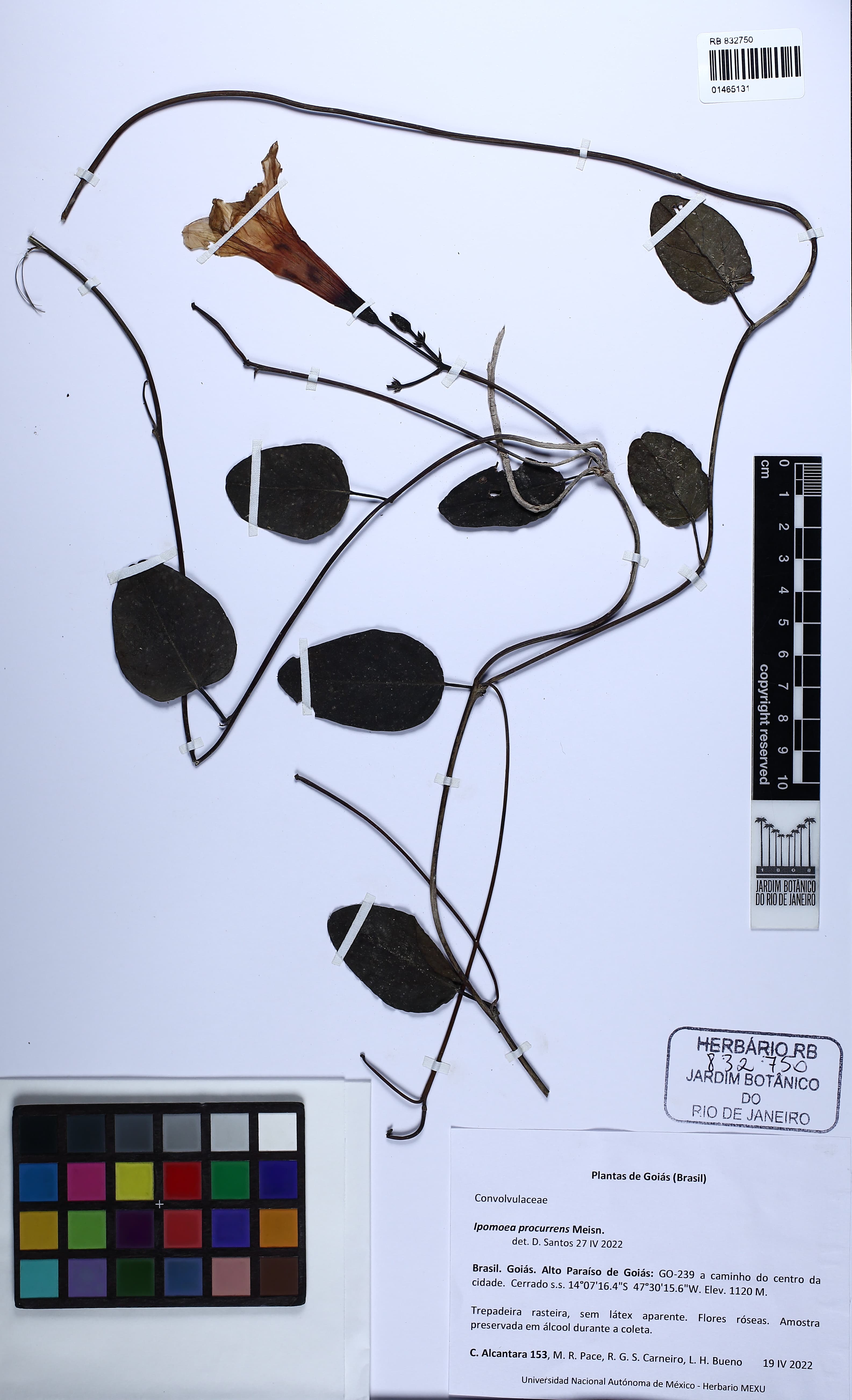
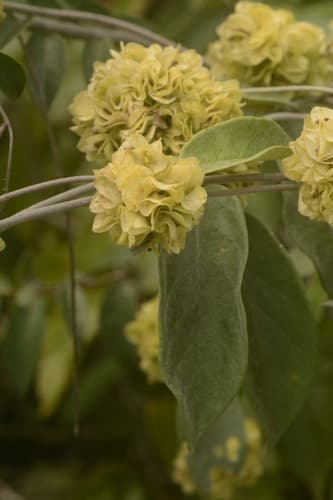
A woody liana or climber native to tropical Africa, characterized by its distinctive clusters of papery, yellowish, ruffled bracts or persistent calyces. Its leaves are typically ovate to elliptic and often covered with fine hairs.