Solanum roseum
NameSolanum roseum
Scientific NameSolanum roseum
Common NamesJurubeba, Jurubeba-verdadeira, Jurubeba-branca
Plant FamilySolanaceae
Natural HabitatNative to tropical and subtropical regions of South America, particularly Brazil. It thrives in disturbed areas, pastures, roadsides, and secondary forests.
Parts Usedleaf,root,fruit,whole_plant
Medicinal Actionsanalgesic, anti-inflammatory, antimicrobial, antioxidant, astringent, carminative, diuretic
Traditional UsesTraditionally used in Brazilian folk medicine for liver and digestive disorders such as hepatitis, jaundice, dyspepsia, and indigestion. It is also employed as a diuretic, for fevers, and as a general tonic. Topically, it can be applied for various skin conditions.
Active Constituentssteroidal alkaloids, flavonoids, saponins, tannins, chlorogenic acid
Preparation Methodsinfusion, decoction, tincture
Contraindications & WarningsContraindicated during pregnancy and lactation, in children, and for individuals with severe liver disease or low blood pressure. Due to the presence of steroidal alkaloids, caution is advised as high doses can be toxic and cause gastrointestinal upset.
Cultivation NotesPrefers full sun to partial shade and well-drained soil, tolerating various soil types. It can be propagated by seed or cuttings and is relatively easy to grow in tropical and subtropical climates.
Raritycommon
Description
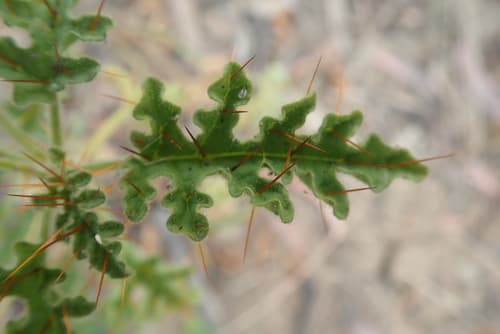
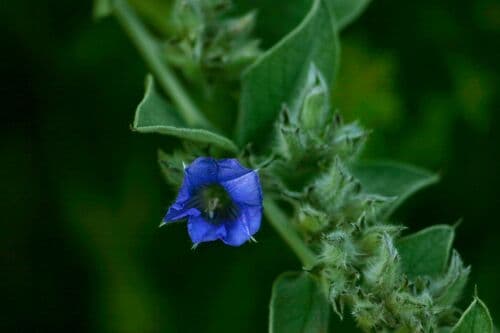
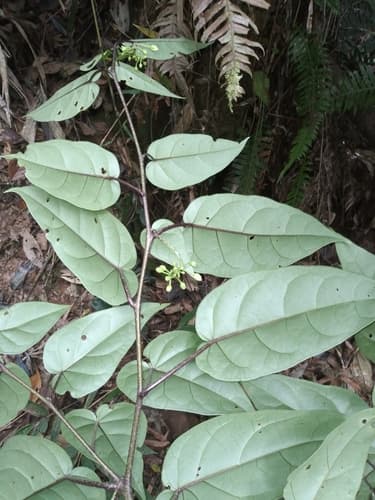
Solanum roseum, often considered a synonym for Solanum paniculatum, is a shrub or small tree typically growing 1-3 meters tall. It features simple, ovate to elliptic leaves, often lobed, and produces clusters of small, pale flowers followed by small, globose fruits.