Lycianthes sideroxyloides
NameLycianthes sideroxyloides
Scientific NameLycianthes sideroxyloides
Common NamesNone widely recognized
Plant FamilySolanaceae
Natural HabitatNative to tropical and subtropical regions, it thrives in moist forests, forest edges, clearings, and disturbed areas, particularly across Central and South America.
Parts Usedleaf,flower
Medicinal Actionsanti-inflammatory, analgesic, antimicrobial, antioxidant
Traditional UsesWhile specific ethnobotanical documentation for *Lycianthes sideroxyloides* is limited, other species within the *Lycianthes* genus and the broader Solanaceae family are traditionally used for their anti-inflammatory, analgesic, and antimicrobial properties, often applied topically for skin conditions or internally for pain and fevers.
Active Constituentssteroidal glycoalkaloids, flavonoids, saponins
Preparation Methodsinfusion, poultice
Contraindications & WarningsAs a member of the Solanaceae family, this plant may contain steroidal alkaloids that can be toxic if ingested in large quantities. Caution is advised, and use should be avoided without expert guidance due to potential adverse effects and lack of specific safety data.
Cultivation NotesPrefers warm, humid climates with well-drained, fertile soil. Requires partial shade to full sun and consistent moisture. Can be propagated by seed or cuttings.
Raritycommon
Description
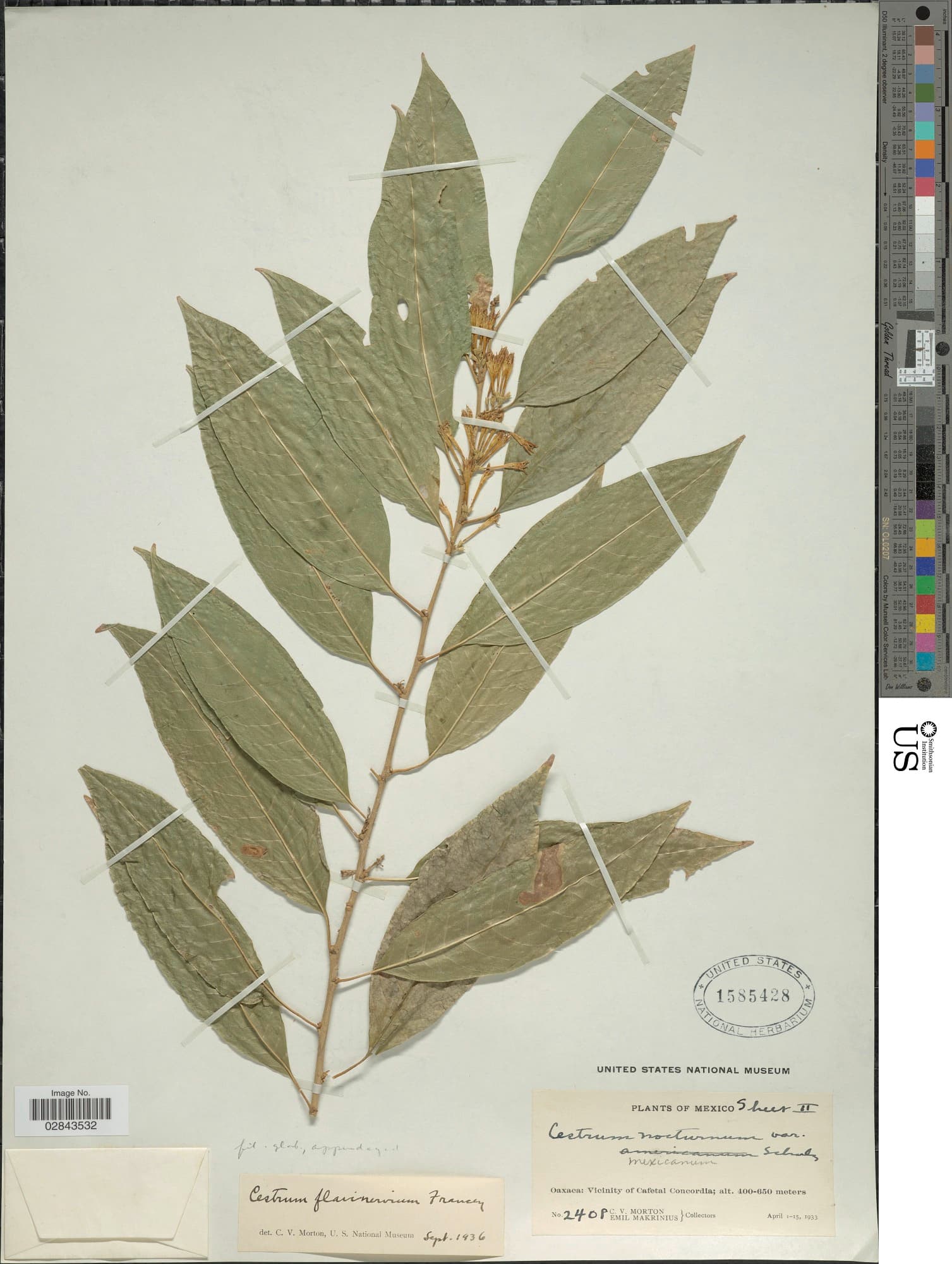
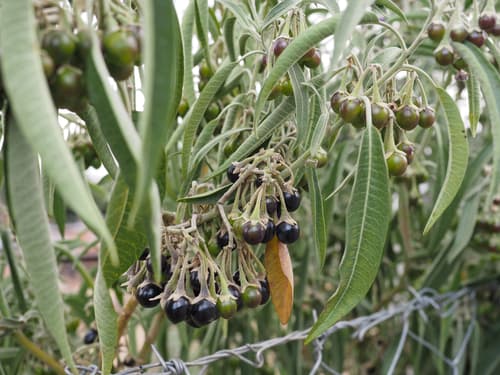
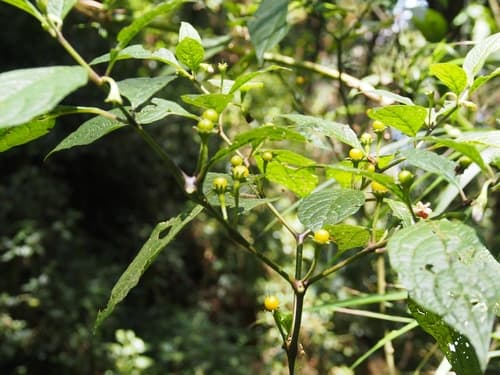
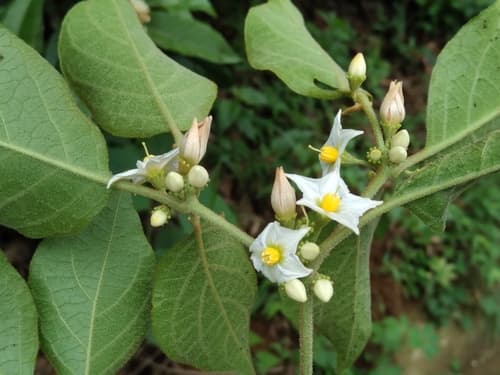
This plant is typically a shrub or small tree, characterized by simple, alternate, ovate leaves with entire margins, often exhibiting a slightly pubescent texture. Its distinctive white, star-shaped flowers feature five fused petals and prominent yellow anthers, appearing solitary or in small clusters in the leaf axils.