Solanum hirtulum
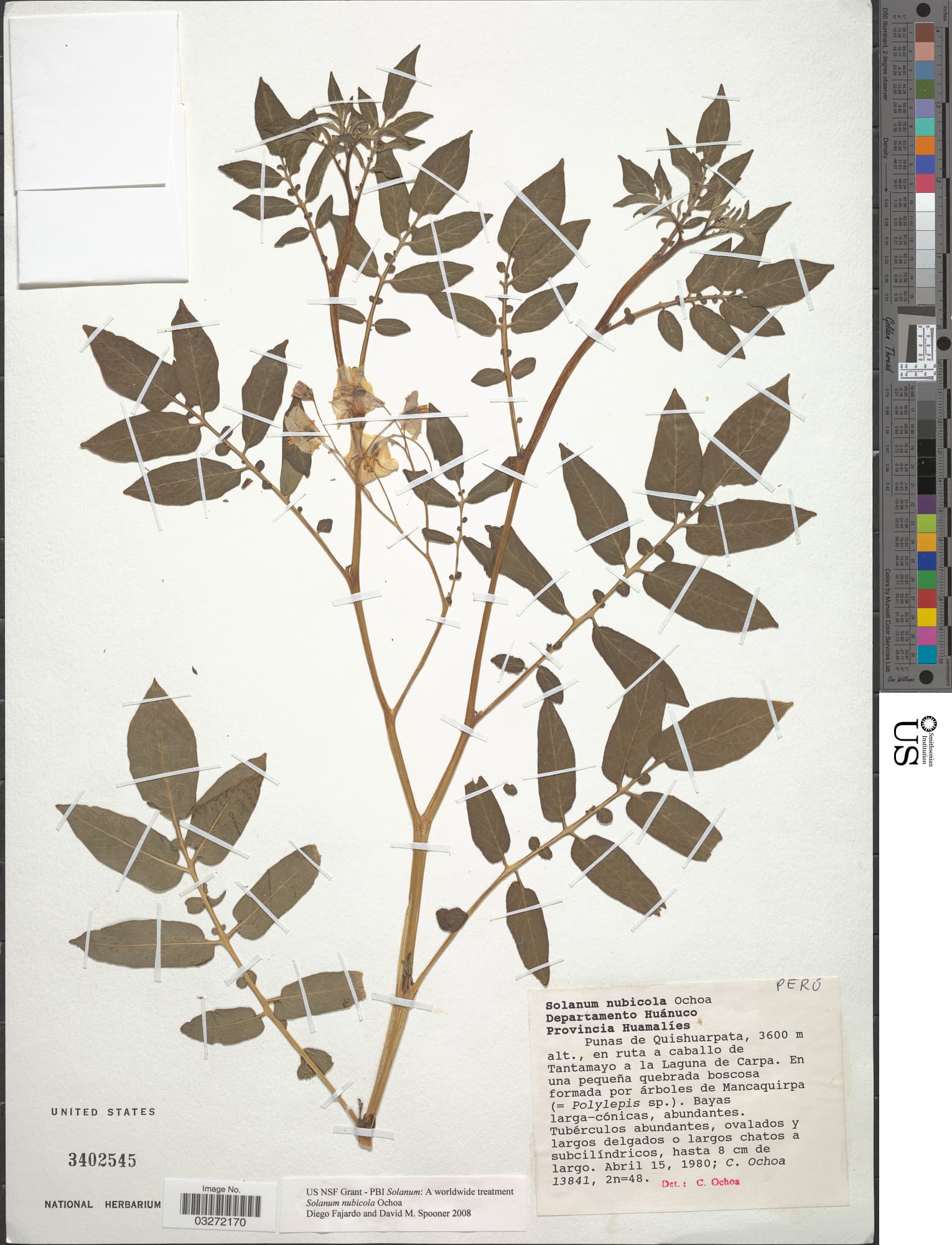
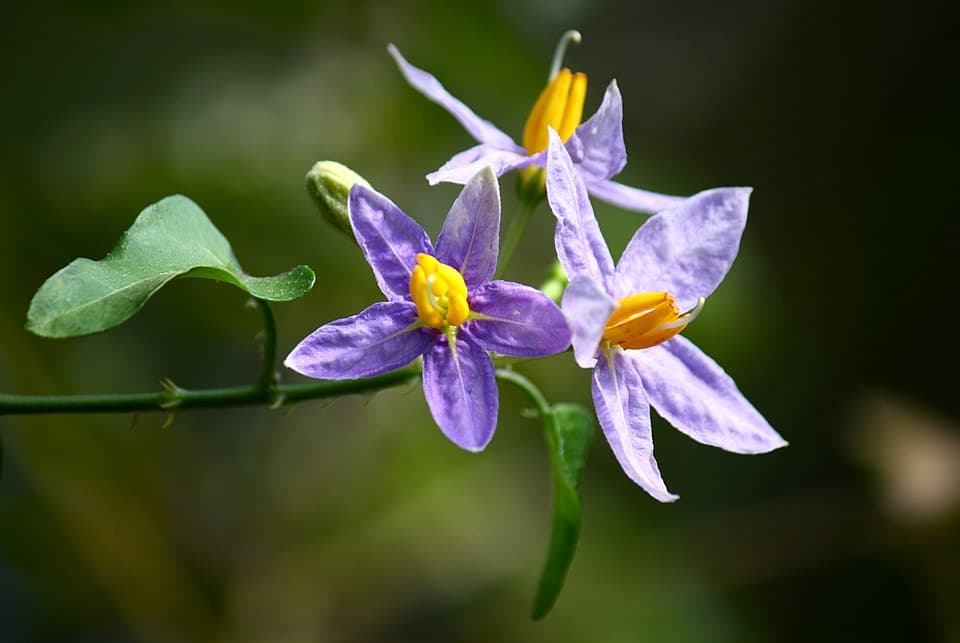
Image: Royal Botanic Garden Edinburgh (cc0)
NameSolanum hirtulum
Scientific NameSolanum hirtulum Steud. ex Dunal
Common NamesHairy Nightshade
Plant FamilySolanaceae
Natural HabitatNative to East Africa, including Ethiopia, Eritrea, and Sudan. It commonly grows in disturbed areas such as cultivated fields, roadsides, and open grasslands.
Parts Usedleaf,fruit,whole_plant
Medicinal Actionsanti-inflammatory, analgesic, antimicrobial
Traditional UsesTraditionally, some Solanum species, including those with similar characteristics to S. hirtulum, have been used in folk medicine for treating skin ailments, reducing pain, and managing fevers. Specific uses for S. hirtulum are not extensively documented, but general Solanum applications often involve external poultices or highly diluted internal preparations.
Active Constituentssteroidal glycoalkaloids, solanine, solamargine, phenolic compounds
Preparation Methodsinfusion, decoction, poultice
Contraindications & WarningsDue to the presence of potentially toxic steroidal glycoalkaloids, especially in unripe fruits, all parts of the plant should be used with extreme caution. It is contraindicated for pregnant or breastfeeding women, young children, and individuals with liver or kidney conditions. Ingestion can cause gastrointestinal upset and neurological symptoms.
Cultivation NotesThis species prefers full sun to partial shade and well-drained soil. It is generally hardy and can tolerate various soil types, often growing as a weed in disturbed agricultural areas. Propagation is typically by seed.
Raritycommon
Description
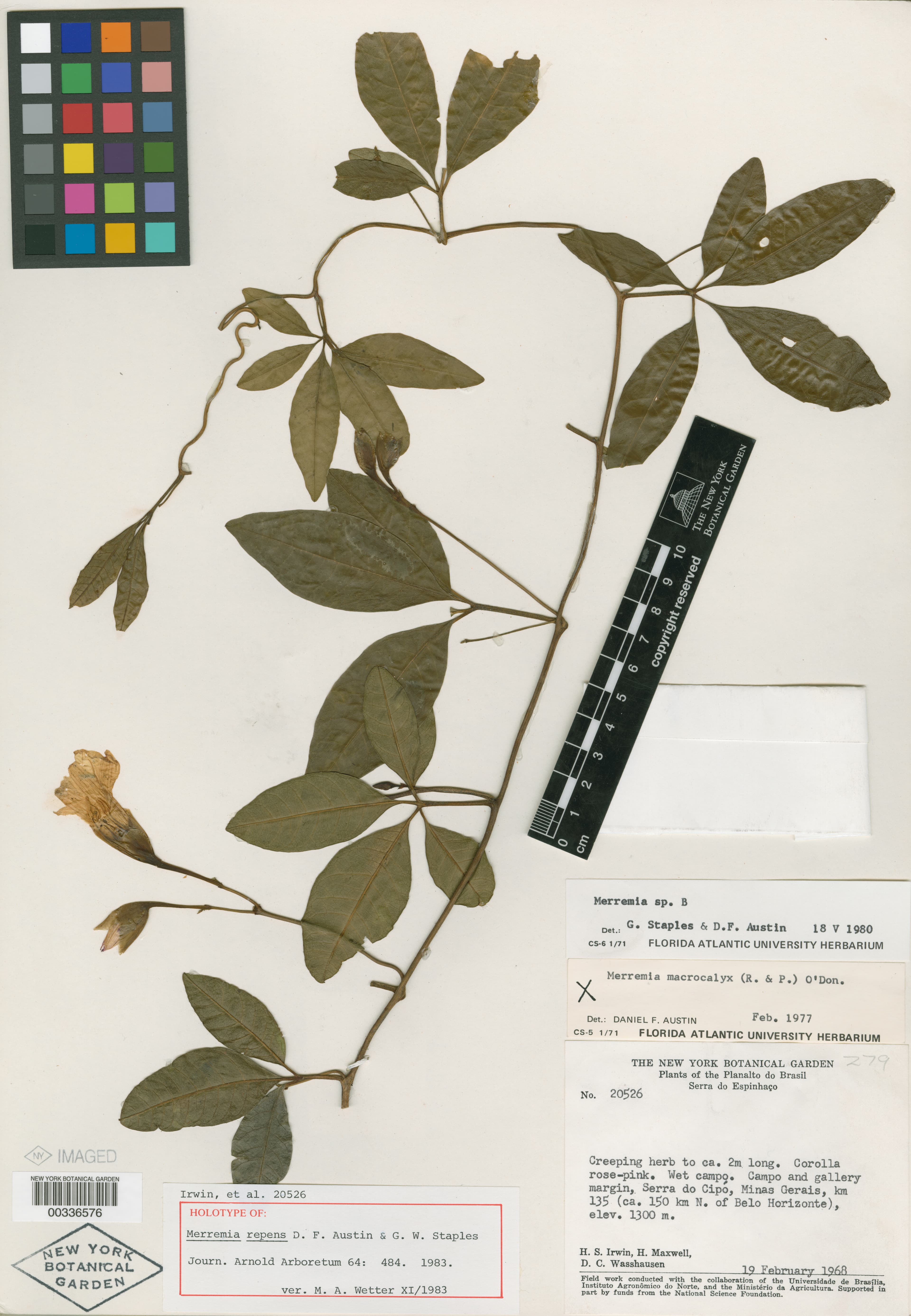
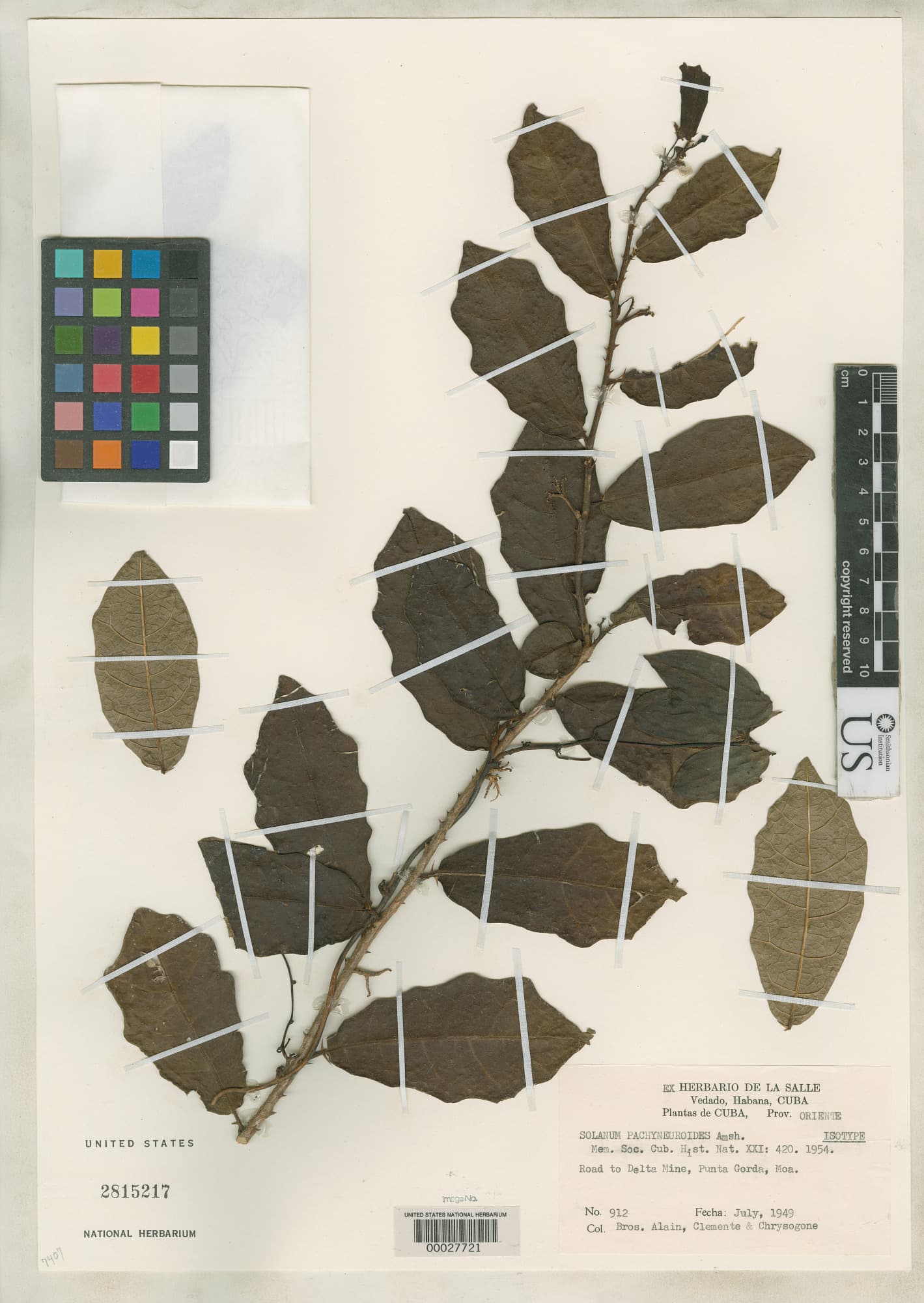
Solanum hirtulum is an annual or perennial herbaceous plant characterized by its hairy (hirtulous) stems and leaves. It typically bears simple, ovate to lanceolate leaves and produces small flowers that develop into berries.