Costmary
NameCostmary
Scientific NameBalsamita major
Common NamesCostmary, Alecost, Bible Leaf, Mint Geranium, Our Lady's Mint
Plant FamilyAsteraceae
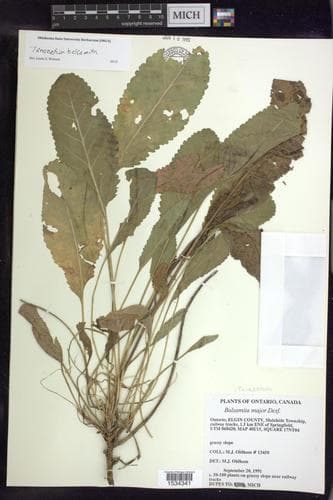
Natural HabitatNative to Eurasia, Costmary is often found naturalized in temperate regions, growing in disturbed areas, old gardens, roadsides, and grassy slopes. It prefers full sun to partial shade and well-drained soil. The specimen was collected on a grassy slope near railway tracks in Ontario, Canada.
Parts Usedleaf,flower,whole_plant
Medicinal Actionsanti-inflammatory, carminative, astringent, antimicrobial
Traditional UsesTraditionally, Costmary leaves have been used internally for digestive complaints such as indigestion, flatulence, and stomach cramps, often prepared as an infusion. It was also used as a tonic and for menstrual issues. Externally, it has been applied as a poultice for bruises, sprains, and skin irritations due to its astringent and anti-inflammatory properties. The leaves were also historically used as a bookmark in Bibles, hence 'Bible Leaf,' for their pleasant scent.
Active ConstituentsSesquiterpene lactones, flavonoids, essential oils (including carvone, thujone, camphor, chrysanthenyl acetate)
Preparation Methodsinfusion, poultice, tincture
Contraindications & WarningsDue to the presence of thujone in some chemotypes, excessive internal use is not recommended, especially for pregnant or breastfeeding women, or individuals with seizure disorders. Skin irritation may occur in sensitive individuals with topical application.
Cultivation NotesCostmary is a hardy perennial that thrives in full sun to partial shade and well-drained soil. It is drought-tolerant once established and can spread aggressively via rhizomes, so it's best to plant it where its spread can be managed. Propagated by division or seed.
Raritycommon
Description
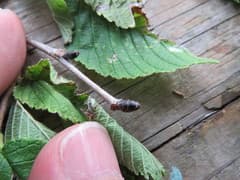
Costmary is a perennial herb characterized by its large, oblong-elliptic basal leaves with serrated margins, often appearing somewhat leathery or textured. The plant typically forms a basal rosette from which flowering stems emerge, though flowers are not visible in this specimen. It has a distinctive minty-balsamic fragrance.