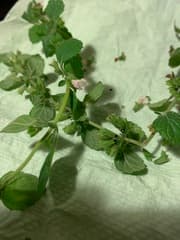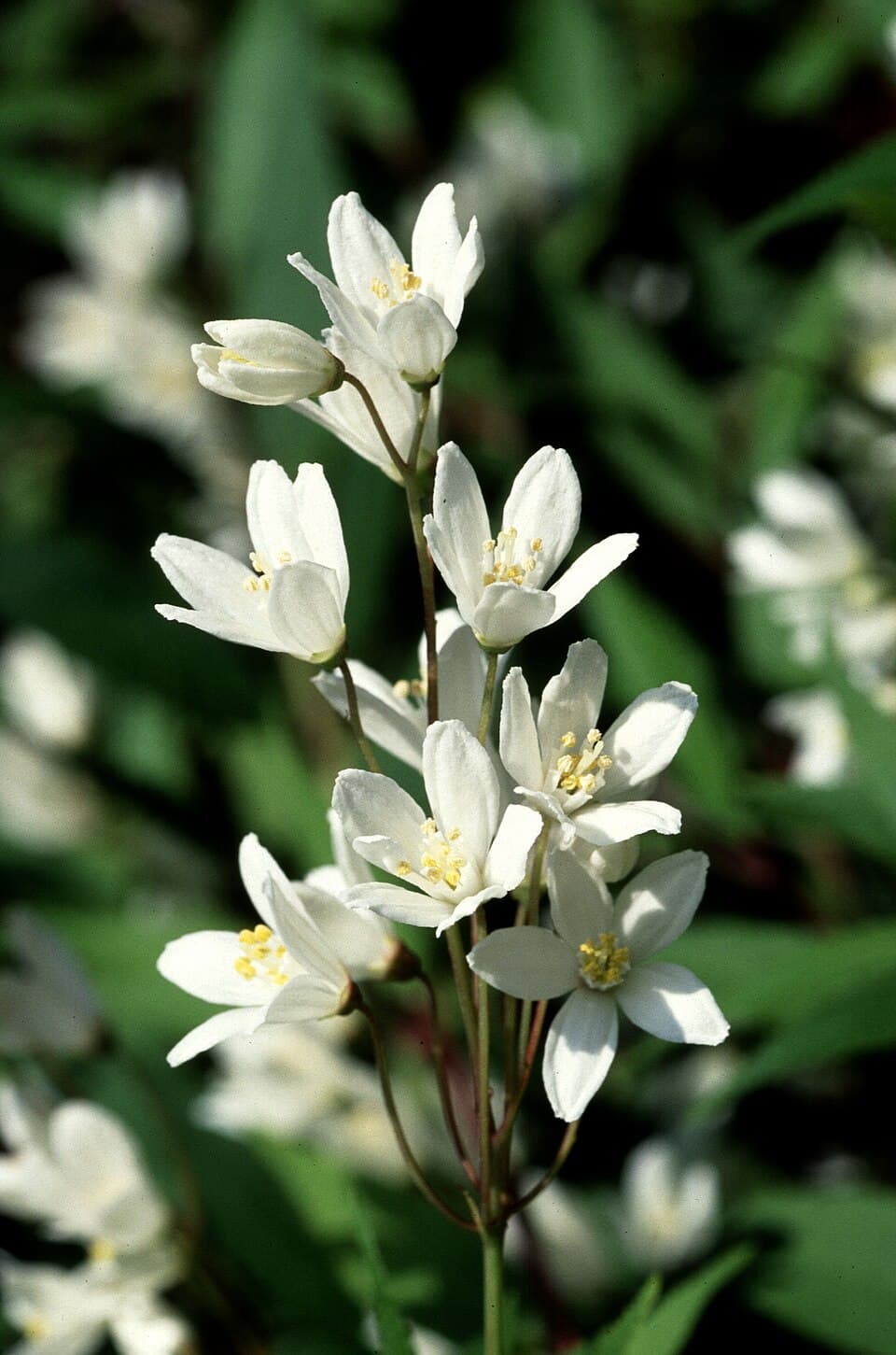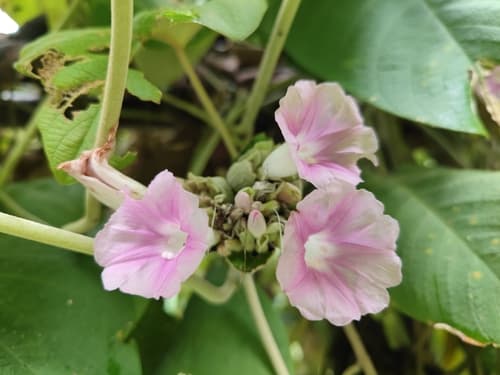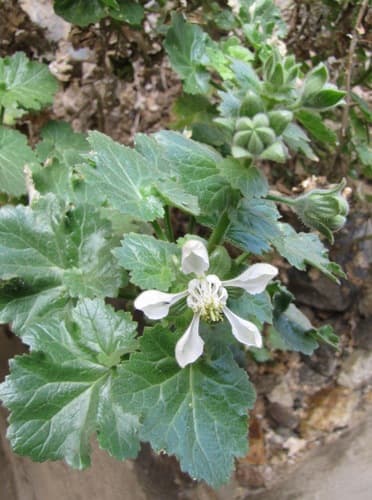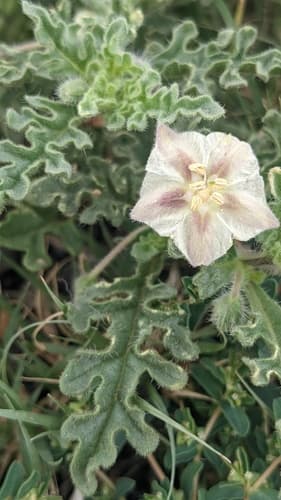
gray five-eyes
Namegray five-eyes
Scientific NameChamaesaracha coniodes
Common NamesGray Five-eyes, Hairy Chamaesaracha, False Nightshade
Plant FamilySolanaceae
Natural HabitatThis plant is native to arid and semi-arid regions of the southwestern United States and northern Mexico, often found in grasslands, open woodlands, disturbed areas, and rocky soils. It thrives in full sun and well-drained conditions.
Parts Usedwhole_plant
Medicinal Actionsanti-inflammatory, analgesic
Traditional UsesTraditional medicinal uses for Chamaesaracha coniodes are not widely documented and it is generally considered potentially toxic. Some related Chamaesaracha species were historically used by Native American tribes in external poultices for skin sores, swellings, or pain, but internal use is not recommended due to the presence of solanaceous alkaloids.
Active Constituentssteroidal alkaloids
Preparation Methodspoultice
Contraindications & WarningsAll parts of Chamaesaracha coniodes are considered potentially toxic, especially if ingested, due to the presence of solanaceous alkaloids. Symptoms of poisoning can include nausea, vomiting, diarrhea, dizziness, and neurological effects. It should not be used internally, and external use should be approached with extreme caution and under expert guidance.
Cultivation NotesChamaesaracha coniodes prefers full sun and well-drained, sandy or rocky soils. It is drought-tolerant once established and requires minimal watering. It can be propagated by seed.
Raritycommon
Description
Chamaesaracha coniodes is a low-growing perennial herb characterized by its densely hairy, grayish-green, deeply lobed leaves. It produces solitary, five-petaled flowers that are typically pale cream to white with a distinctive purplish-brown central blush.