Silky wood rose
NameSilky wood rose
Scientific NameArgyreia nervosa
Common NamesSilky Wood Rose, Hawaiian Baby Woodrose, Elephant Creeper, Woolly Morning Glory
Plant FamilyConvolvulaceae
Natural HabitatNative to the Indian subcontinent, this vine thrives in tropical and subtropical climates. It is often found in disturbed areas, forest edges, open woodlands, and along roadsides, preferring warm, humid conditions.
Parts Usedseed,leaf,root
Medicinal Actionsadaptogen, analgesic, anti-inflammatory, antioxidant, nervine, sedative
Traditional UsesIn traditional Ayurvedic medicine, the leaves and roots are used for their anti-inflammatory, analgesic, and adaptogenic properties, often applied topically for skin conditions, rheumatism, and internally for general debility and nervous disorders. The seeds are known for their entheogenic properties due to LSA content and have been used in some cultures for spiritual and ceremonial purposes.
Active ConstituentsErgine (LSA - Lysergic acid amide), isoergine, chanoclavine, elymoclavine, flavonoids, phenolic compounds, triterpenes, sterols
Preparation Methodsinfusion, decoction, powder, tincture
Contraindications & WarningsThe seeds are psychoactive and should be used with extreme caution or avoided, especially by pregnant or lactating individuals, those with liver or heart conditions, or psychiatric disorders. May interact with other medications, particularly psychoactive drugs, SSRIs, or MAOIs. Consult a healthcare professional before use.
Cultivation NotesThis vigorous vine prefers full sun to partial shade and well-drained soil. It requires a strong support structure for climbing and thrives in warm, humid environments. Propagation is typically by seeds or stem cuttings.
Raritycommon
Description
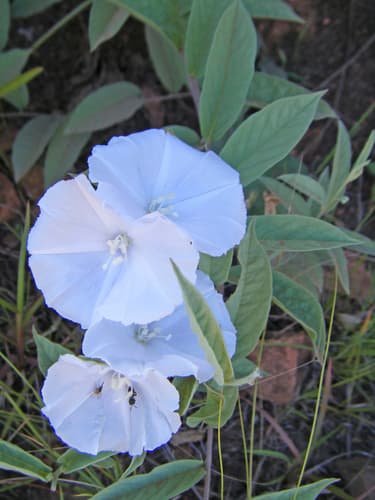
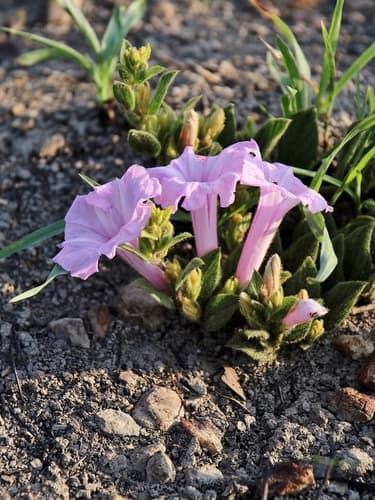
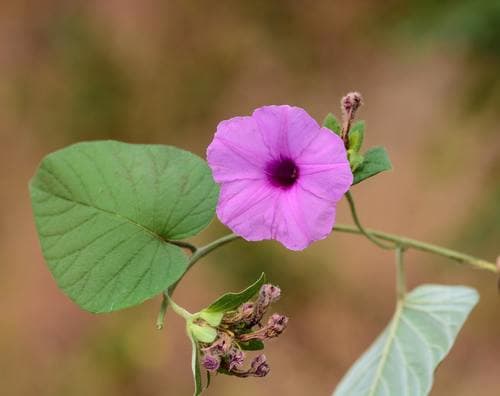
A robust, perennial climbing vine characterized by large, heart-shaped leaves that are green above and silvery-white and densely hairy underneath. It produces striking funnel-shaped, purplish-pink flowers and distinctive woody, rose-like seed pods.