Slippery Elm
NameSlippery Elm
Scientific NameUlmus rubra
Common NamesSlippery Elm, Red Elm, Moose Elm, Indian Elm
Plant FamilyUlmaceae
Natural HabitatIt thrives in moist uplands, slopes, and floodplains, typically found in rich, well-drained soils within forests and along riverbanks.
Parts Usedbark
Medicinal Actionsdemulcent, anti-inflammatory, astringent, expectorant
Traditional UsesTraditionally, the inner bark of Slippery Elm has been used to soothe sore throats, coughs, and various digestive issues such as gastritis, ulcers, and irritable bowel syndrome (IBS) due to its mucilaginous properties. It is also applied externally as a poultice for wounds, burns, and skin irritations.
Active ConstituentsMucilage (polysaccharides), tannins, calcium, iron, magnesium, manganese, phosphorus, potassium, zinc, vitamins B1, vitamins B2, vitamins B3, vitamin C
Preparation Methodsinfusion, decoction, powder, poultice
Contraindications & WarningsSlippery Elm's mucilage can interfere with the absorption of other medications if taken simultaneously; it is advisable to take it a few hours before or after other drugs. Generally considered safe, but pregnant or breastfeeding individuals should consult a healthcare professional.
Cultivation NotesPrefers full sun to partial shade and moist, well-drained soil. While relatively fast-growing, it is highly susceptible to Dutch Elm Disease, which has significantly impacted its populations.
Rarityuncommon
Description
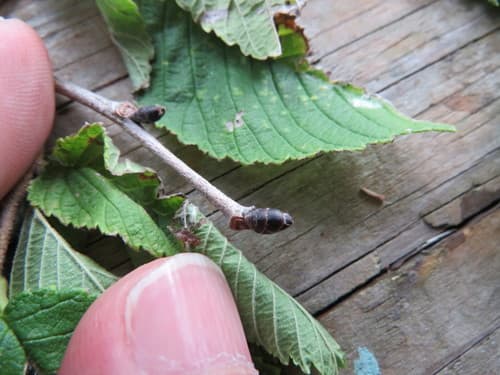
Slippery Elm is a medium-sized deciduous tree native to eastern North America, characterized by its rough, dark brown bark and distinctive mucilaginous inner bark. Its leaves are alternate, simple, and doubly serrated, often feeling rough to the touch.