Cornus schindleri
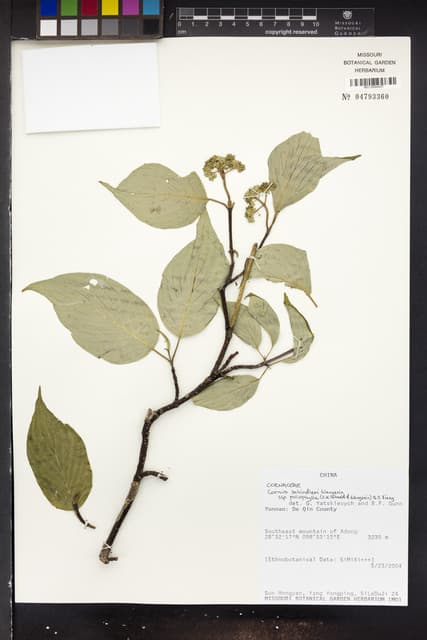
Image: MBG (cc-by-nc)
NameCornus schindleri
Scientific NameCornus schindleri Wangerin
Plant FamilyCornaceae
Natural HabitatNative to mountainous regions of Yunnan, China, specifically found at high altitudes around 3230 meters on the southeast mountain of Adong. It thrives in temperate, high-elevation environments.
Parts Usedbark,fruit
Medicinal Actionsastringent, anti-inflammatory, antimicrobial
Traditional UsesWhile specific traditional uses for *Cornus schindleri* are not detailed in the provided data, other species within the *Cornus* genus are traditionally used in Chinese medicine for their astringent properties. They are often employed to treat conditions like diarrhea, dysentery, and fevers, with the bark and fruit being the primary parts utilized.
Active Constituentstannins, iridoids, flavonoids
Preparation Methodsdecoction, infusion, powder
Contraindications & WarningsDue to the potential presence of high tannin content, excessive consumption may cause gastrointestinal upset in sensitive individuals. Specific contraindications for *Cornus schindleri* are not well-documented.
Cultivation NotesThis species likely prefers high-altitude, mountainous environments with well-drained soil and a temperate climate. Specific cultivation requirements are not detailed in the provided information.
Rarityuncommon
Description
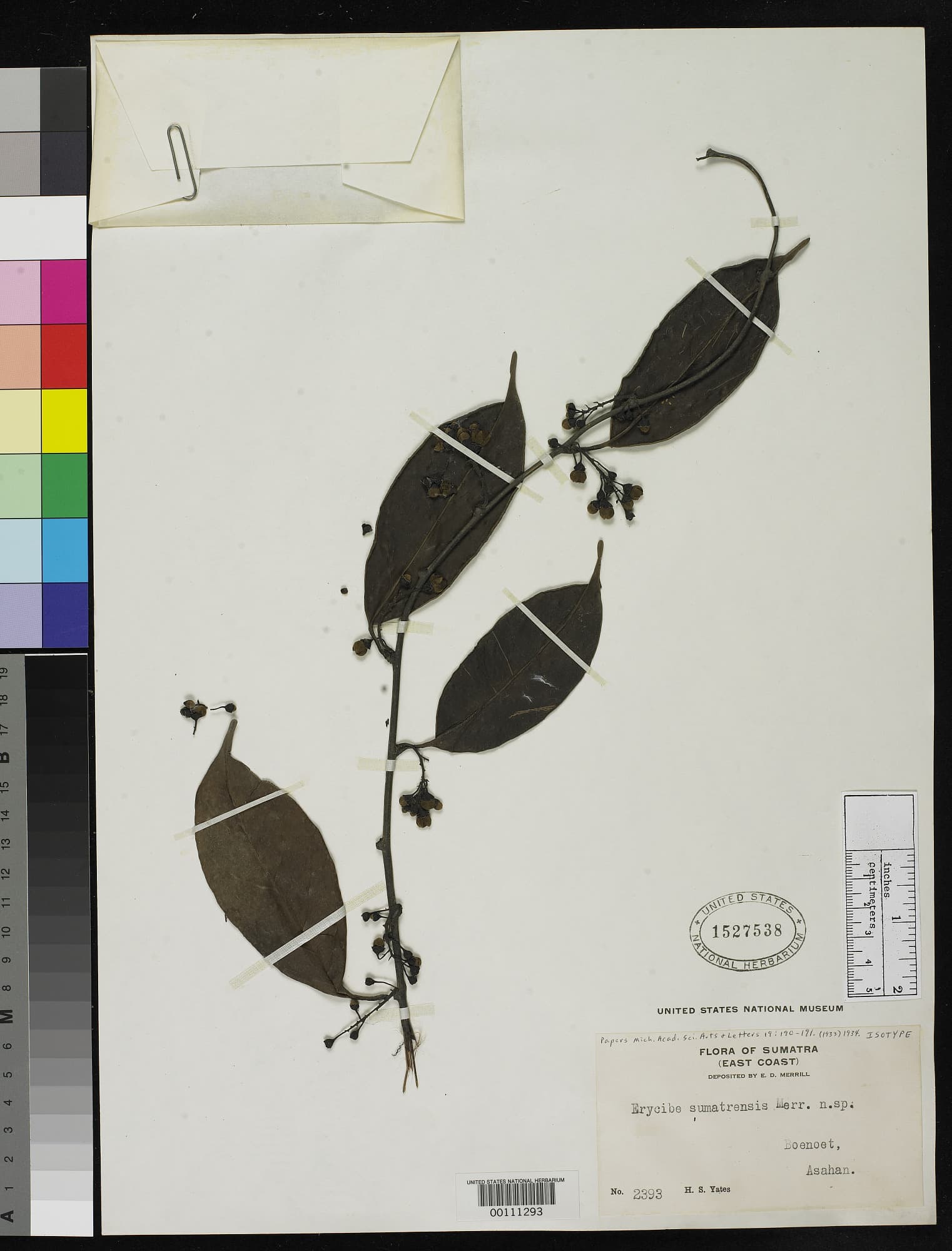
A woody plant characterized by simple, opposite, ovate to elliptic leaves with prominent venation and entire margins. It produces terminal inflorescences composed of small, clustered flowers. The specimen displays a branch with mature leaves and dried flower clusters.