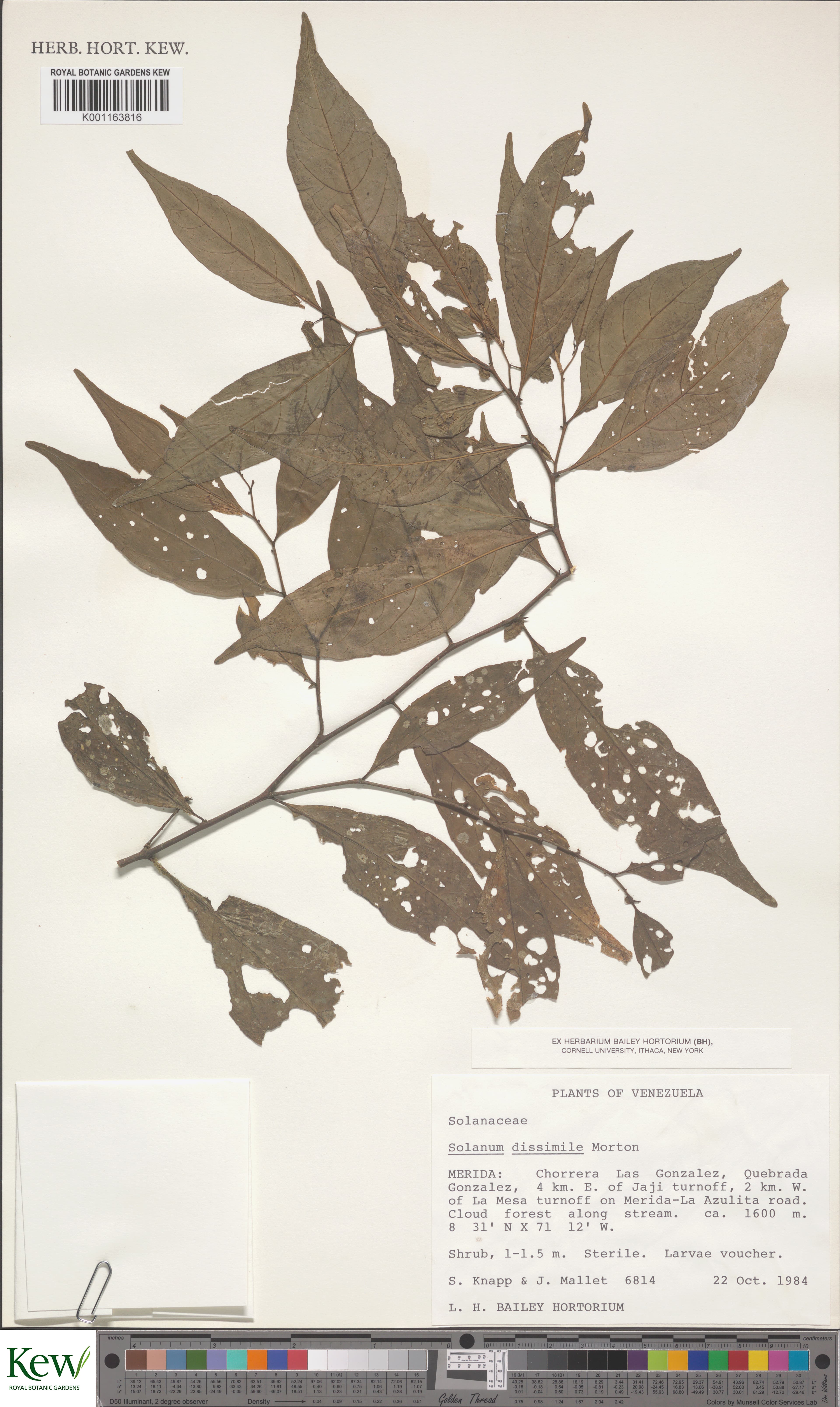
Happy tree
NameHappy tree
Scientific NameCamptotheca acuminata
Common NamesHappy Tree, Cancer Tree, Tree of Life, Xi Shu
Plant FamilyNyssaceae
Natural HabitatNative to moist, fertile soils along stream banks, forest margins, and open woodlands in central and southern China.
Parts Usedbark,fruit,leaf,seed
Medicinal Actionsantimicrobial, anti-inflammatory, antioxidant
Traditional UsesTraditionally, the Happy Tree has been used in Chinese medicine for its potent anti-tumor properties, particularly in treating various cancers, psoriasis, and liver diseases. Extracts from the bark and fruit were historically prepared for these purposes.
Active ConstituentsCamptothecin, 10-hydroxycamptothecin
Preparation Methodsdecoction, powder, tincture
Contraindications & WarningsThis plant is highly toxic and should not be used for self-medication. It can cause severe side effects including gastrointestinal distress, myelosuppression (bone marrow suppression), and hair loss. It is strictly contraindicated in pregnancy and lactation.
Cultivation NotesPrefers full sun to partial shade and requires moist, well-drained, fertile soil. It is a relatively fast-growing tree that can adapt to a range of soil types once established.
Rarityuncommon
Description
A deciduous tree native to central and southern China, typically growing up to 20 meters tall. It is characterized by its alternate, ovate leaves and distinctive clusters of elongated, banana-shaped fruits.