Brunfelsia rupestris
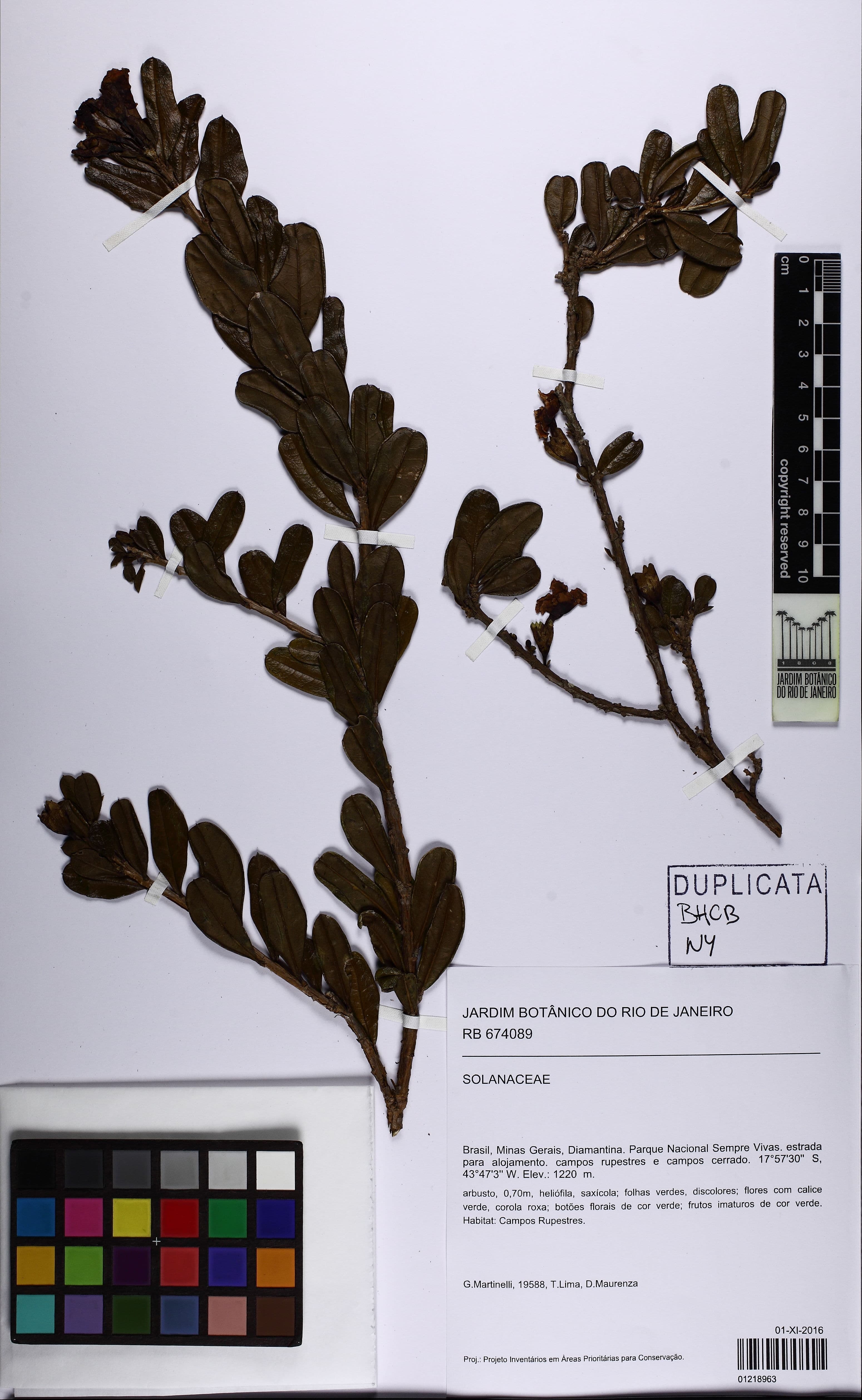
Image: G. Martinelli; T.Lima, D.Maurenza (cc-by)
NameBrunfelsia rupestris
Scientific NameBrunfelsia rupestris Plowman
Common NamesManaca
Plant FamilySolanaceae
Natural HabitatNative to Brazil, specifically found in Minas Gerais, Diamantina, within the Parque Nacional Sempre Vivas. It thrives in rupestrian fields (campos rupestres) and cerrado environments at an elevation of 1220m.
Parts Usedroot,bark,leaf
Medicinal Actionsanalgesic, anti-inflammatory, nervine, sedative
Traditional UsesTraditionally, species of Brunfelsia, including potentially B. rupestris, have been used in South American folk medicine for treating rheumatism, fevers, syphilis, and snake bites. It is also noted for its purgative and psychoactive properties in some indigenous practices.
Active ConstituentsBrunfelsamidine, Scopoletin, Alkaloids, Coumarins
Preparation Methodsdecoction, tincture
Contraindications & WarningsAll parts of Brunfelsia rupestris are considered toxic, especially the roots. Ingestion can cause severe symptoms including nausea, vomiting, dizziness, tremors, and paralysis. It is contraindicated for pregnant or nursing women, children, and individuals with heart conditions. Use only under strict expert supervision.
Cultivation NotesThis heliophile, saxicolous shrub prefers tropical to subtropical climates with well-drained, rocky soils. It can tolerate full sun but may benefit from partial shade in intense heat.
Rarityuncommon
Description
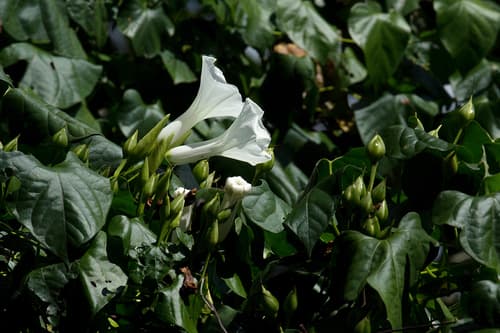
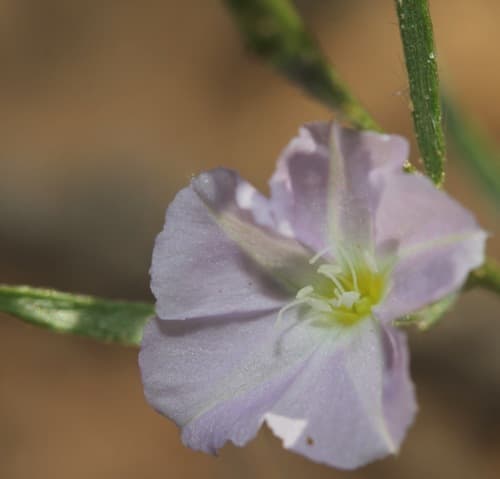
Brunfelsia rupestris is a shrub growing up to 0.70m tall, characterized by green, discolored leaves. Its flowers feature a green calyx and a purple corolla, with green floral buds and immature green fruits. It is a heliophile and saxicolous plant.