coriaceus cestrum
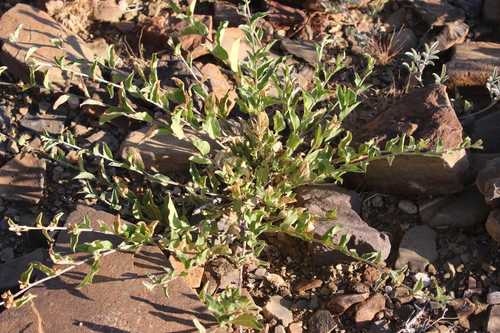
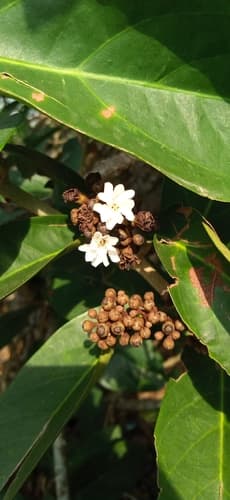
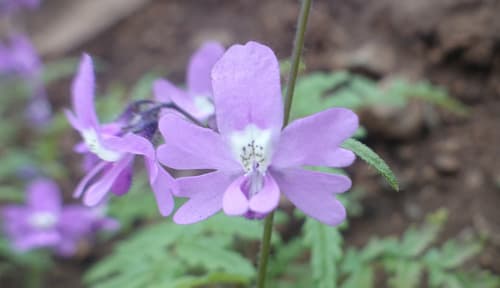
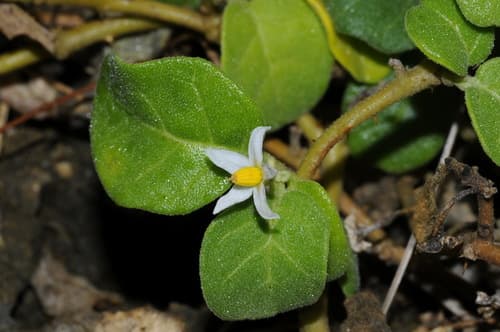
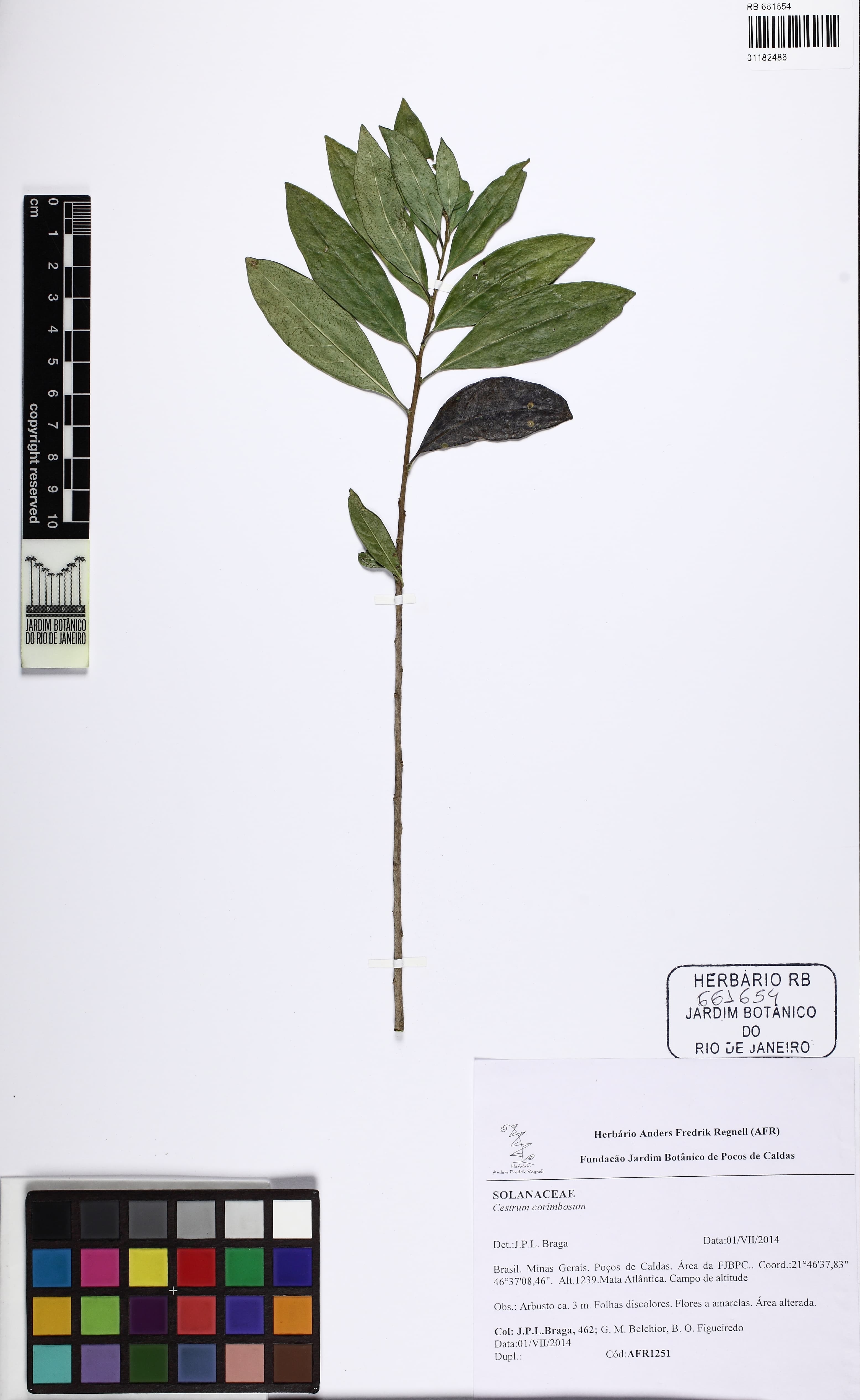
Image: J.P.L. Braga; G.M. Belchior; B.O. Figueiredo (cc-by)
Namecoriaceus cestrum
Scientific NameCestrum coriaceum
Plant FamilySolanaceae
Natural HabitatNative to Brazil, specifically found in the state of Minas Gerais, in the region of Poços de Caldas. It thrives in the Atlantic Forest biome, particularly in high-altitude grasslands and altered areas.
Parts Usedleaf,flower
Traditional UsesNo specific traditional medicinal uses are detailed for Cestrum coriaceum in the provided information.
Contraindications & WarningsMany species within the Cestrum genus are known to be toxic due to the presence of steroidal saponins and alkaloids. While specific contraindications for Cestrum coriaceum are not detailed, ingestion of any part of the plant should be avoided due to potential toxicity, which can cause gastrointestinal and neurological symptoms.
Cultivation NotesThis shrub grows to about 3 meters and is found in high-altitude grasslands and altered areas, suggesting adaptability to various conditions. It prefers tropical or subtropical climates and well-drained soil.
Rarityuncommon
Description
Cestrum coriaceum is a shrub reaching approximately 3 meters in height. It is characterized by its discolored leaves and yellowish flowers, often found in disturbed or altered habitats.