Shiny Dodder
NameShiny Dodder
Scientific NameCuscuta gronovii
Common NamesShiny Dodder, Common Dodder, Swamp Dodder, Gronovius' Dodder
Plant FamilyConvolvulaceae
Natural HabitatFound in moist, disturbed areas, wetlands, and along stream banks, parasitizing a wide range of herbaceous and woody plants.
Parts Usedwhole_plant,seed
Medicinal Actionsadaptogen, antioxidant, diuretic
Traditional UsesWhile *Cuscuta gronovii* is not as extensively documented in Western herbalism, other *Cuscuta* species (like *C. chinensis* in Traditional Chinese Medicine) are traditionally used to tonify kidney and liver, strengthen essence, and improve vision. They are employed for conditions such as impotence, premature ejaculation, frequent urination, lower back pain, and blurred vision.
Active Constituentsflavonoids, lignans, polysaccharides, saponins
Preparation Methodsinfusion, decoction, powder
Contraindications & WarningsGenerally advised against during pregnancy and for individuals with yin deficiency with heat signs. Due to its parasitic nature and potential interactions, consultation with a healthcare professional is recommended.
Cultivation NotesAs a parasitic plant, it cannot be conventionally cultivated without a host. It germinates and then attaches to a suitable host plant, drawing nutrients directly from it.
Raritycommon
Description
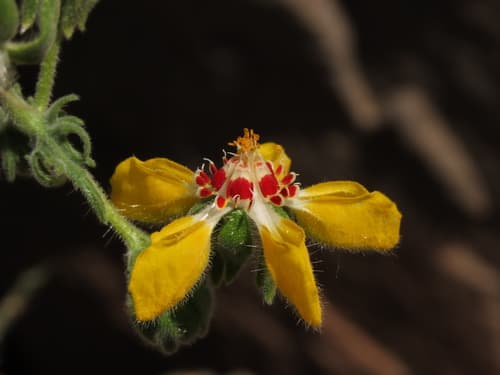
Shiny Dodder is a parasitic annual vine characterized by its slender, yellowish-orange, leafless stems that twine around host plants. It produces clusters of small, white, star-shaped flowers with prominent yellow anthers, as seen in the image.