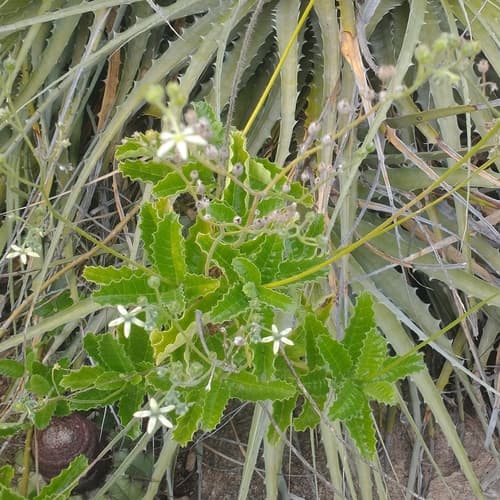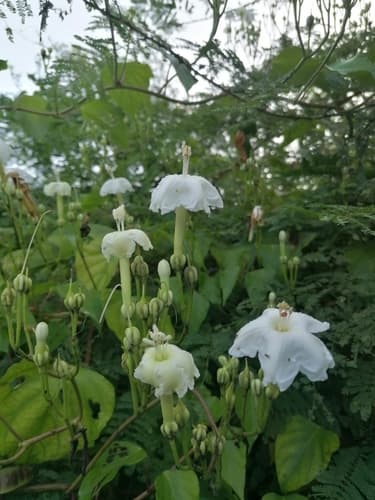
Macdonald's Morning Glory
NameMacdonald's Morning Glory
Scientific NameIpomoea macdonaldii
Common NamesMacdonald's Morning Glory, White Morning Glory
Plant FamilyConvolvulaceae
Natural HabitatThis species is native to parts of Central and South America, commonly found in disturbed areas, forest edges, and along roadsides, thriving in tropical and subtropical climates.
Parts Usedleaf,root
Medicinal Actionsanti-inflammatory, antioxidant
Traditional UsesWhile specific traditional medicinal uses for Ipomoea macdonaldii are not widely documented, other species within the Ipomoea genus are traditionally used for their purgative properties, to treat skin conditions, and have been investigated for anti-inflammatory and antioxidant effects. Any application of this specific species would be based on general genus properties and requires further research.
Active ConstituentsResin glycosides, Alkaloids, Phenolic compounds
Preparation Methodsinfusion, decoction
Contraindications & WarningsDue to the presence of potentially strong purgative compounds and other alkaloids common in the Ipomoea genus, caution is advised. Contraindications may include pregnancy, breastfeeding, gastrointestinal disorders, and concurrent use with other laxatives or medications affecting gut motility. Specific toxicity data for I. macdonaldii is limited, and internal use is not recommended without expert guidance.
Cultivation NotesIpomoea macdonaldii prefers full sun to partial shade and well-drained soil. As a vigorous climbing vine, it requires a trellis or other support structure for optimal growth. It is generally propagated by seed or cuttings and thrives in warm, humid conditions.
Rarityuncommon
Description
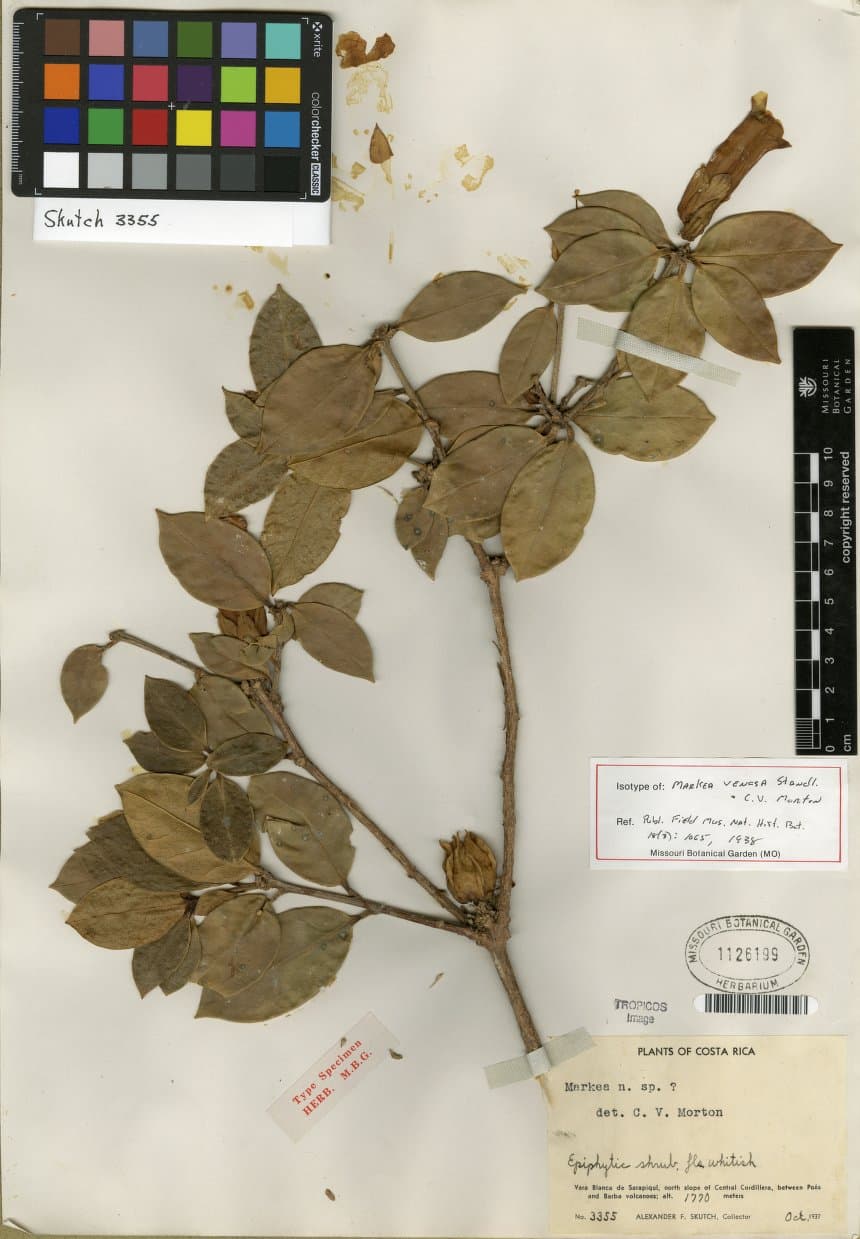
Ipomoea macdonaldii is a climbing perennial vine characterized by its large, heart-shaped to ovate leaves and striking white, trumpet-shaped flowers. The flowers typically feature a long, slender tube before flaring into a wide corolla, often appearing to open at dusk or dawn.