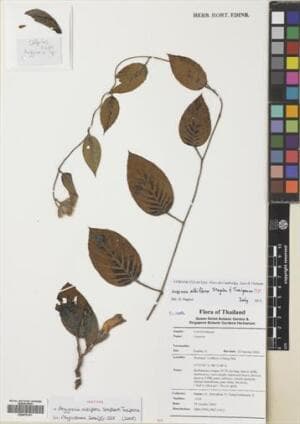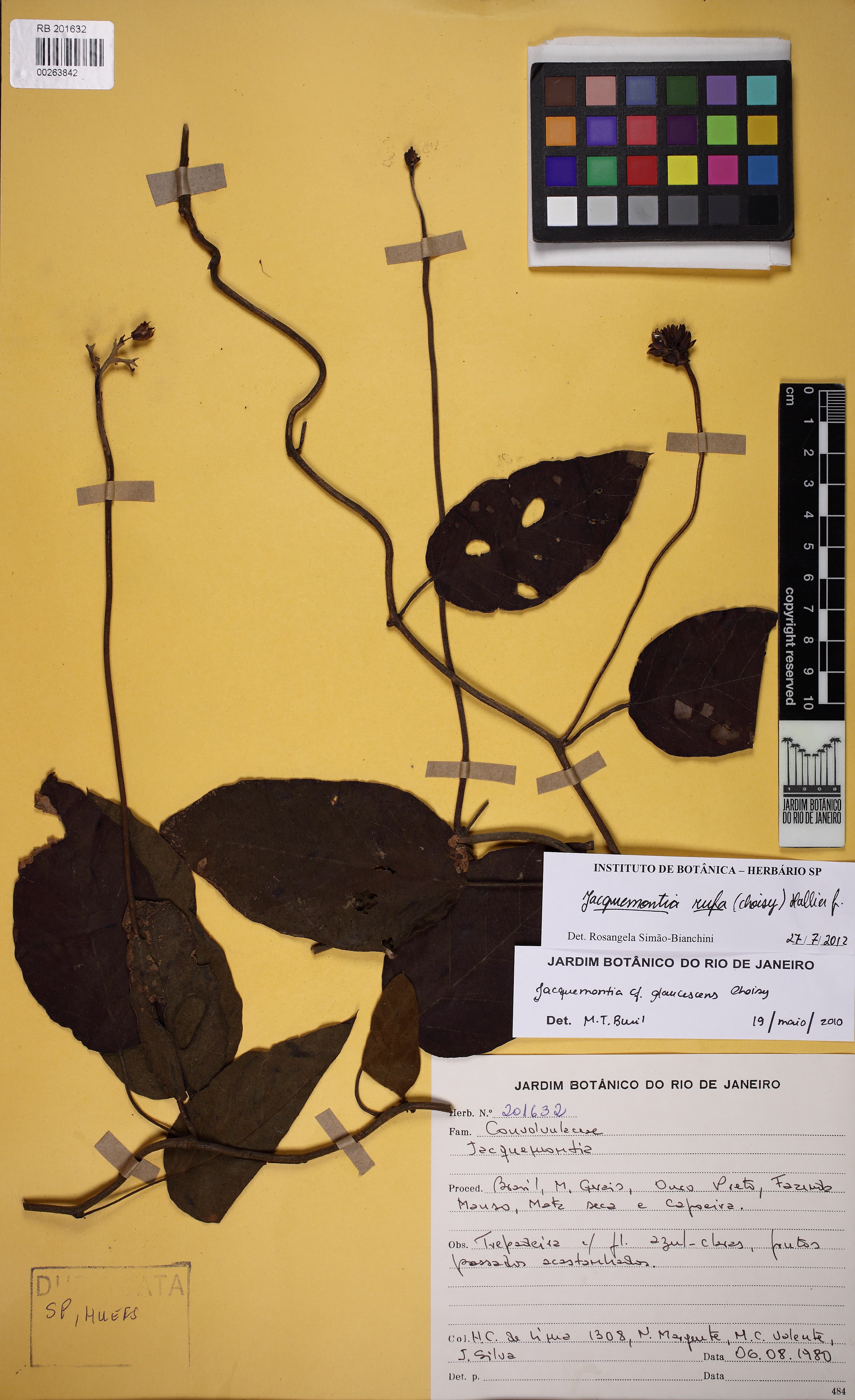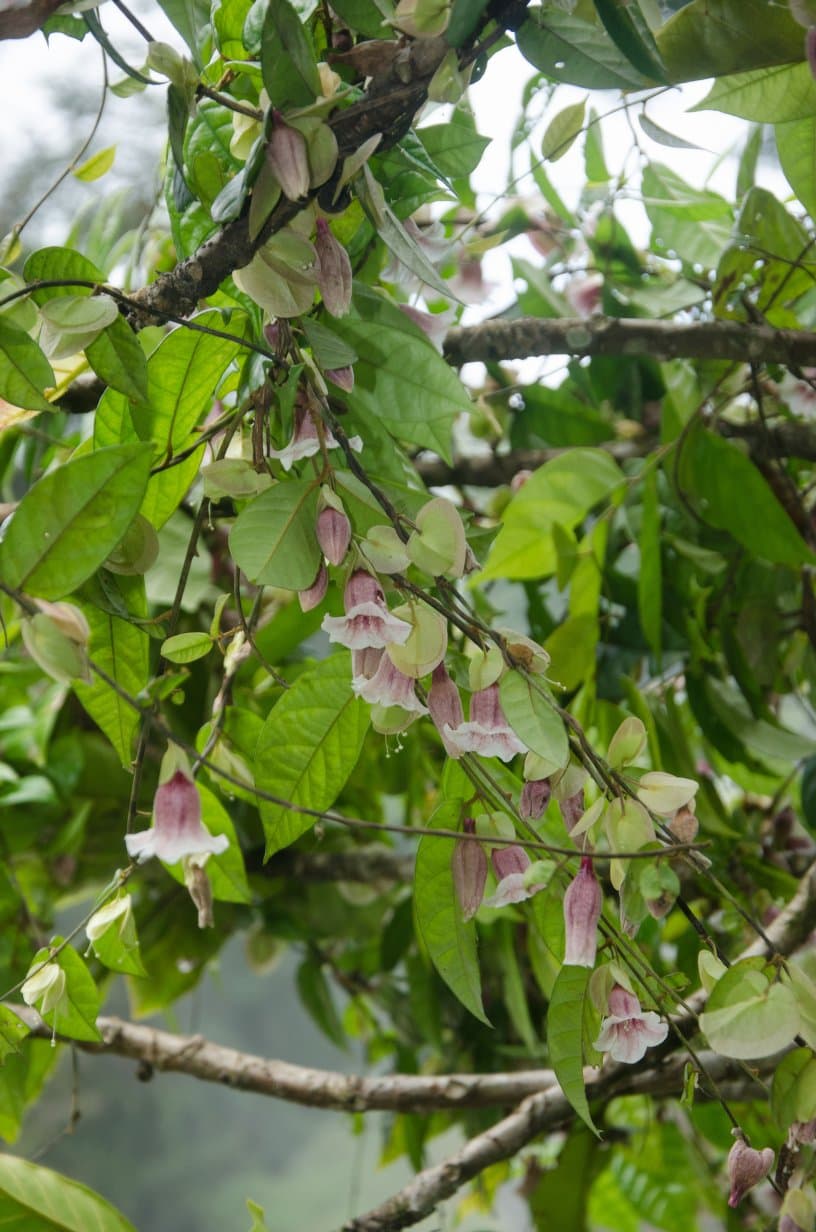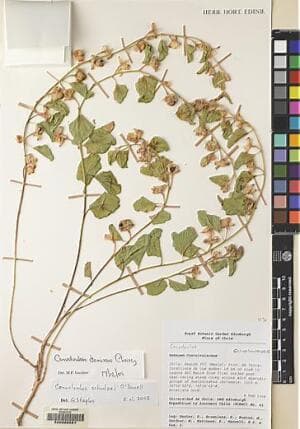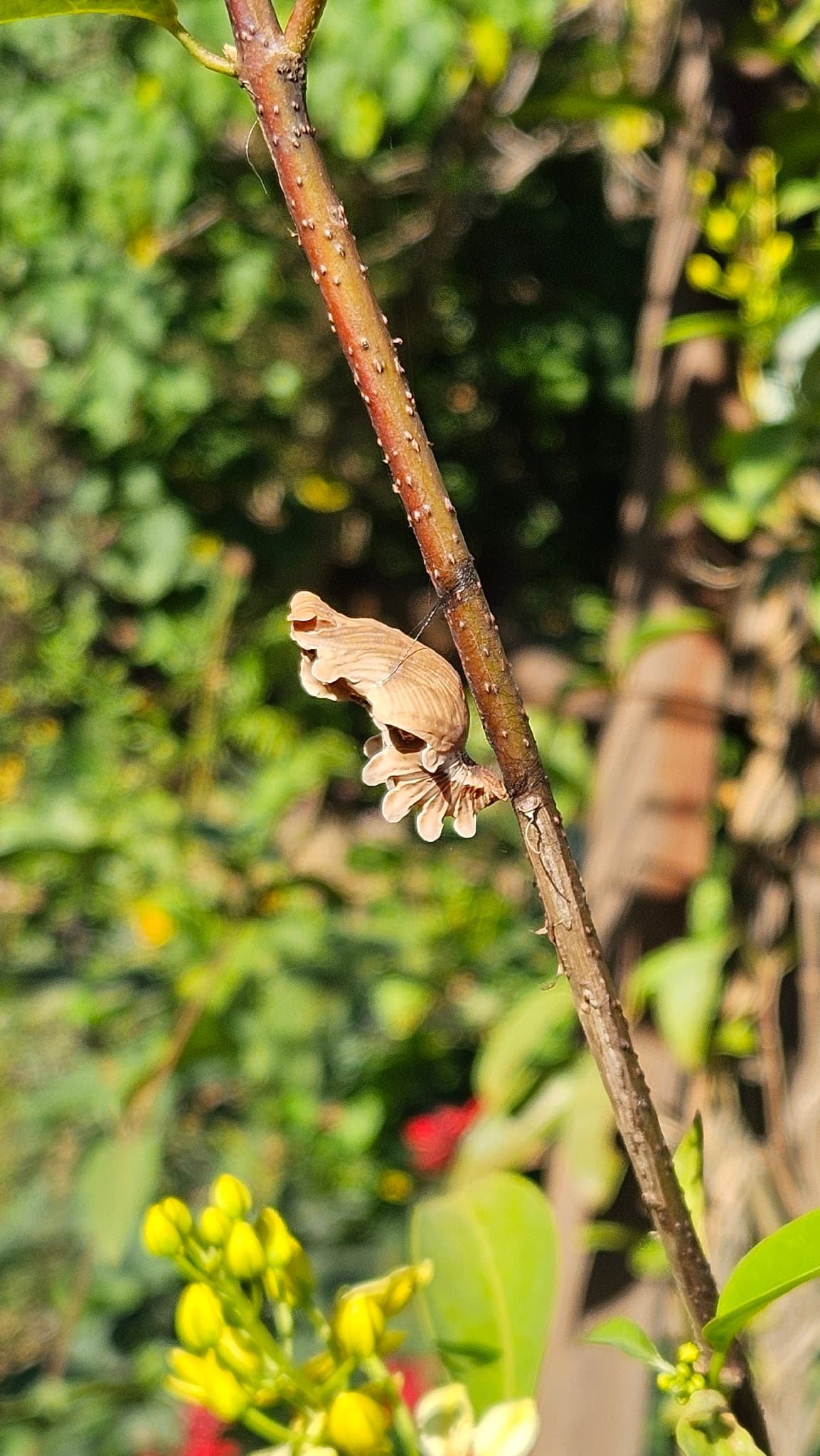
Pachliopta camorta
Image: lokechin (cc-by-nc)
NamePachliopta camorta
Scientific NamePachliopta camorta
Common NamesCommon Rose Butterfly Host Plant, Birthwort, Dutchman's Pipe
Plant FamilyAristolochiaceae
Natural HabitatAristolochia species are generally found in tropical and subtropical regions across the globe, thriving in diverse environments such as forests, woodlands, and disturbed areas, often climbing on other vegetation.
Parts Usedroot,leaf,whole_plant
Medicinal Actionsanti-inflammatory, diuretic
Traditional UsesHistorically, various Aristolochia species have been used in traditional medicine systems, particularly in Traditional Chinese Medicine, for conditions such as snakebites, inflammation, pain, and as abortifacients. However, due to severe toxicity, these traditional uses are now largely condemned and prohibited in many regions.
Active ConstituentsAristolochic acids, aristolactams, lignans
Preparation Methodsinfusion, decoction, powder
Contraindications & WarningsABSOLUTELY CONTRAINDICATED. Aristolochia species contain highly toxic aristolochic acids, which are potent carcinogens, mutagens, and nephrotoxins, causing irreversible kidney damage and urinary tract cancers. Use of any part of this plant is strictly prohibited due to severe and life-threatening health risks.
Cultivation NotesAristolochia species are sometimes cultivated as ornamental plants for their unique flowers and as host plants for butterflies like Pachliopta. They generally prefer well-drained soil, partial to full sun, and require a climbing support structure.
Rarityuncommon
Description
While 'Pachliopta camorta' refers to a subspecies of the Common Rose butterfly, the information provided here pertains to its host plant, typically a species from the genus Aristolochia. These are herbaceous vines or shrubs, often characterized by heart-shaped leaves and unique, pipe-shaped flowers that are adapted for insect pollination.