Convolvulus chondrilloides
NameConvolvulus chondrilloides
Scientific NameConvolvulus chondrilloides
Common NamesBindweed, Mediterranean Bindweed
Plant FamilyConvolvulaceae
Natural HabitatNative to the Mediterranean region, it thrives in dry, rocky, or sandy soils, garrigue, and steppe environments, often found in open, sunny locations.
Parts Usedwhole_plant,root
Medicinal Actionsantioxidant, antimicrobial
Traditional UsesWhile specific traditional uses for Convolvulus chondrilloides are not widely documented, other species within the Convolvulus genus have been traditionally used as purgatives and for various external skin conditions. It is believed to share some general properties with its relatives.
Active Constituentsresin glycosides, flavonoids
Preparation Methodsinfusion, decoction, poultice
Contraindications & WarningsDue to the presence of resin glycosides, many Convolvulus species can have strong purgative effects and may be toxic in high doses, potentially causing severe gastrointestinal upset. It is generally not recommended for pregnant or lactating women, or young children.
Cultivation NotesThis plant prefers full sun and well-drained, often poor or sandy soils. It is highly drought-tolerant once established and requires minimal watering.
Rarityuncommon
Description
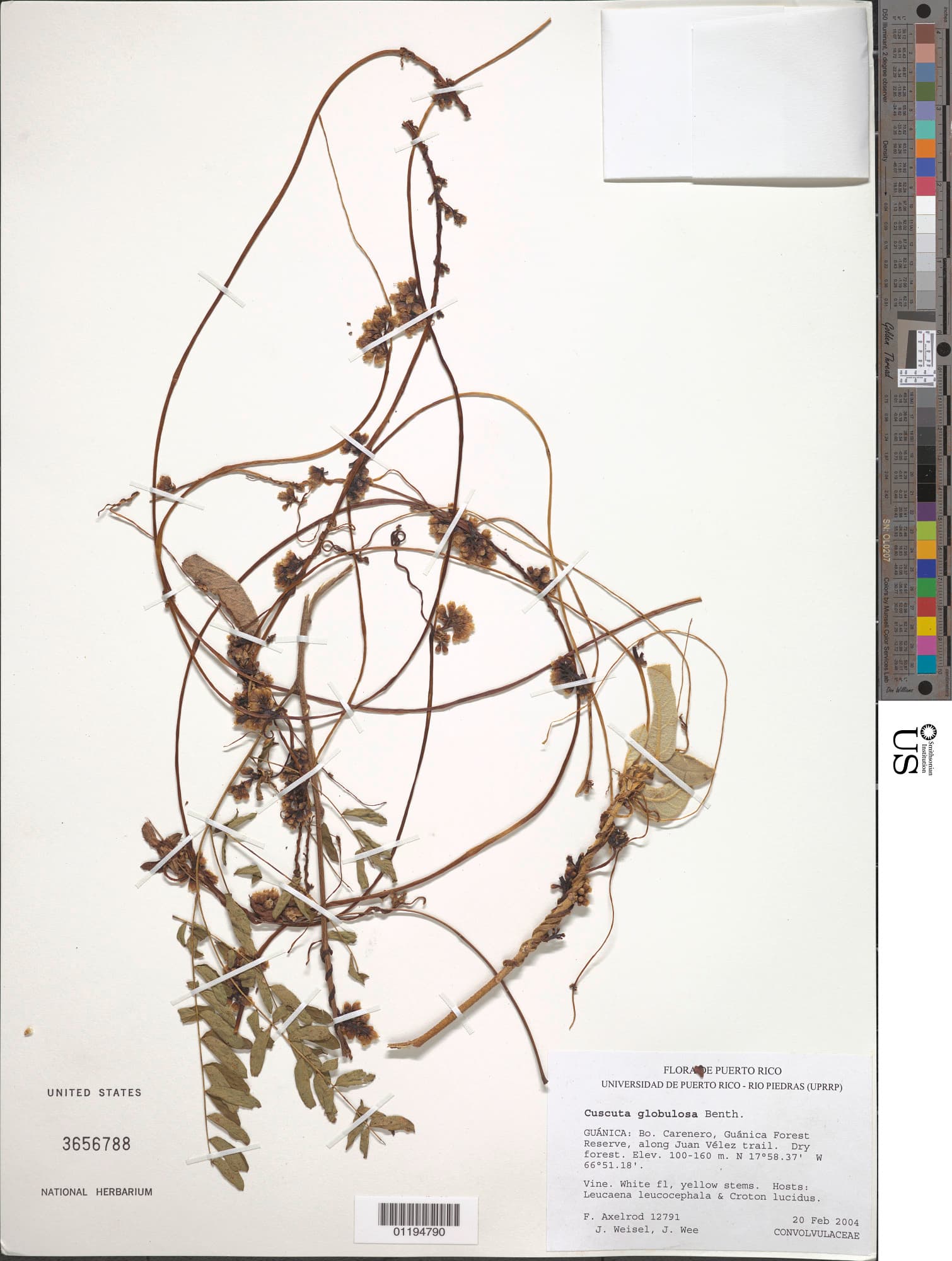
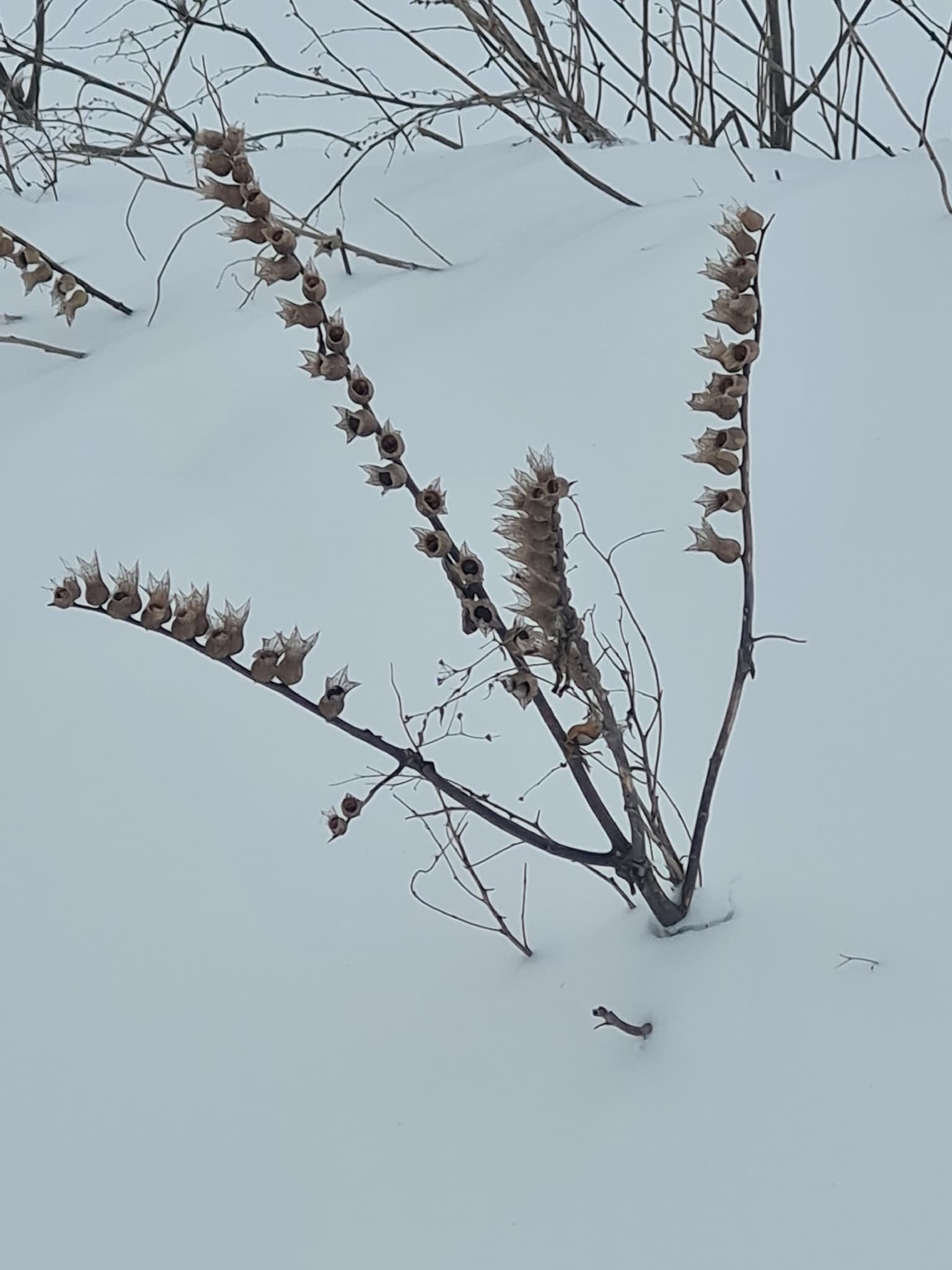
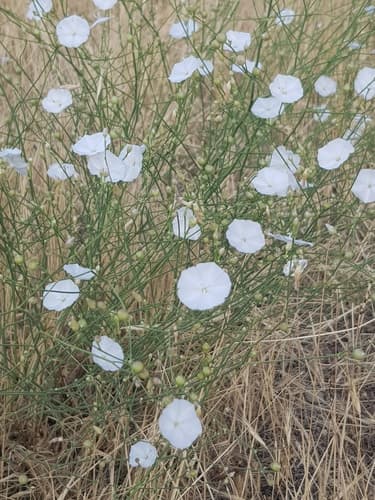
A perennial herbaceous plant characterized by numerous slender, often sprawling or erect stems. It produces many small, white, funnel-shaped flowers and typically develops small, round seed capsules.