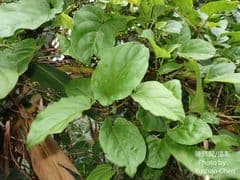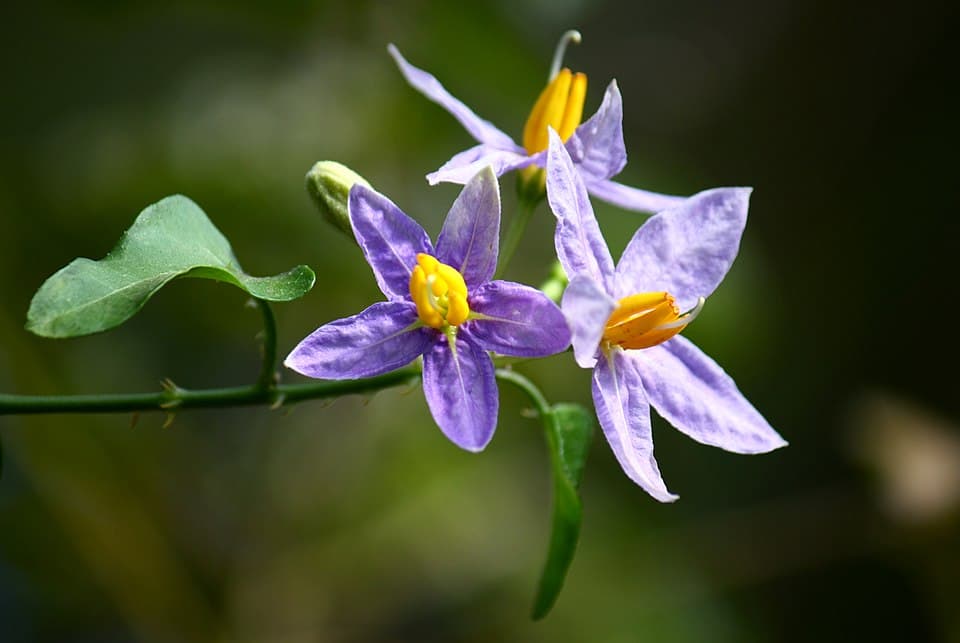
Solanum basendopogon
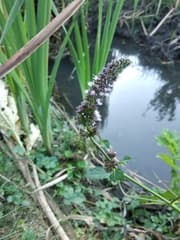
Image: Royal Botanic Garden Edinburgh (cc0)
NameSolanum basendopogon
Scientific NameSolanum basendopogon
Plant FamilySolanaceae
Natural HabitatNative to montane regions of South America, particularly Peru and Bolivia. It is often found in disturbed areas, forest edges, clearings, and along roadsides, typically at moderate to high altitudes.
Parts Usedleaf,flower,fruit
Medicinal Actionsanalgesic, anti-inflammatory, antimicrobial
Traditional UsesSpecific traditional medicinal uses for Solanum basendopogon are not widely documented in ethnobotanical literature. The genus Solanum as a whole has diverse traditional uses, ranging from food to medicine, but often with caution due to toxic compounds.
Active Constituentssteroidal glycoalkaloids, saponins, flavonoids
Preparation Methodsinfusion, decoction, poultice
Contraindications & WarningsDue to the presence of potentially toxic steroidal glycoalkaloids common in the Solanum genus, internal use of Solanum basendopogon should be approached with extreme caution or avoided. Contraindications would likely include pregnancy, lactation, and individuals with liver or kidney conditions.
Cultivation NotesAs a subshrub from montane regions, it likely prefers well-drained soil and can tolerate varying light conditions. It may require support if grown as a scandent plant.
Rarityuncommon
Description
Solanum basendopogon is a scandent or erect shrub or subshrub, typically growing up to 3 meters tall. It features simple, often pubescent leaves and produces small flowers followed by berries. The stems can be slender and woody.