Clover Dodder
NameClover Dodder
Scientific NameCuscuta epithymum
Common NamesClover Dodder, European Dodder, Thyme Dodder
Plant FamilyConvolvulaceae
Natural HabitatThis parasitic plant grows on various herbaceous hosts, commonly found on clover, alfalfa, gorse, and heather in fields, meadows, and heathlands. Lacking chlorophyll, it obtains all its nutrients by attaching to and drawing from its host.
Parts Usedwhole_plant,seed
Medicinal Actionsdiuretic, anti-inflammatory, antioxidant
Traditional UsesTraditionally, Clover Dodder has been used in European folk medicine as a purgative and diuretic, particularly for liver and spleen complaints. It was also applied externally for certain skin conditions and occasionally used as a general tonic.
Active Constituentsflavonoids, lignans, polysaccharides, coumarins
Preparation Methodsinfusion, decoction, powder
Contraindications & WarningsDue to its parasitic nature and potential for toxicity, internal use of Clover Dodder should be approached with extreme caution and under expert guidance. It is generally not recommended for pregnant or breastfeeding women, or individuals with severe digestive issues.
Cultivation NotesAs a parasitic plant, Clover Dodder cannot be cultivated independently; it requires a suitable host plant (e.g., clover, alfalfa) to germinate and grow. Intentional cultivation for medicinal purposes is impractical and generally undesirable due to its status as a widespread agricultural weed.
Raritycommon
Description
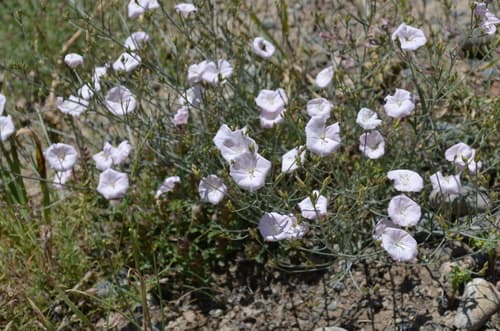
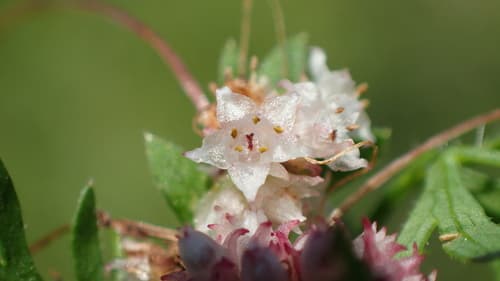
Clover Dodder is a parasitic annual plant characterized by its slender, reddish-yellow, leafless stems that twine around host plants. It produces small clusters of white to pinkish, star-shaped flowers, typically with five petals, as seen in the image.