Cilantro / Coriander
NameCilantro / Coriander
Scientific NameCoriandrum sativum
Common NamesCilantro, Coriander, Chinese Parsley
Plant FamilyApiaceae
Natural HabitatNative to regions spanning from Southern Europe and North Africa to Southwestern Asia. It is widely cultivated globally and can naturalize in disturbed soils, gardens, and fields.
Parts Usedleaf,seed,whole_plant
Medicinal Actionsantioxidant, anti-inflammatory, antimicrobial, carminative, diuretic
Traditional UsesTraditionally used for digestive issues like indigestion, bloating, and gas (especially seeds). The leaves are used for detoxification, to chelate heavy metals, and as a general tonic. It has also been used for anxiety, insomnia, and as an anti-diabetic agent.
Active ConstituentsLinalool, geraniol, coriandrin, flavonoids, phenolic acids, essential oils
Preparation Methodsinfusion, decoction, tincture, powder, essential oil
Contraindications & WarningsGenerally safe in culinary amounts. Large medicinal doses may cause photosensitivity in some individuals. Allergic reactions are rare but possible. May interact with blood-thinning medications due to vitamin K content (leaves).
Cultivation NotesPrefers full sun and well-drained soil. Best grown from seed directly sown. Tends to bolt quickly in hot weather, so succession planting is recommended. Keep soil consistently moist.
Raritycommon
Description
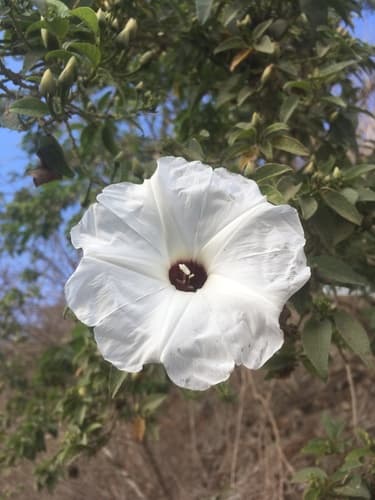
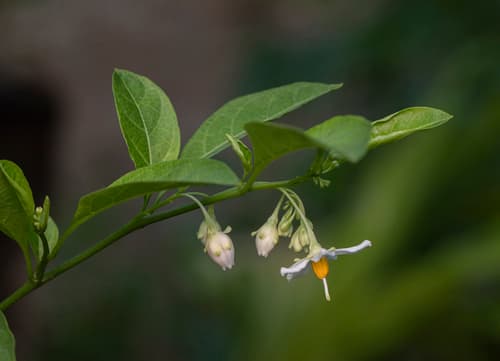
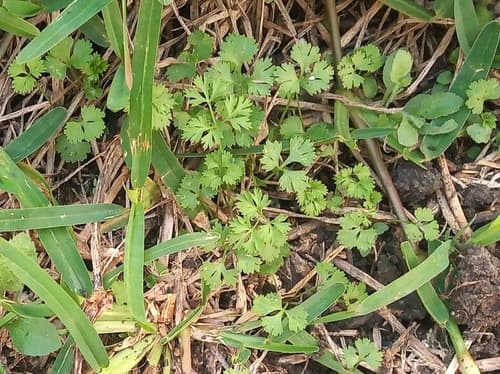
Cilantro is an annual herb with delicate, lacy, bright green leaves, often deeply lobed. It produces small white to pale pink flowers in umbels, followed by spherical, tan-colored seeds.