Cestrum confertifolium
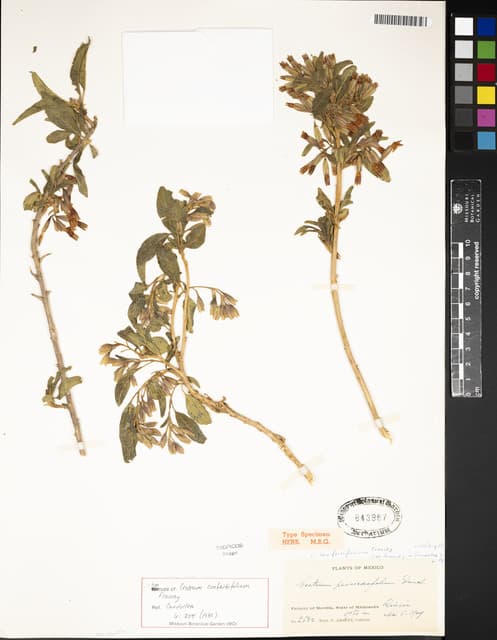
Image: MBG (cc-by-nc)
NameCestrum confertifolium
Scientific NameCestrum confertifolium Francey
Plant FamilySolanaceae
Natural HabitatNative to Mexico, particularly found in states like Michoacán. It thrives in tropical to subtropical climates, often in disturbed areas, forest edges, or open woodlands.
Parts Usedleaf,flower
Medicinal Actionsanti-inflammatory, antimicrobial
Traditional UsesTraditional medicinal uses for Cestrum confertifolium are not widely documented and are generally considered highly risky due to the plant's known toxicity. Other Cestrum species have been historically used in some traditional systems for external applications (e.g., poultices for skin conditions) or as purgatives, but always with extreme caution and awareness of their poisonous nature. Internal use is strongly discouraged.
Active ConstituentsSteroidal saponins, Alkaloids (e.g., solasonine, solamargine), Glycosides
Preparation Methodspoultice
Contraindications & WarningsHIGHLY TOXIC. All parts of Cestrum confertifolium are considered poisonous if ingested, causing severe gastrointestinal upset, neurological symptoms, and potentially death. Avoid internal consumption entirely. Use with extreme caution, if at all, for external applications, and only under expert guidance. Not safe for pregnant or nursing individuals, children, or individuals with liver or kidney conditions. May interact with medications affecting the central nervous system or gastrointestinal tract.
Cultivation NotesPrefers tropical to subtropical climates with well-drained soil. It can be propagated from seed or cuttings and requires moderate watering with full sun to partial shade. Often cultivated as an ornamental shrub, but caution should be exercised due to its toxicity, especially around children and pets.
Rarityuncommon
Description
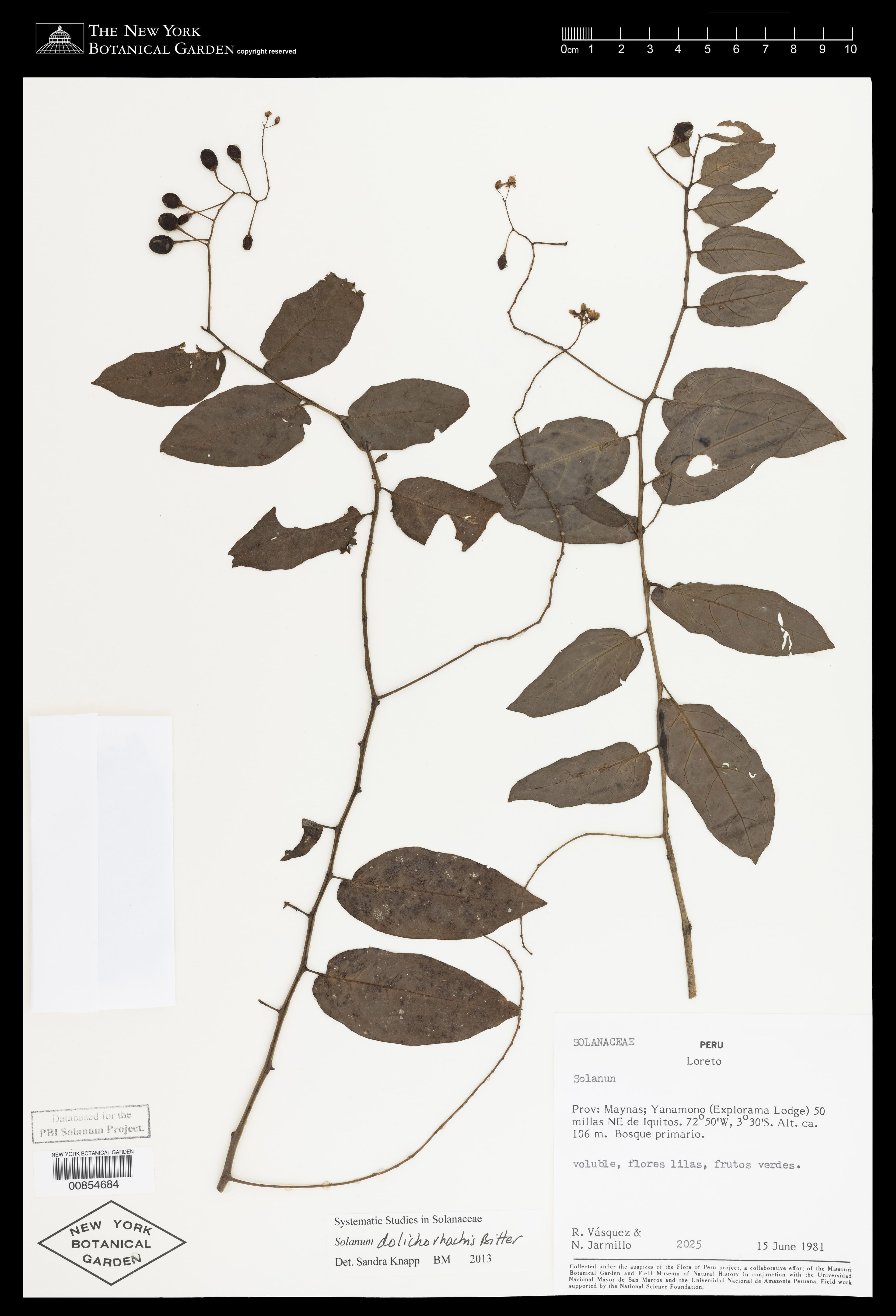
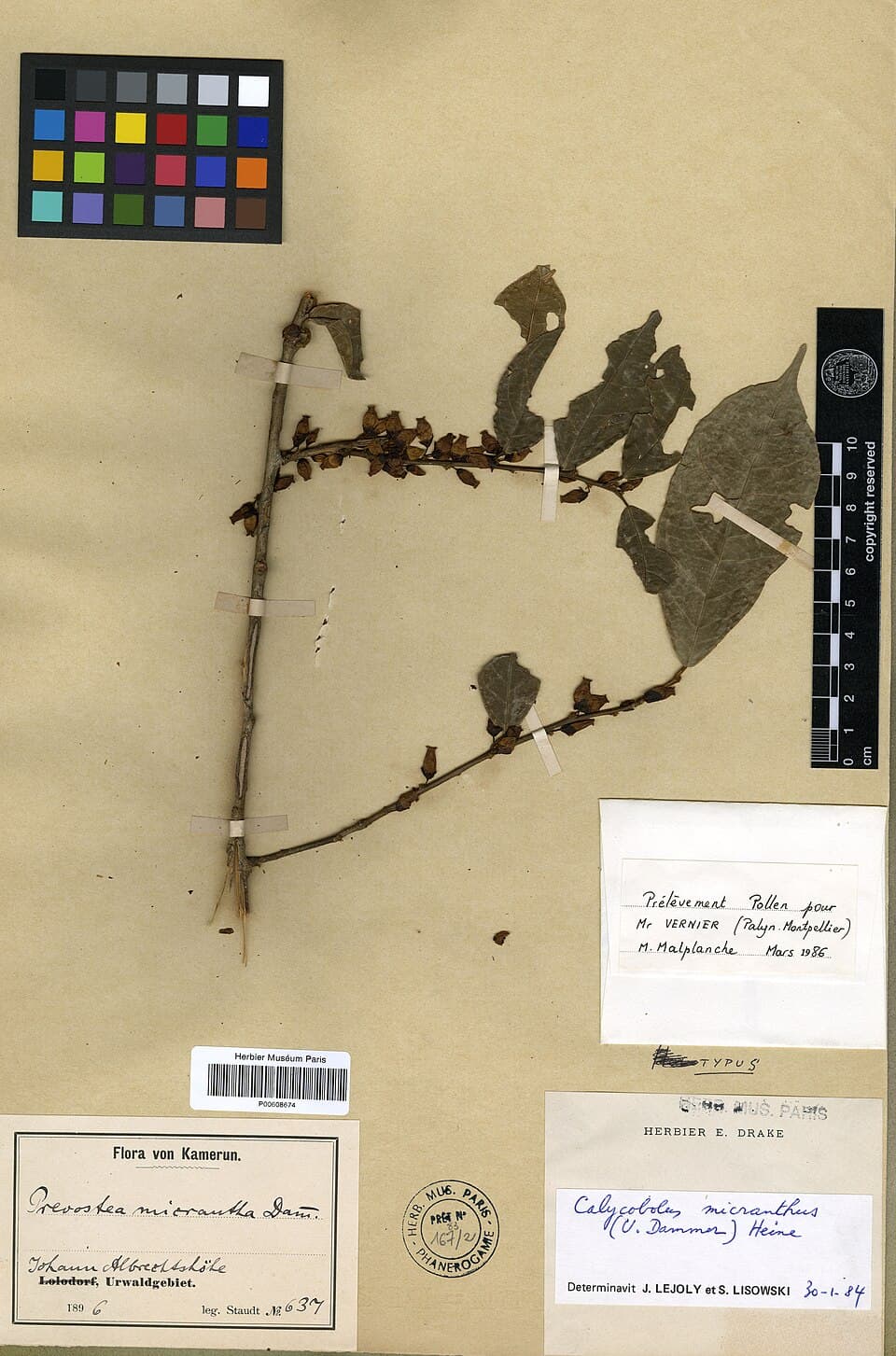
Cestrum confertifolium is a woody shrub characterized by alternate, simple leaves and clusters of tubular flowers typically arranged in terminal or axillary inflorescences. The dried specimen shows ovate to lanceolate leaves and small, brownish flowers.