Solanum caavurana
NameSolanum caavurana
Scientific NameSolanum caavurana
Common NamesCaavurana
Plant FamilySolanaceae
Natural HabitatNative to tropical and subtropical regions of South America, often found in forests, forest edges, and disturbed areas, thriving in warm and humid conditions.
Parts Usedleaf,root,fruit
Medicinal Actionsanalgesic, anti-inflammatory, antimicrobial
Traditional UsesTraditionally used in South American folk medicine, particularly in Brazil, to alleviate pain, reduce inflammation, and treat various ailments including fevers, skin conditions, and rheumatic pain. The leaves and roots are often prepared for these purposes.
Active ConstituentsSteroidal glycoalkaloids, flavonoids, phenolic compounds
Preparation Methodsinfusion, decoction, poultice
Contraindications & WarningsDue to the presence of steroidal glycoalkaloids, all parts of the plant, especially unripe fruits, may be toxic if ingested in large quantities. Not recommended for pregnant or nursing women, or individuals with gastrointestinal sensitivities. Consult a healthcare professional before use.
Cultivation NotesThrives in warm, humid climates with well-drained, fertile soil. It can be grown in partial shade to full sun and requires consistent moisture.
Rarityuncommon
Description
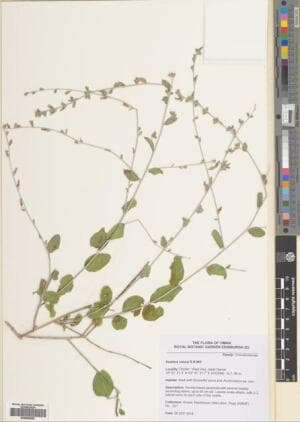
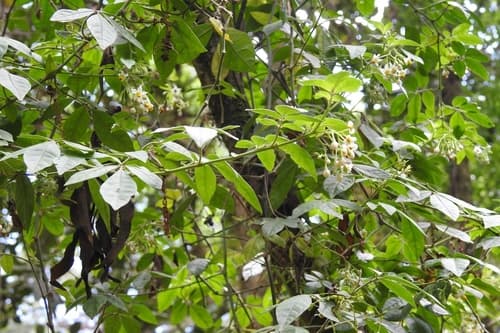
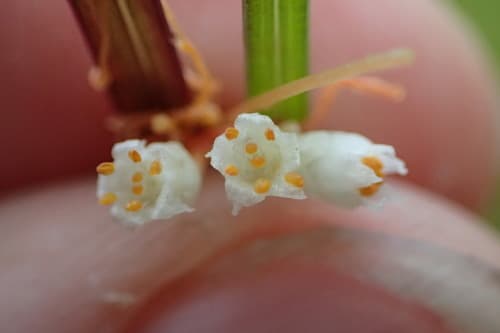
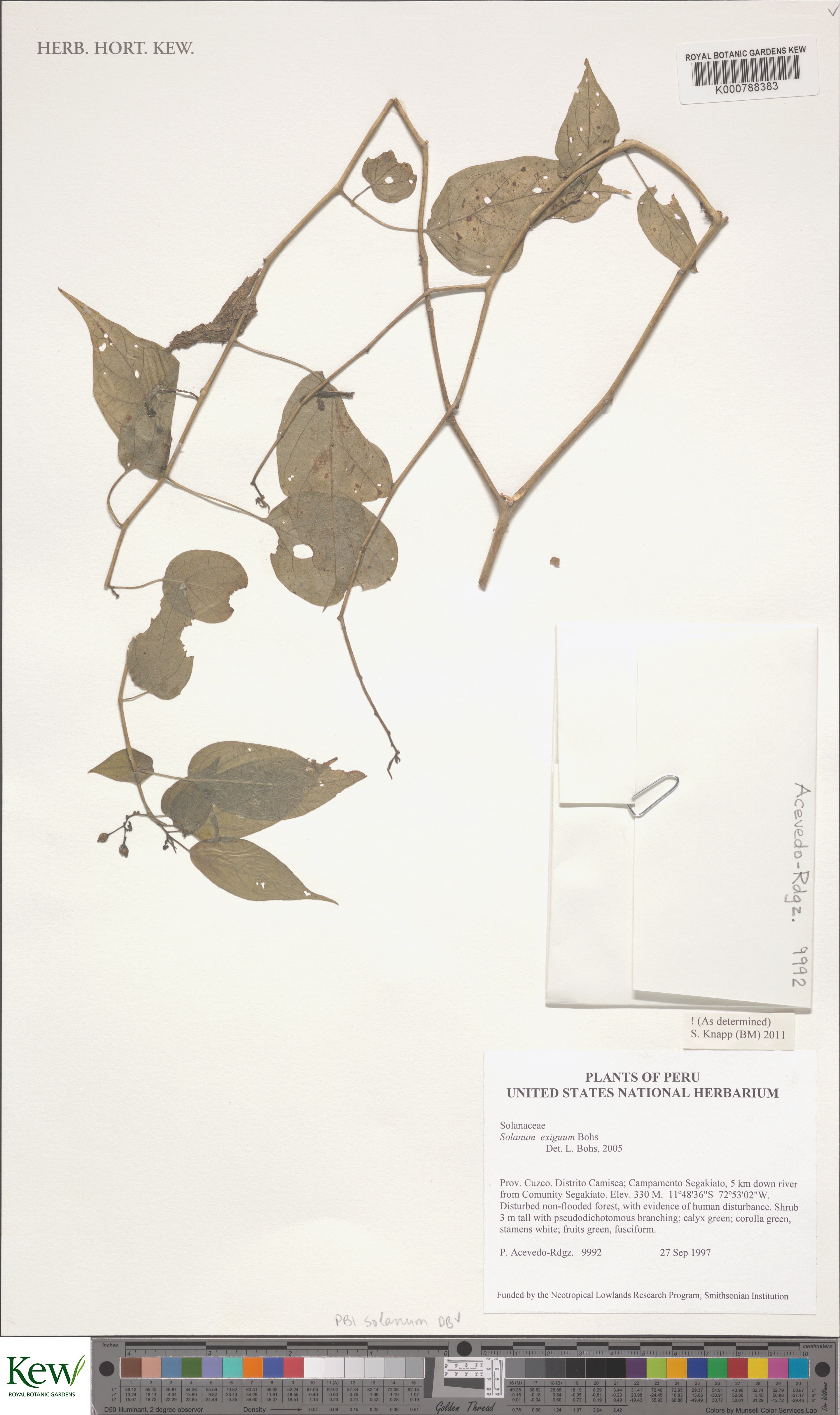
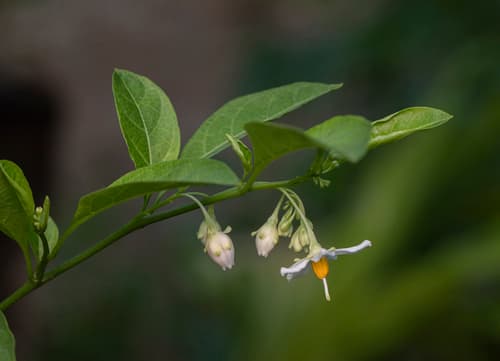
A shrub or small tree belonging to the nightshade family, characterized by simple, ovate green leaves and clusters of white flowers with prominent yellow anther cones. It produces small, typically spherical fruits after flowering.