Cestrum pulverulentum
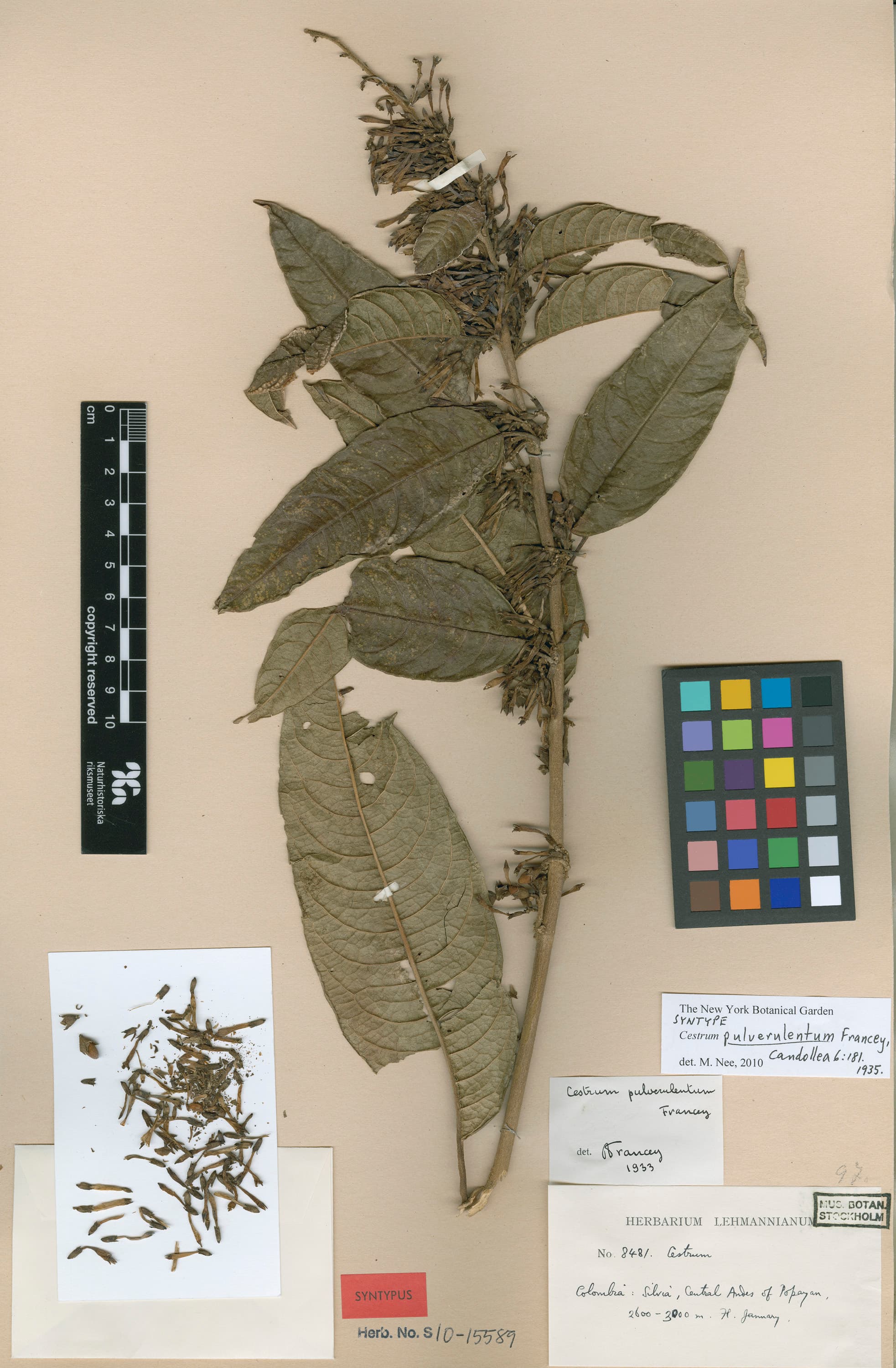
Image: Gunilla Dahlerus Lehman (S) (cc-by)
NameCestrum pulverulentum
Scientific NameCestrum pulverulentum Francey
Common NamesJessamine (general Cestrum), Night-blooming Jessamine (general Cestrum)
Plant FamilySolanaceae
Natural HabitatNative to the Central Andes of Popayan, Colombia, typically found at high altitudes ranging from 2600 to 3000 meters above sea level.
Parts Usedleaf,flower
Medicinal Actionsantimicrobial, anti-inflammatory
Traditional UsesSpecific traditional medicinal uses for Cestrum pulverulentum are poorly documented. However, other species within the Cestrum genus have been traditionally used with extreme caution for conditions such as fevers, skin ailments (often externally), and as purgatives or emetics, despite their known toxicity.
Active Constituentssteroidal saponins, glycoalkaloids, flavonoids
Preparation Methodsinfusion, poultice
Contraindications & WarningsAll parts of Cestrum species, including Cestrum pulverulentum, are generally considered toxic due to the presence of steroidal saponins and glycoalkaloids. Ingestion can lead to severe gastrointestinal upset, neurological symptoms, and cardiac issues. It should not be ingested and contact with skin may cause dermatitis. Use with extreme caution and only under expert guidance for any traditional applications.
Cultivation NotesCestrum species generally prefer full sun to partial shade and well-drained soil. Given its high-altitude Andean origin, Cestrum pulverulentum may prefer cooler temperatures and might be sensitive to frost. It is typically grown as an ornamental shrub.
Rarityuncommon
Description
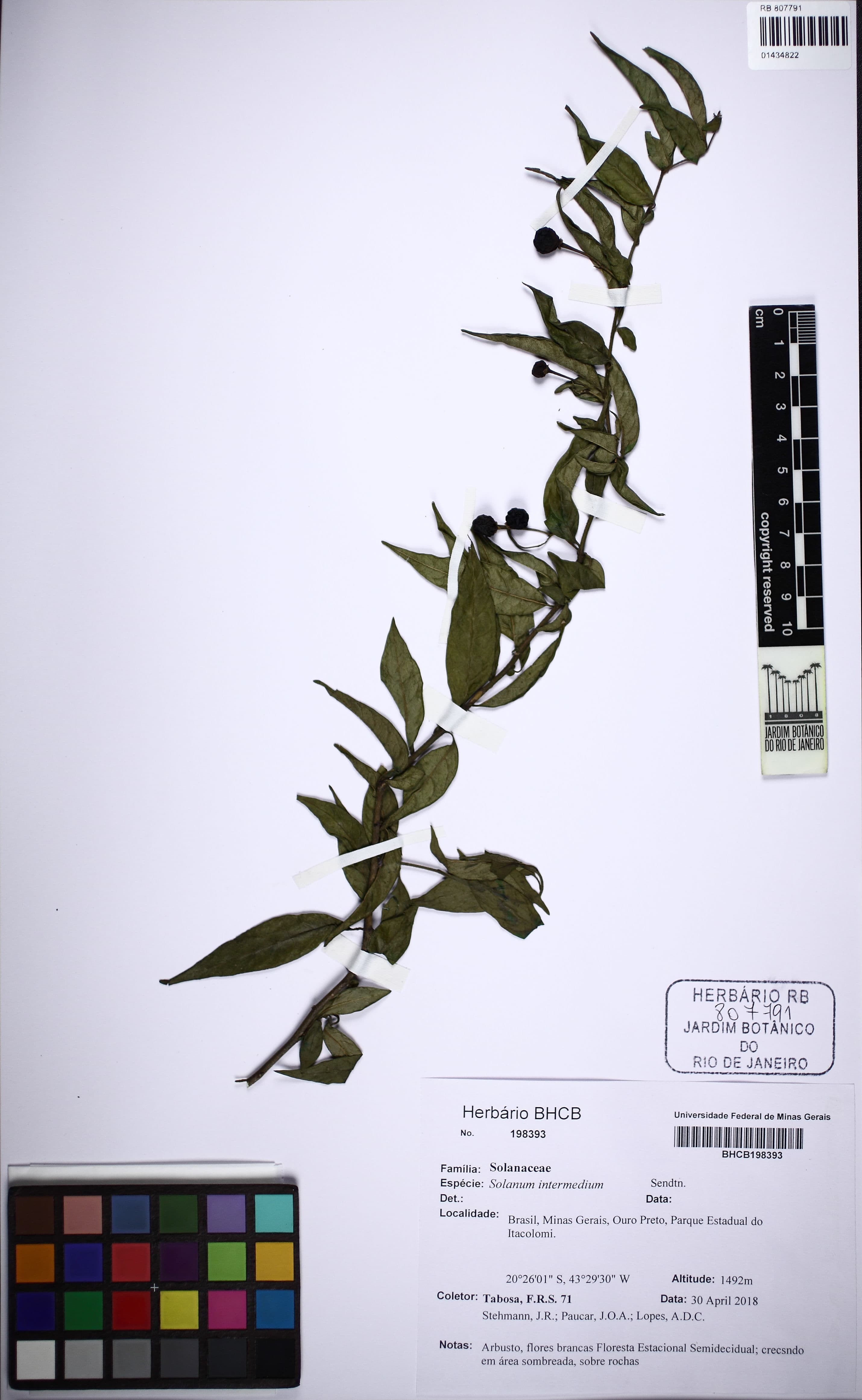
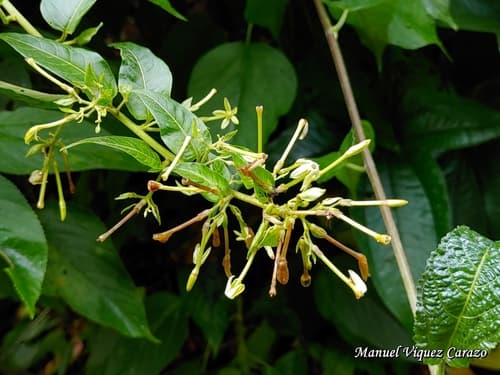
Cestrum pulverulentum is a woody shrub characterized by alternate, ovate to lanceolate leaves, often with a somewhat powdery or pubescent texture. It produces clusters of small, tubular flowers, typically found in terminal or axillary inflorescences. The specimen shows prominent leaf venation and dried floral structures.