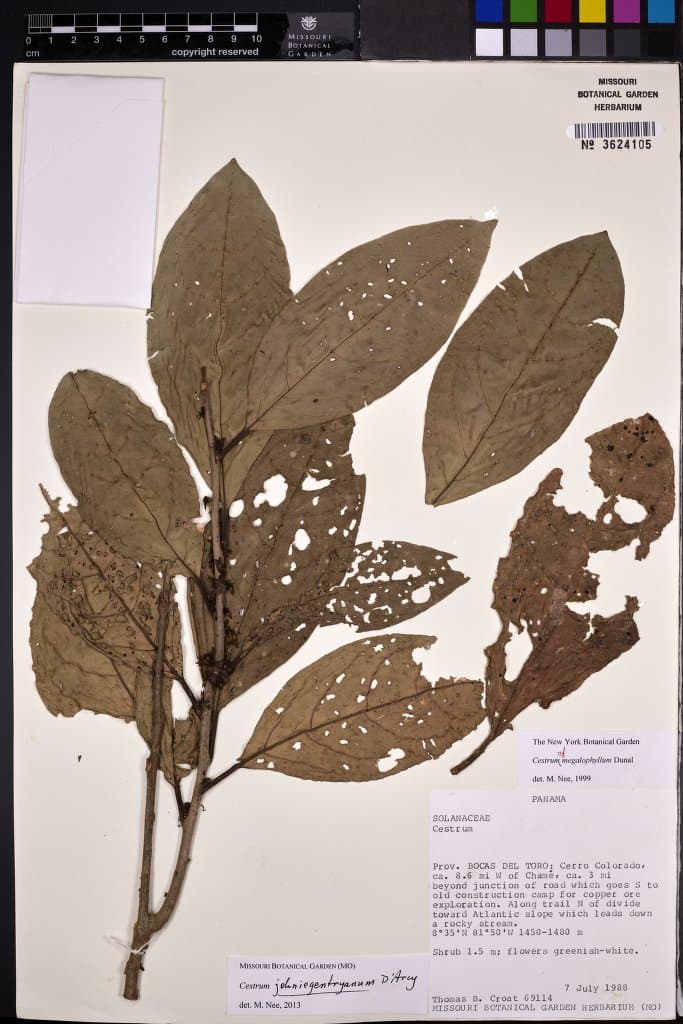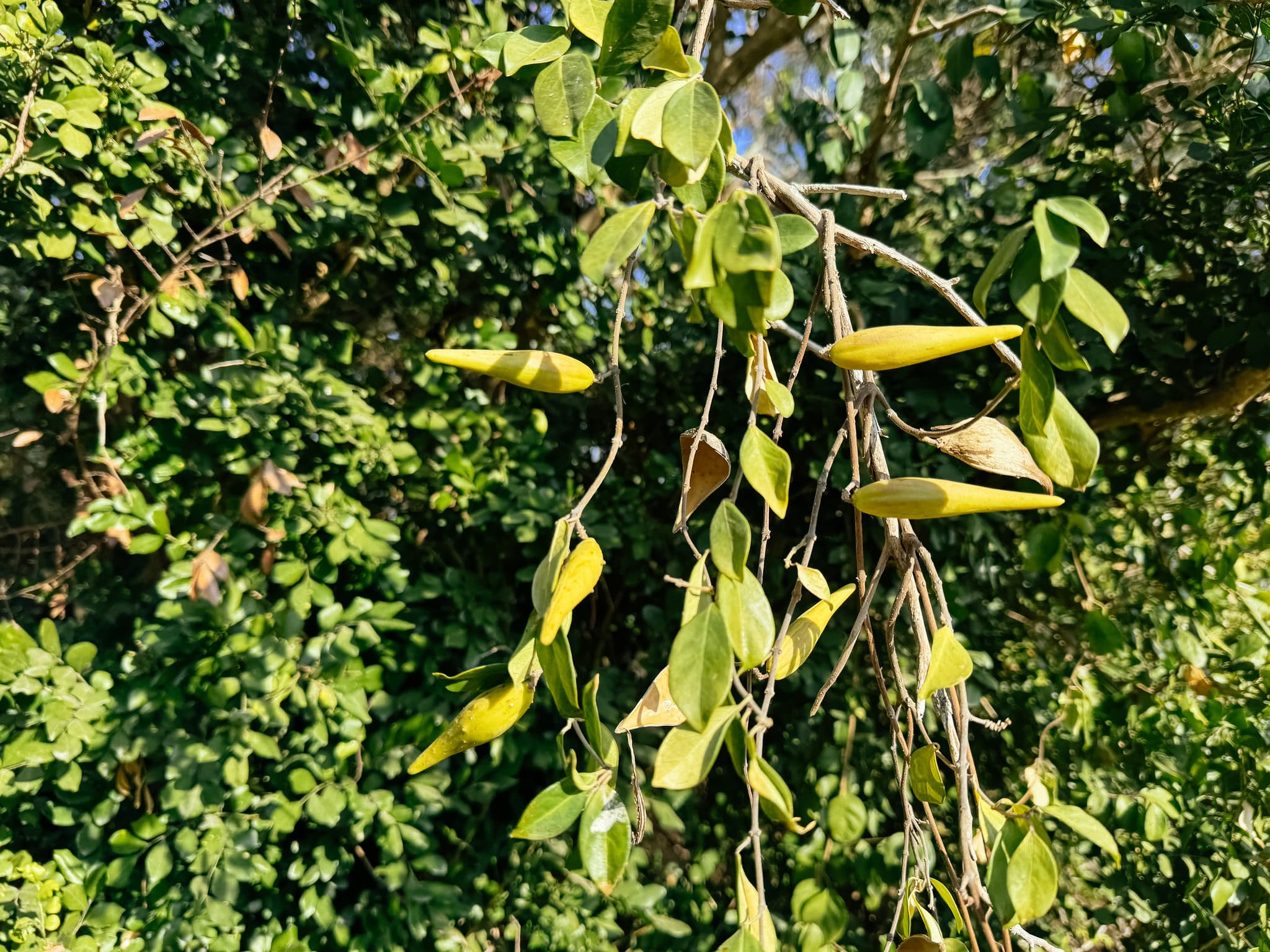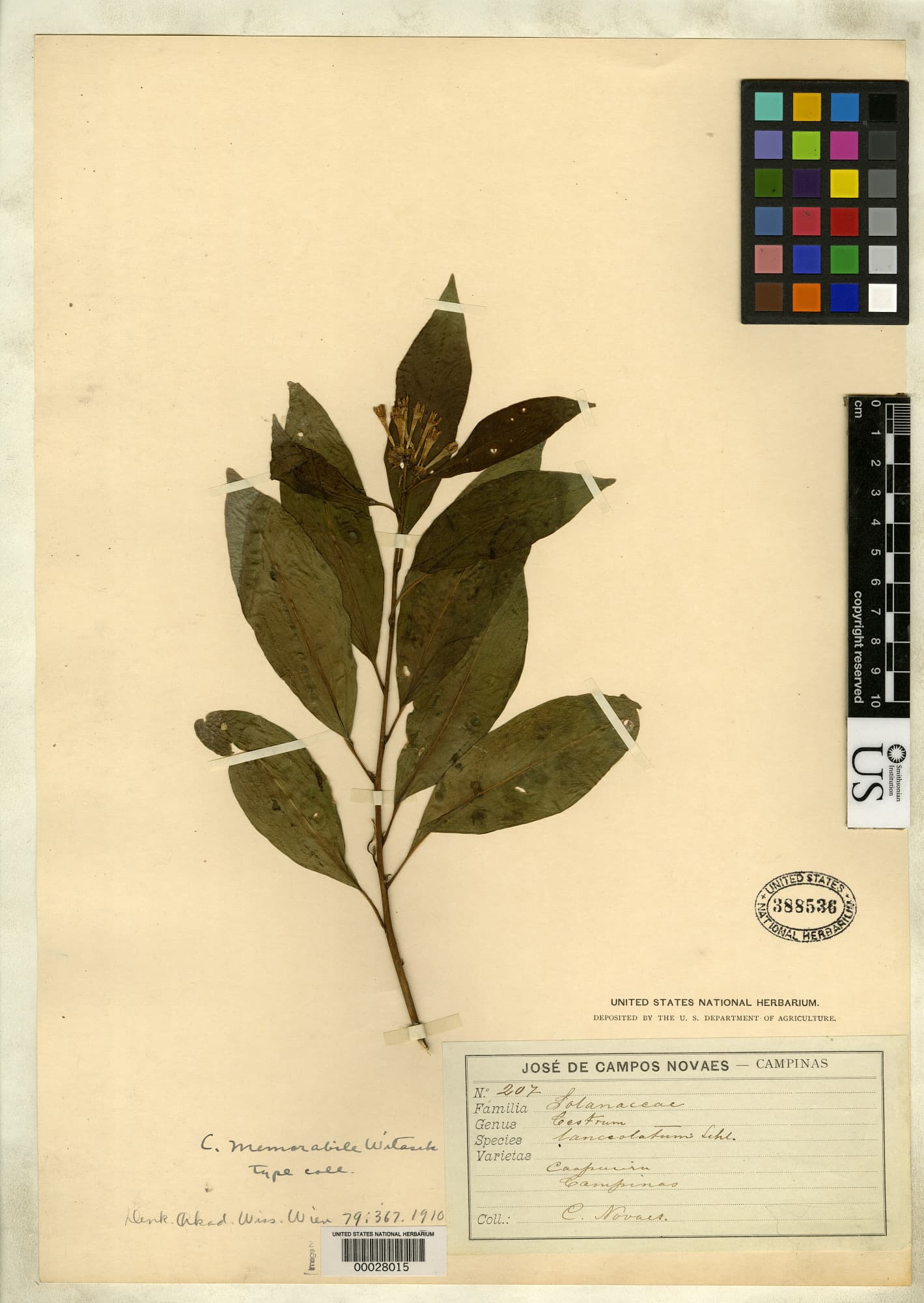
Cestrum memorabile
Image: Ingrid P. Lin (cc0)
NameCestrum memorabile
Scientific NameCestrum memorabile Witasek
Common NamesJessamine
Plant FamilySolanaceae
Natural HabitatNative to tropical and subtropical regions of the Americas, specifically documented from Campinas, Brazil, as per the herbarium specimen.
Parts Usedleaf,flower
Medicinal Actionsanalgesic, anti-inflammatory, sedative
Traditional UsesWhile specific traditional uses for Cestrum memorabile are not widely documented, other species within the Cestrum genus have been traditionally used with extreme caution for their analgesic, anti-inflammatory, and sedative properties, often in external applications or highly diluted forms due to inherent toxicity.
Active Constituentssteroidal_glycoalkaloids, saponins
Preparation Methodsinfusion, poultice
Contraindications & WarningsAll parts of Cestrum species, including Cestrum memorabile, are considered highly toxic due to steroidal glycoalkaloids. Ingestion can cause severe gastrointestinal upset, neurological symptoms, and respiratory distress. Fatalities have been reported, particularly in children and livestock. Not recommended for internal use; extreme caution is advised for any external application.
Cultivation NotesPrefers tropical to subtropical climates with well-drained soil and full sun to partial shade. Requires consistent moisture but is susceptible to root rot in waterlogged conditions. Can be grown as an ornamental shrub.
Rarityuncommon
Description
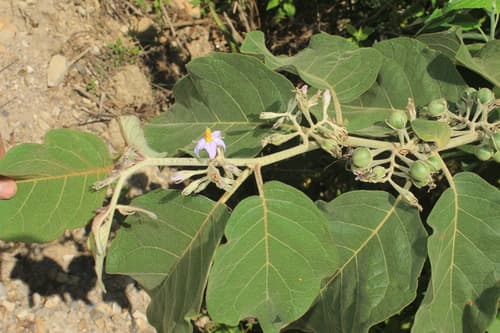
Cestrum memorabile is a woody shrub or small tree characterized by alternate, simple, ovate-lanceolate leaves. It bears clusters of tubular flowers, typically found in terminal or axillary inflorescences.