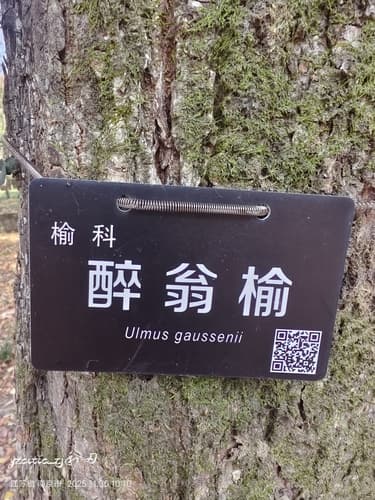
Gaussen's Elm
NameGaussen's Elm
Scientific NameUlmus gaussenii
Common NamesGaussen's Elm, Drunken Old Man Elm, 醉翁榆
Plant FamilyUlmaceae
Natural HabitatNative to central China, specifically Anhui province, where it grows in mountainous regions and mixed forests. It prefers well-drained soils and temperate climates.
Parts Usedbark,leaf
Medicinal Actionsdemulcent, anti-inflammatory, astringent
Traditional UsesTraditionally, the bark of elm species, including potentially Ulmus gaussenii, has been used as a demulcent to soothe irritated mucous membranes in the digestive and respiratory tracts. It has also been applied externally for skin irritations, wounds, and boils due to its astringent and anti-inflammatory properties.
Active Constituentspolysaccharides, tannins, flavonoids
Preparation Methodsdecoction, poultice, powder
Contraindications & WarningsGenerally considered safe when used appropriately. As with all herbal remedies, pregnant or nursing women and individuals with underlying health conditions should consult a healthcare professional before use. No specific drug interactions are widely reported.
Cultivation NotesThis species is critically endangered in the wild and is primarily cultivated in botanical gardens and conservation programs. It requires well-drained soil, full sun to partial shade, and is tolerant of various soil types. Propagation is typically by seed or grafting.
Rarityvery-rare
Description
Ulmus gaussenii is a deciduous tree, typically growing to a medium to large size with a broad crown. It is characterized by its rough, deeply fissured bark and ovate to elliptic leaves with serrated margins.