Decalobanthus clemensianus
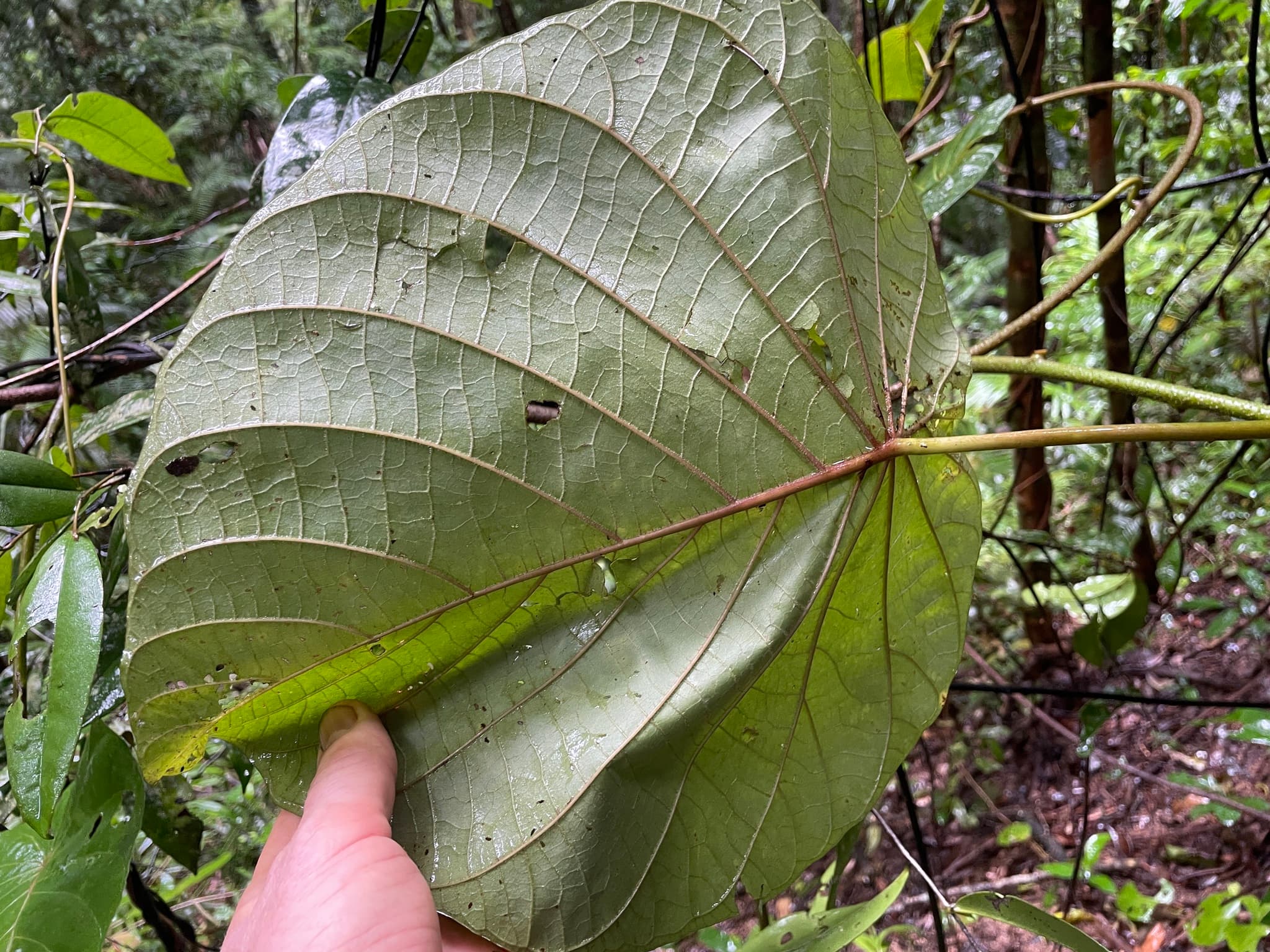
Image: Rene (cc-by-nc)
NameDecalobanthus clemensianus
Scientific NameDecalobanthus clemensianus
Common NamesPeltate Morning Glory
Plant FamilyConvolvulaceae
Natural HabitatTypically found in tropical and subtropical rainforests, forest margins, clearings, and disturbed areas, often climbing over other vegetation and thriving in humid environments.
Parts Usedleaf,root
Medicinal Actionsanti-inflammatory, antioxidant, antimicrobial
Traditional UsesWhile specific traditional uses for Decalobanthus clemensianus are not widely documented, related species in the genus and family (e.g., Decalobanthus peltatus) are traditionally used in some cultures for treating skin ailments, fevers, and as a general tonic. The leaves might be applied topically as a poultice for inflammation or skin irritations, and roots of some Convolvulaceae are known for purgative properties.
Active ConstituentsFlavonoids, Phenolic compounds, Triterpenes
Preparation Methodsinfusion, decoction, poultice
Contraindications & WarningsDue to potential purgative effects observed in closely related species, caution is advised for pregnant women, young children, and individuals with gastrointestinal disorders. Large doses, particularly of root preparations, may cause dehydration or electrolyte imbalance.
Cultivation NotesThis tropical vine thrives in warm, humid climates with well-drained, fertile soil. It requires a sturdy support structure for climbing and can tolerate full sun to partial shade, preferring consistent moisture.
Rarityuncommon
Description
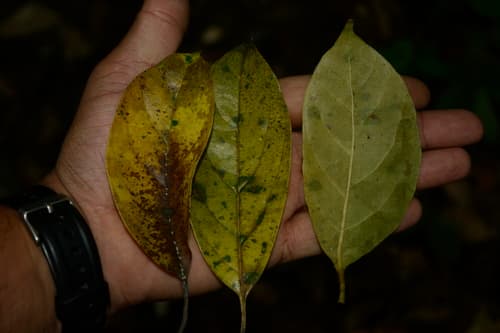
Decalobanthus clemensianus is a robust, perennial climbing vine characterized by large, broadly ovate to orbicular, peltate leaves. The leaves exhibit prominent palmate venation, with the petiole attached to the underside of the blade, not at the margin, giving it a distinctive appearance.