Gymnema
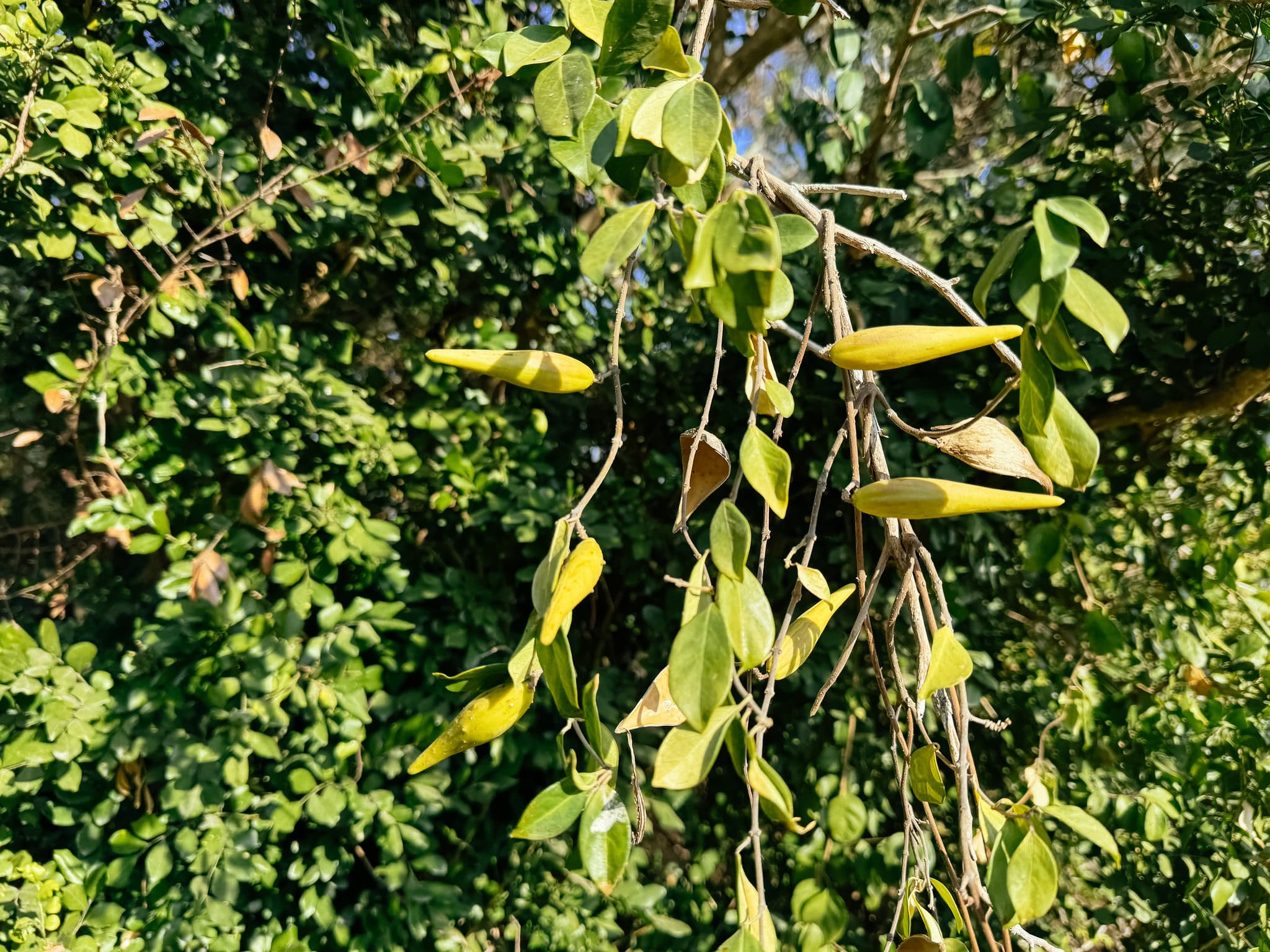
Image: Cheng-Tao Lin (cc-by-nc)
NameGymnema
Scientific NameGymnema sylvestre
Common NamesGurmar, Australian Cowplant, Periploca of the woods, Meshasringi
Plant FamilyApocynaceae
Natural HabitatNative to tropical and subtropical regions of India, Africa, and Australia, thriving in warm, humid climates and dense forests.
Parts Usedleaf,root
Medicinal Actionsanti-inflammatory, antioxidant, adaptogen, diuretic, analgesic
Traditional UsesTraditionally used in Ayurvedic medicine for centuries, primarily to manage diabetes and obesity due to its blood sugar lowering properties. It is also employed for digestive issues, coughs, and as a diuretic. Chewing the leaves is known to temporarily block the perception of sweet tastes.
Active ConstituentsGymnemic acids, Gymnemasaponins, Anthraquinones, Stigmasterol, Triterpenoid saponins
Preparation Methodsinfusion, powder, tincture
Contraindications & WarningsIndividuals with diabetes should use under medical supervision due to potential hypoglycemia, especially when combined with other anti-diabetic medications. Pregnant or breastfeeding women and those undergoing surgery should avoid its use.
Cultivation NotesPrefers warm, humid climates with well-drained soil and partial shade. It is a climbing vine that requires support and can be propagated from seeds or cuttings.
Raritycommon
Description
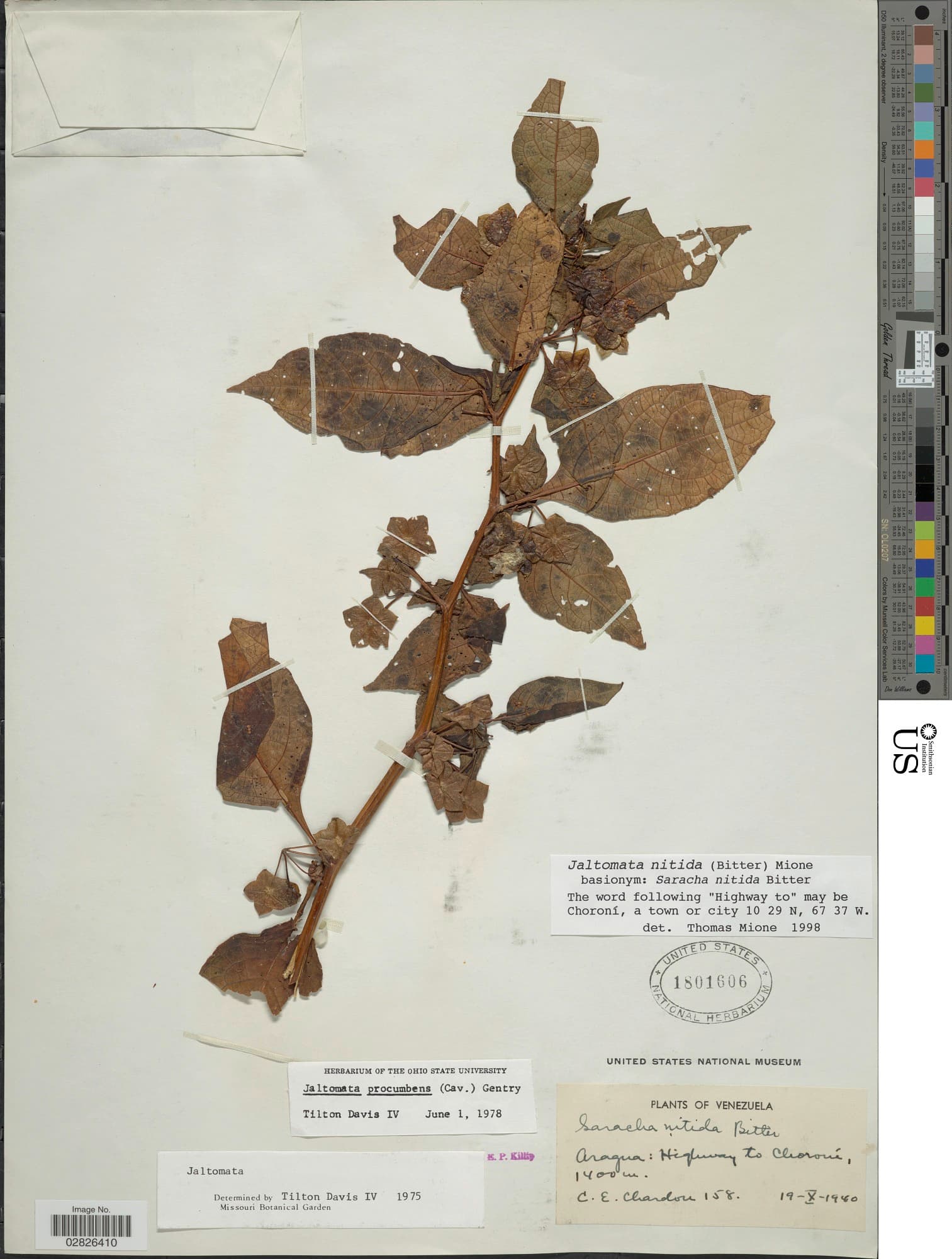
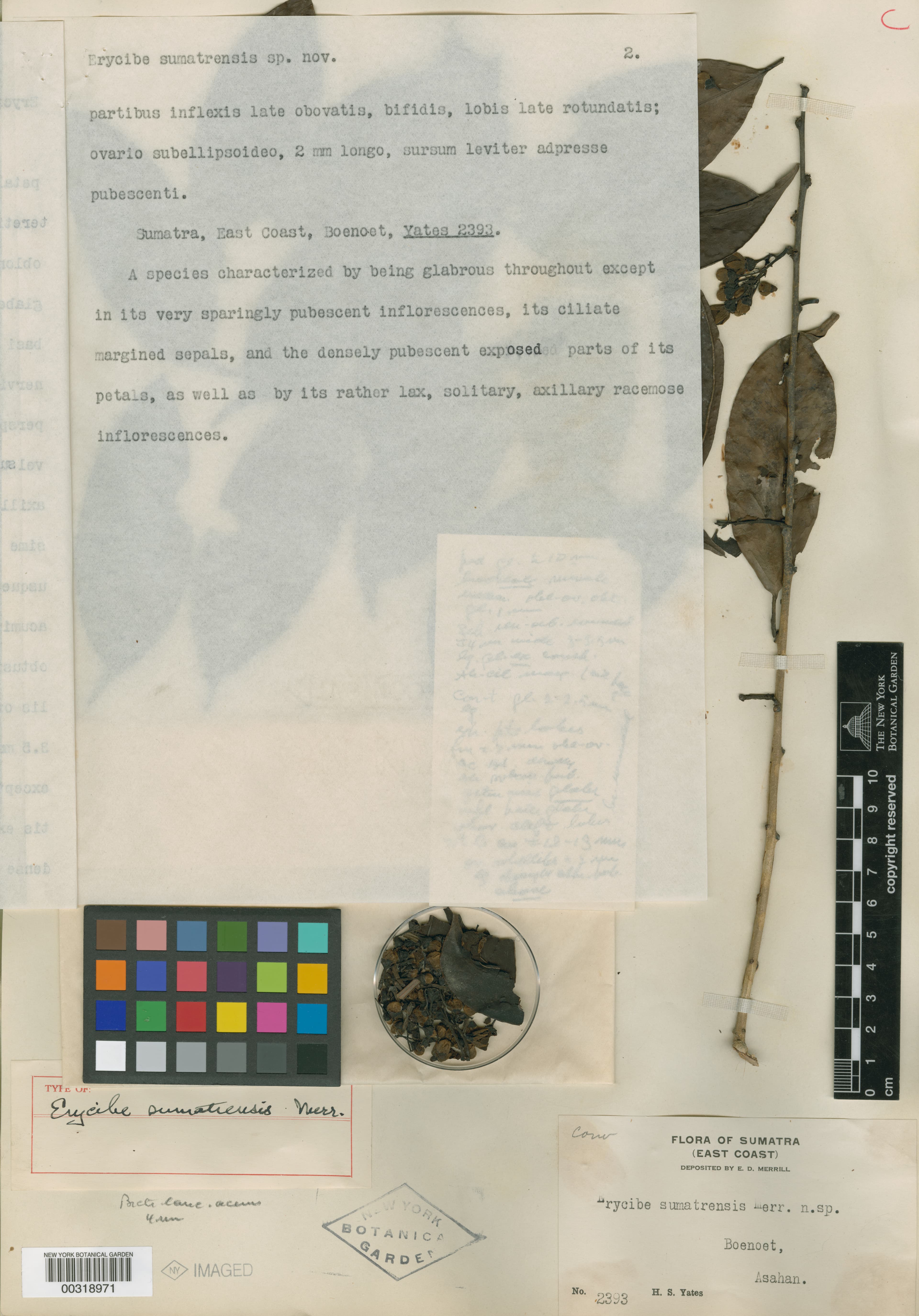
Gymnema sylvestre is a woody, perennial climbing vine native to tropical forests. It features simple, ovate to elliptic leaves and produces small, yellow flowers followed by slender, pointed, follicle-like fruits. The plant is famously known for its unique ability to temporarily suppress the taste of sweetness.