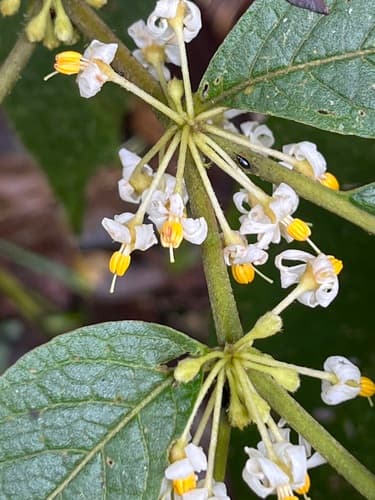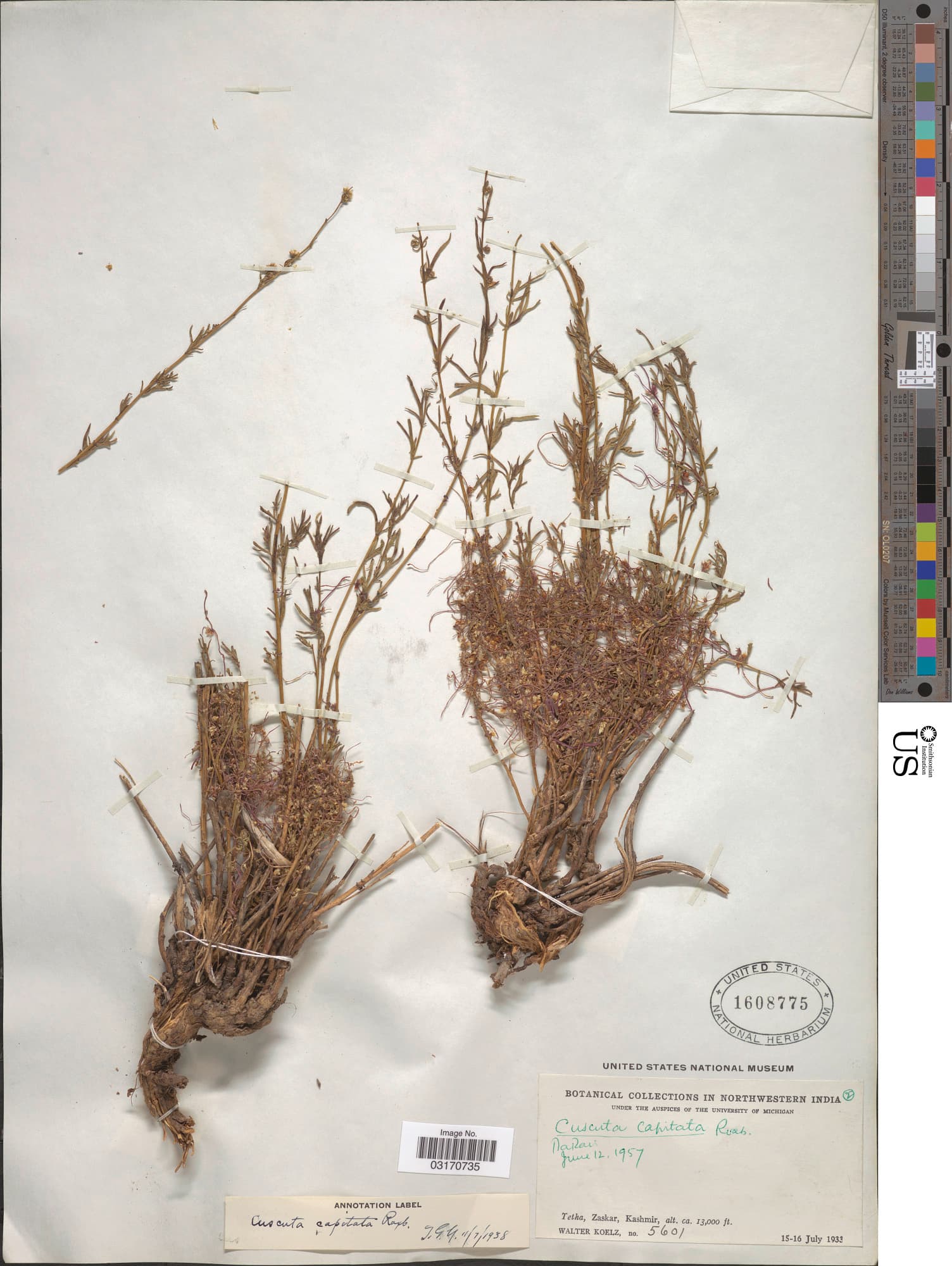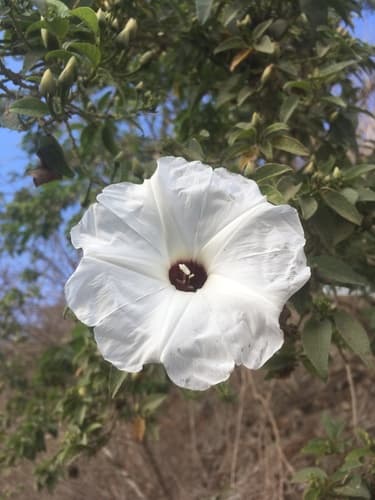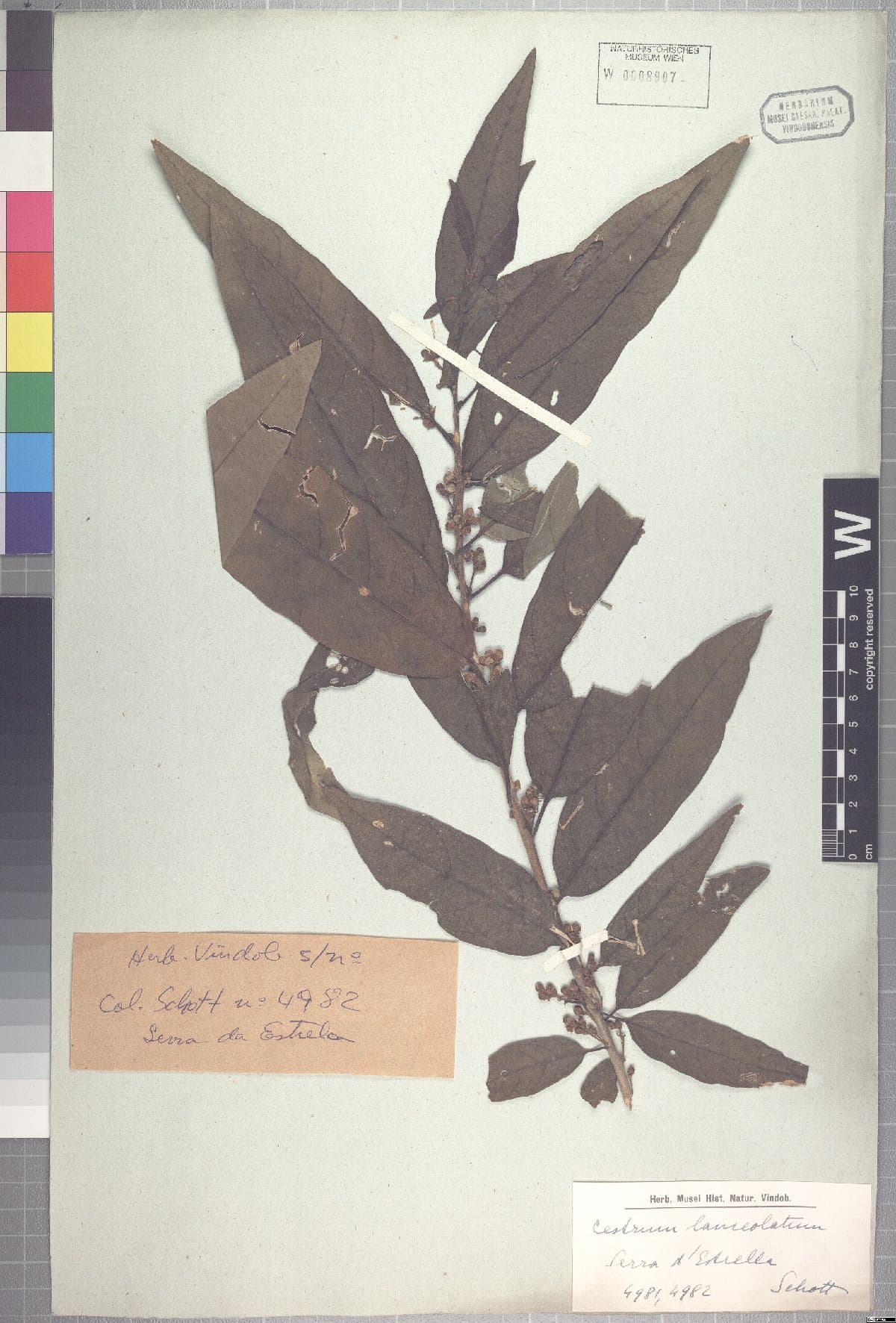
Cestrum lanceolatum
Image: Schott,H.W. 4981 4982 (cc-by)
NameCestrum lanceolatum
Scientific NameCestrum lanceolatum
Plant FamilySolanaceae
Natural HabitatNative to South America, particularly Brazil (e.g., Serra da Estrela), where it typically grows in various forest types, including disturbed areas and forest edges.
Parts Used
Traditional UsesTraditional medicinal uses for Cestrum lanceolatum are not well-documented in common ethnobotanical literature. The genus Cestrum is generally known for containing toxic compounds, and some species have been used cautiously for fever, pain, or as sedatives in traditional medicine, often with significant risk.
Active Constituentsalkaloids, saponins, flavonoids
Contraindications & WarningsAll parts of Cestrum species, including C. lanceolatum, are generally considered toxic due to the presence of alkaloids and saponins. Ingestion can cause gastrointestinal upset, neurological symptoms, and potentially more severe poisoning. Not recommended for internal use.
Cultivation NotesThis shrub prefers tropical to subtropical climates, thriving in full sun to partial shade with well-drained soil. It requires moderate watering and can be grown as an ornamental.
Rarityuncommon
Description
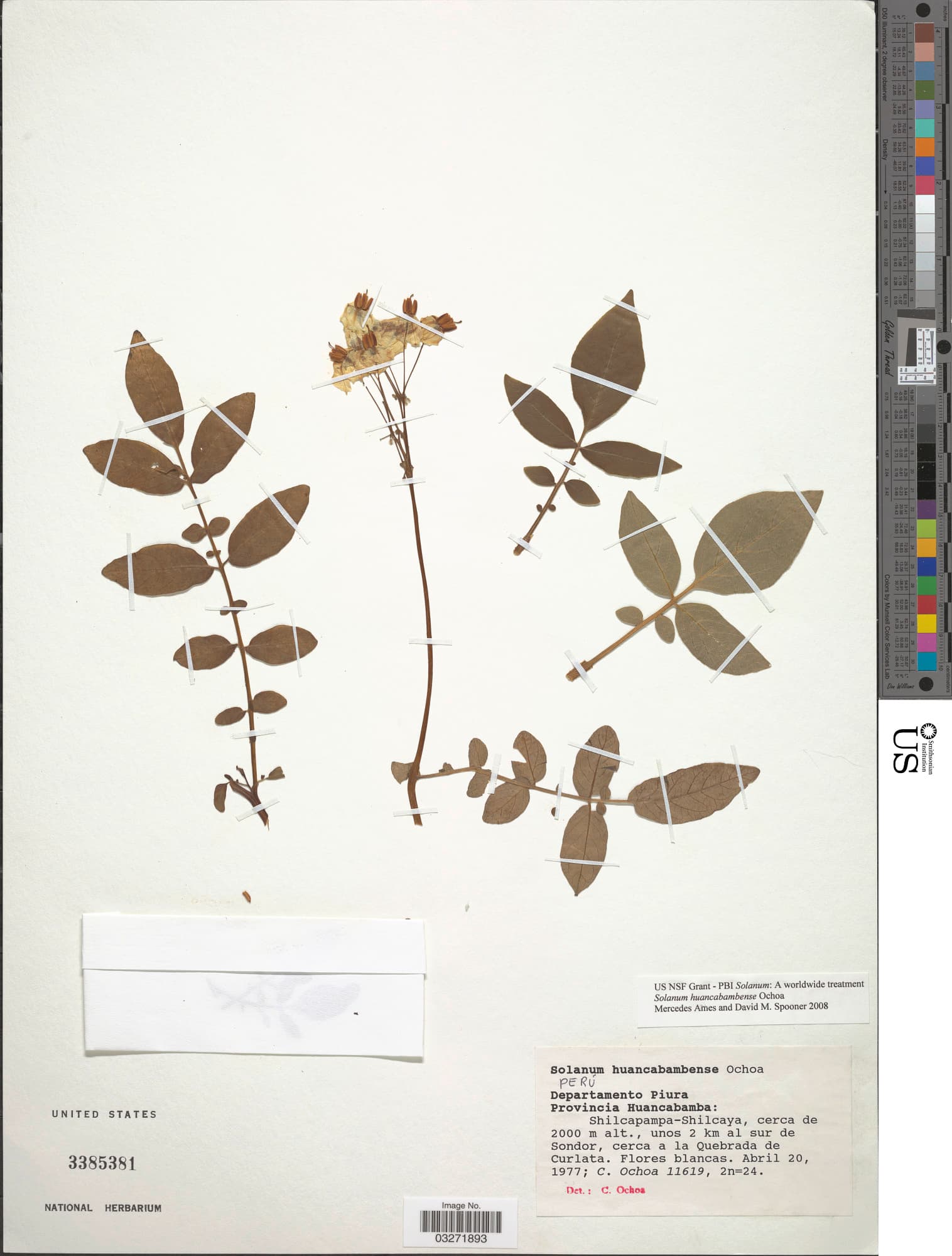
A shrub or small tree characterized by its lance-shaped leaves, as seen in the herbarium specimen. It produces small, often inconspicuous flowers that develop into berries.