Lycianthes radiata
NameLycianthes radiata
Scientific NameLycianthes radiata
Common NamesRadiant Bush Tomato (descriptive, not widely established)
Plant FamilySolanaceae
Natural HabitatNative to tropical and subtropical regions of Central and South America, often found in the understory or disturbed areas of forests.
Parts Usedleaf,flower,fruit
Medicinal Actionsanti-inflammatory, analgesic
Traditional UsesWhile specific traditional medicinal uses for Lycianthes radiata are not extensively documented in common ethnobotanical literature, other species within the Lycianthes genus are traditionally used for their anti-inflammatory and analgesic properties, often applied topically for pain or internally for fevers.
Active Constituentssteroidal alkaloids, flavonoids
Preparation Methodsinfusion, decoction, poultice
Contraindications & WarningsAs a member of the Solanaceae family, Lycianthes radiata may contain potent alkaloids. Due to limited specific safety data, internal use should be approached with extreme caution, and potential toxicity should be considered. Pregnant or nursing women and individuals with pre-existing conditions should avoid use.
Cultivation NotesPrefers tropical to subtropical climates with well-drained soil and partial to full sun. Can be grown from seed or cuttings in suitable environments.
Rarityuncommon
Description
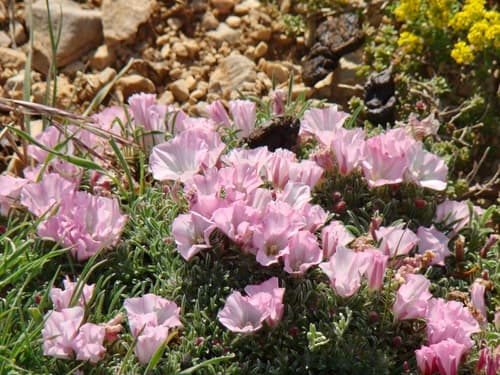
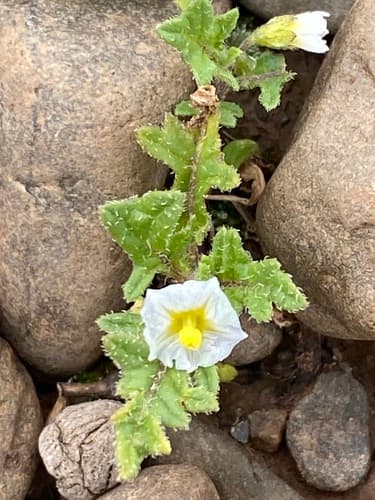
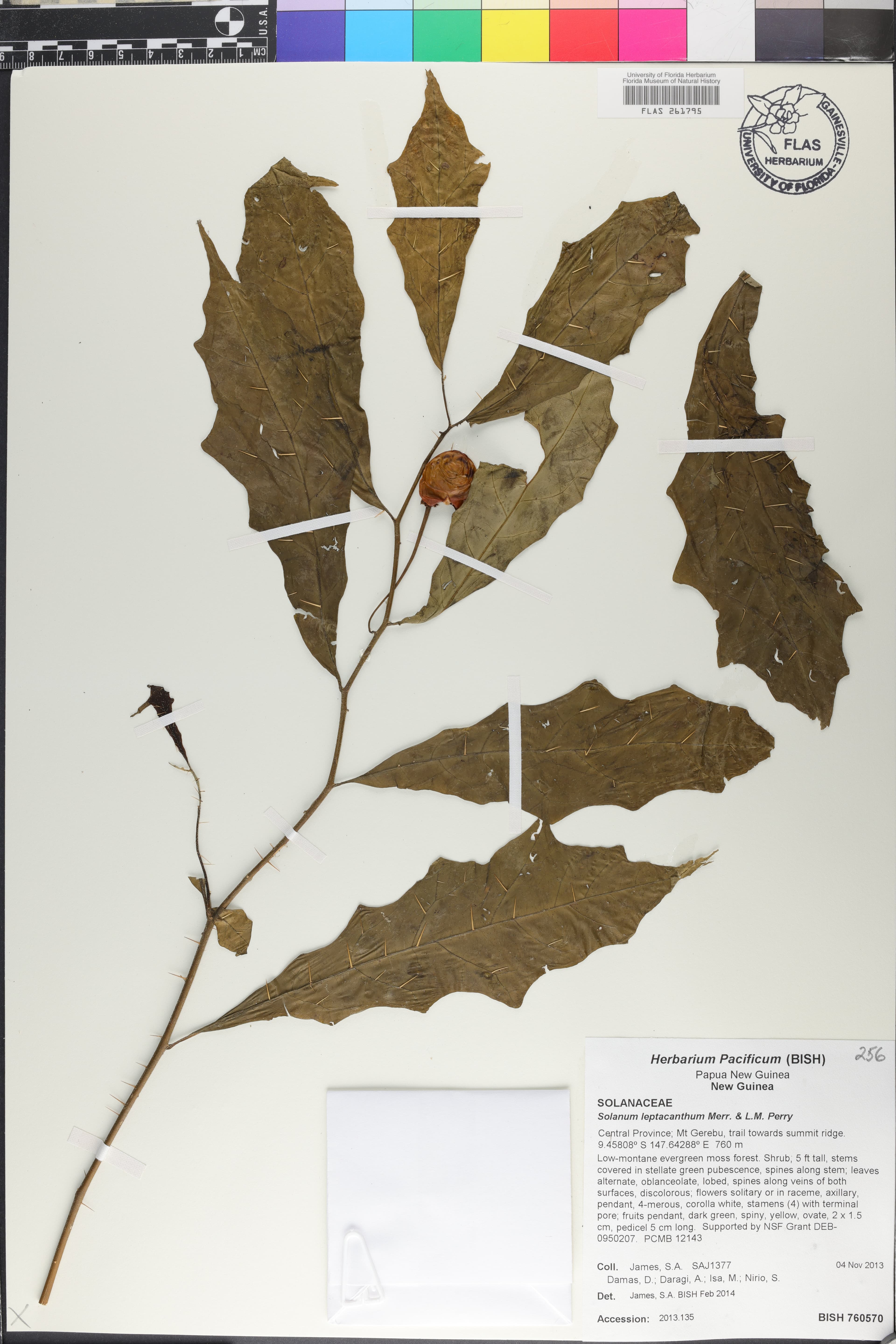
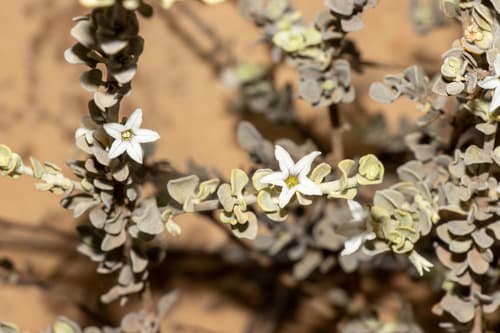
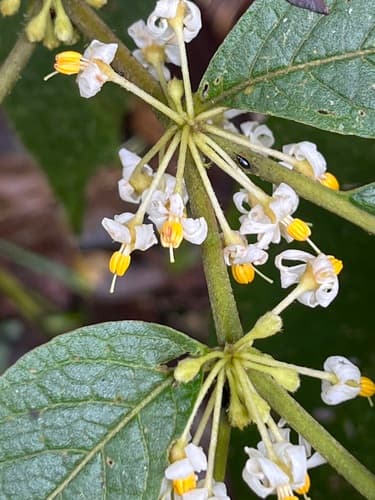
Lycianthes radiata is a shrub or small tree characterized by clusters of small, white, star-shaped flowers with prominent yellow anthers. Its leaves are simple, ovate, and typically have a somewhat textured or pubescent surface.