Cestrum irazuense
NameCestrum irazuense
Scientific NameCestrum irazuense
Plant FamilySolanaceae
Natural HabitatNative to montane and cloud forests of Central America, particularly Costa Rica, often found at higher elevations.
Parts Usedleaf,flower
Medicinal Actionsantimicrobial, anti-inflammatory
Traditional UsesSpecific safe traditional medicinal uses for Cestrum irazuense are not well-documented due to the general toxicity of the Cestrum genus. Some related species have been anecdotally used in folk medicine for topical applications or as purgatives, but such uses are associated with significant risks and are not generally recommended.
Active Constituentssteroidal saponins, alkaloids, flavonoids
Preparation Methodspoultice, salve
Contraindications & WarningsAll parts of Cestrum irazuense, especially the berries, are generally considered toxic. Ingestion can cause severe gastrointestinal upset, neurological symptoms, and can be fatal. Topical use should be approached with extreme caution due to potential skin irritation or absorption of toxic compounds. Not recommended for internal use.
Cultivation NotesPrefers well-drained soil and can tolerate full sun to partial shade. It is generally frost tender and thrives in humid, subtropical to tropical climates. Primarily cultivated as an ornamental plant.
Rarityuncommon
Description
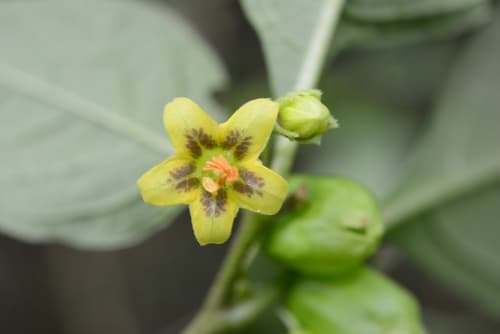
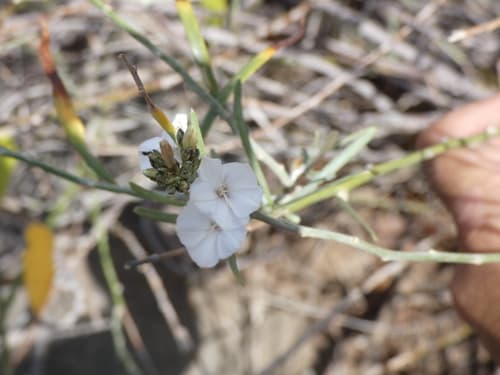
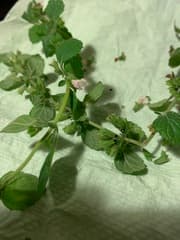
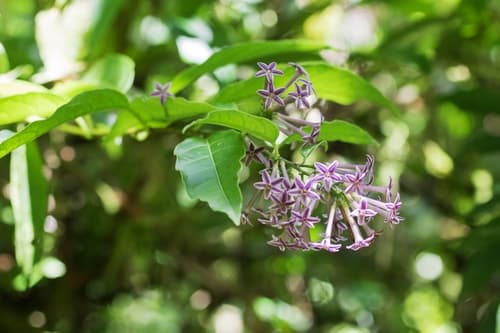
Cestrum irazuense is a shrub or small tree native to Central America, characterized by its simple, ovate green leaves. It produces clusters of tubular, star-shaped flowers, typically light purple with darker stripes, which are visually striking.