Physalis melanocystis
NamePhysalis melanocystis
Scientific NamePhysalis melanocystis
Common NamesBlack-spotted Groundcherry
Plant FamilySolanaceae
Natural HabitatNative to Mexico and Central America, typically found in disturbed areas, open woodlands, and along roadsides.
Parts Usedfruit,leaf
Medicinal Actionsanti-inflammatory, antioxidant, diuretic
Traditional UsesWhile specific traditional uses for Physalis melanocystis are not widely documented, other Physalis species have been traditionally used for their edible fruits and in folk medicine to address inflammation, fevers, and as diuretics.
Active ConstituentsWithanolides, Physalins, Flavonoids, Carotenoids
Preparation Methodsinfusion, powder
Contraindications & WarningsUnripe fruits of Physalis species can be toxic due to solanine-like alkaloids; only consume ripe fruits. Caution is advised for pregnant or nursing individuals and those with allergies to the Solanaceae family.
Cultivation NotesPrefers full sun and well-drained soil. Can be propagated from seeds and thrives in warm climates, often growing readily in disturbed or open areas.
Rarityuncommon
Description
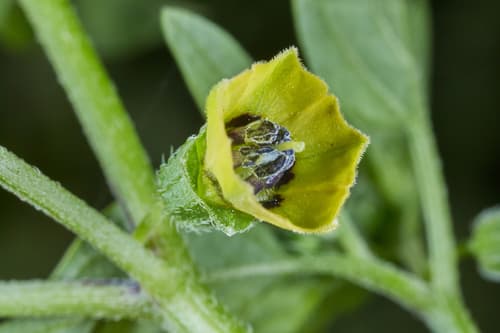
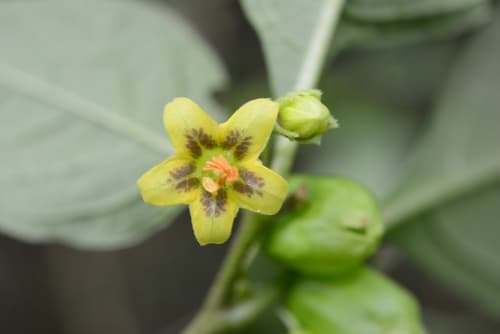
Physalis melanocystis is a herbaceous plant distinguished by its yellow, five-lobed flowers featuring prominent dark purple or brown spots at the base of each lobe. These flowers develop into characteristic lantern-like calyces that enclose the ripening fruit, a hallmark of the Physalis genus.