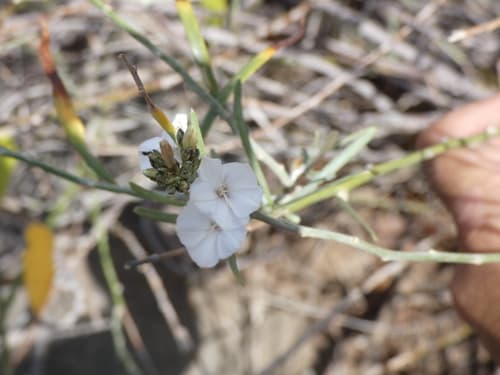
Convolvulus scoparius
NameConvolvulus scoparius
Scientific NameConvolvulus scoparius
Common NamesRatanj, Jorjao, Canary Islands Bindweed
Plant FamilyConvolvulaceae
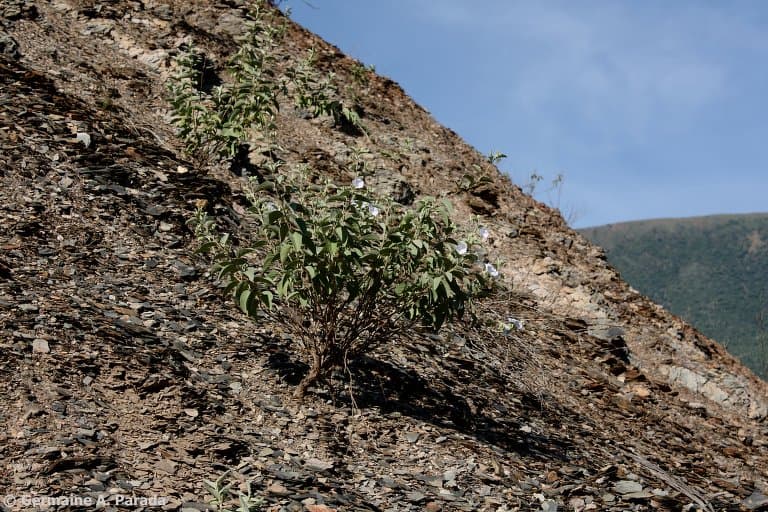
Natural HabitatEndemic to the Canary Islands, particularly on rocky slopes, dry ravines, and coastal areas, thriving in arid and semi-arid conditions from sea level up to moderate altitudes.
Parts Usedroot
Medicinal Actionspurgative, diuretic, anti-inflammatory, antioxidant
Traditional UsesTraditionally, the root of Convolvulus scoparius has been used as a potent purgative and laxative, primarily to treat constipation and as a detoxifying agent. It was also employed for its diuretic properties and in some folk medicine for inflammatory conditions.
Active Constituentsresin glycosides, flavonoids, tannins
Preparation Methodsdecoction, powder
Contraindications & WarningsDue to its strong purgative action, it should be used with extreme caution. Contraindicated in pregnancy, lactation, children, and individuals with intestinal obstruction, inflammatory bowel disease, or dehydration. Excessive use can lead to severe dehydration, electrolyte imbalance, and abdominal cramps.
Cultivation NotesThis drought-tolerant plant prefers full sun and well-drained, rocky or sandy soils. It is adapted to arid conditions and requires minimal watering once established. Propagation is typically by seed or cuttings.
Rarityuncommon
Description
Convolvulus scoparius is a woody shrub endemic to the Canary Islands, characterized by its slender, often leafless stems and small, white to pale pink, funnel-shaped flowers. It typically grows in arid and semi-arid environments, forming a low-lying or sprawling bush.