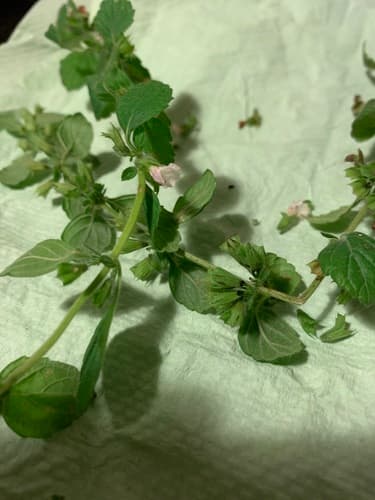
Lemon Balm
NameLemon Balm
Scientific NameMelissa officinalis
Common NamesLemon Balm, Balm, Common Balm, Balm Mint
Plant FamilyLamiaceae
Natural HabitatNative to south-central Europe, the Mediterranean Basin, Iran, and Central Asia. It thrives in temperate climates, often found in woodlands, forest margins, clearings, and cultivated gardens.
Parts Usedleaf,flower
Medicinal Actionsnervine, sedative, antimicrobial, antioxidant, carminative, anti-inflammatory
Traditional UsesTraditionally used to alleviate anxiety, insomnia, indigestion, and cold sores. It has been employed as a mild sedative, to improve mood, and to soothe digestive upset like bloating and gas.
Active Constituentsrosmarinic acid, citral, citronellal, geraniol, linalool, eugenol
Preparation Methodsinfusion, tincture, essential oil, salve
Contraindications & WarningsGenerally considered safe, but may interact with thyroid medications due to potential thyroid-stimulating hormone (TSH) inhibition. Caution advised for individuals with glaucoma. May cause drowsiness, so avoid driving or operating heavy machinery after consumption.
Cultivation NotesEasy to grow from seed or cuttings in full sun to partial shade. Prefers well-drained, moist soil. Can be invasive, so consider container planting or regular pruning. Harvest leaves before flowering for best flavor and medicinal potency.
Raritycommon
Description
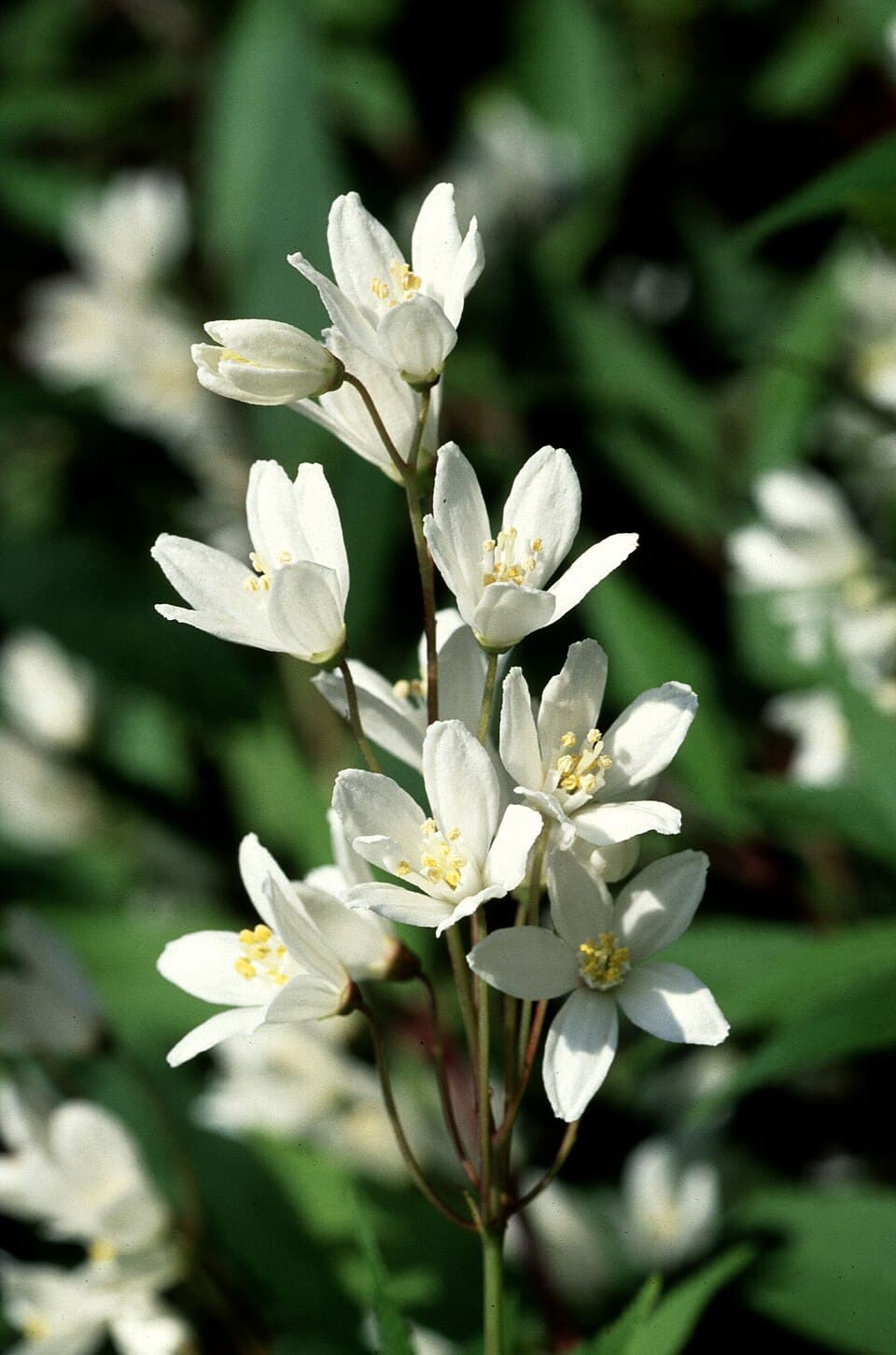
A perennial herbaceous plant in the mint family, Lamiaceae, growing up to 70-150 cm tall. It has square stems, ovate to heart-shaped leaves with a crinkled texture and scalloped margins, and small, pale white to pinkish-purple flowers. The leaves emit a distinct lemon scent when crushed.